
The Effects of Psychological Stress on Physical Health

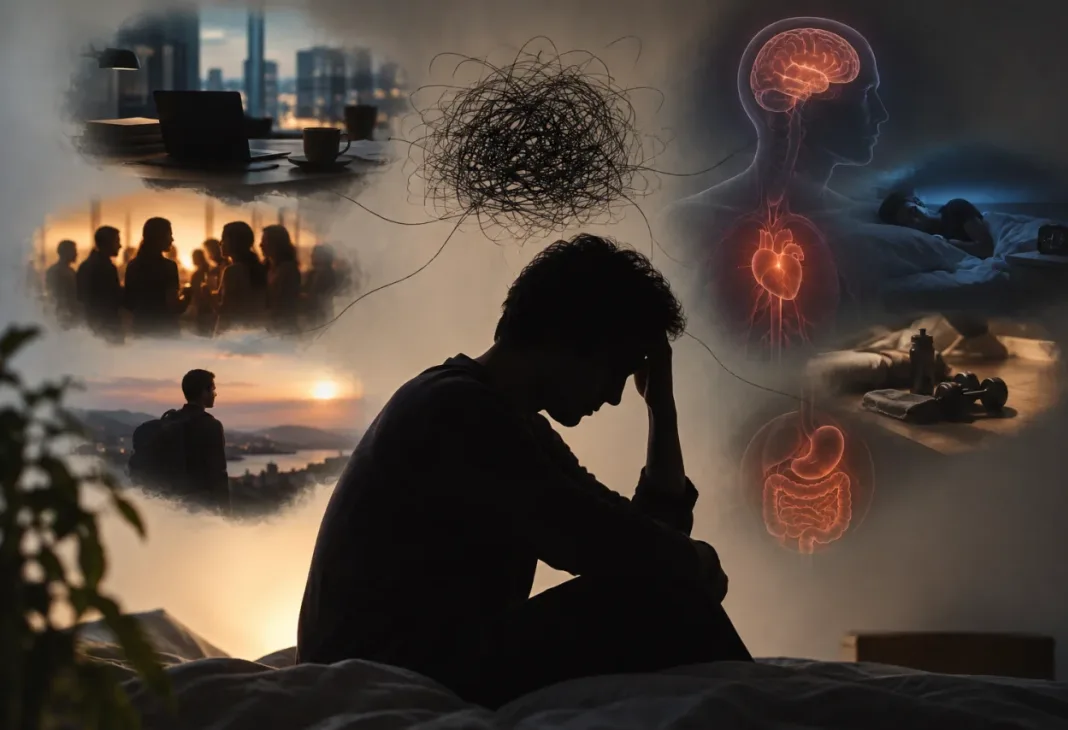
Most of us try to cope with stress in our daily lives. The source of stress and the subjective definition of stress can differ from individual to individual; people can experience stress in different ways, in different forms, and for different reasons. Also, stress is not always harmful or bad; it sometimes helps the body respond to challenges. If we look at the definition of stress, it is: "your body's natural physical and mental reaction to a demand, challenge, or perceived threat."
How Stress Works
When a person faces a stressful situation, the brain activates the "fight or flight" response. The body releases hormones such as adrenaline and cortisol. These hormones give the body more energy, make the heart beat faster, increase blood pressure, and help the person stay alert and react to danger. There is also a type of stress, like acute stress, chronic stress, etc. Stress does not affect only one thing about the human body; it can affect physical, mental, and social aspects.
About Stress
Stress is a phenomenon that has existed since the dawn of humanity. This phenomenon has not always been viewed simply as stress; sometimes it has been approached from a philosophical perspective, like Sisyphus. The stress we experience in our daily lives is often related to our health because stress can pose risks to both our mental and physical well-being. Some of these risks include cardiovascular diseases, anxiety disorders, Alzheimer’s disease, and certain autoimmune diseases. (Grant S. Shields and George M. Slavich, 2017)
Types of Stressors
Acute Stressors: Are stressful events that last for a short time, usually less than one week. Chronic Stressors: Are stressful experiences that continue for a long time, sometimes months or years. (Viola Vaccarino, J. Douglas Bremner, 2024)
Body and the Stress
When people face the same stressors, their bodies may react in different ways. Their physical responses may also differ from how they experience and feel the stress. The body’s reaction to stressors, such as heart rate and changes in hormone levels, helps us to face danger or injury when it matches the level of danger, and the body returns to normal soon after the stressors and situation end. When these reactions last too long or are too strong, they can negatively influence our body and may affect health over time. Very strong experiences can put undue pressure on the body. Worrying before the stressors can make the body react before the stressful event happens. Thinking about the stressful event repeatedly can make it difficult for the body to return to a normal state. Also, people may experience stress when they face the same problem repeatedly. (Janice K. Kiecolt-Glaser, Megan E. Renna, M. Rosie Shrout, Annelise A. Madison, 2020)
Stress and Cardiovascular Health
Psychological stress is connected to an increased risk of cardiovascular diseases. Thus, the stressful situation and subjective experience of stress can affect the heart and blood vessels; stress can change blood pressure, blood flow, and the immune system. Stressors and the person’s reaction to stressors can influence them physically, and those reactions may increase the risk of heart disease when stress happens repeatedly or lasts for a long time. (Viola Vaccarino, J. Douglas Bremner, 2024)
Stress and the Immune System
Stress can have an effect on the immune system. Stress can change the activity and distribution of immune cells in different parts of the body, including the organs and blood. There are two important systems involved in the connection between stress and immunity: the HPA axis and the sympathetic nervous system. When a person experiences stressors, these systems activate the body’s stress response and release hormones and chemical messengers that can affect immune cells. Acute stress may help the body defend itself against infections. However, chronic stress can affect immune function and weaken the body's defenses. Long-term stressors can affect human cortisol levels through the HPA axis and may suppress immune responses. The effects of stressors can change and vary between individuals because their immune cells may respond differently at the genetic level. (Alotiby, 2024)
Conclusion
In conclusion, stress is a normal and everyday response to challenging situations, but it can affect physical and mental health over a long period. Stressors change cardiovascular function and immune activity. However, the relationship between stress and disease is complex. Learning about how to cope with stressors and psychological well-being might be important and part of overall health.
Kaynakça
- Alotiby, A. (2024). Immunology of Stress: A Review Article. journal of clinical medicine .
- Grant S. Shields and George M. Slavich. (2017). Lifetime Stress Exposure and Health: A Review of Contemporary Assessment Methods and Biological Mechanisms. Soc Personal Psychol Compass.
- Janice K. Kiecolt-Glaser, Megan E. Renna, , M. Rosie Shrout, Annelise A. Madison. (2020). Stress Reactivity: What Pushes Us Higher, Faster, and Longer – and Why It Matters. Curr Dir Psychol Sci.
- Viola Vaccarino, J. Douglas Bremner. (2024). Stress and cardiovascular disease: an update. Nat Rev Cardiol.