


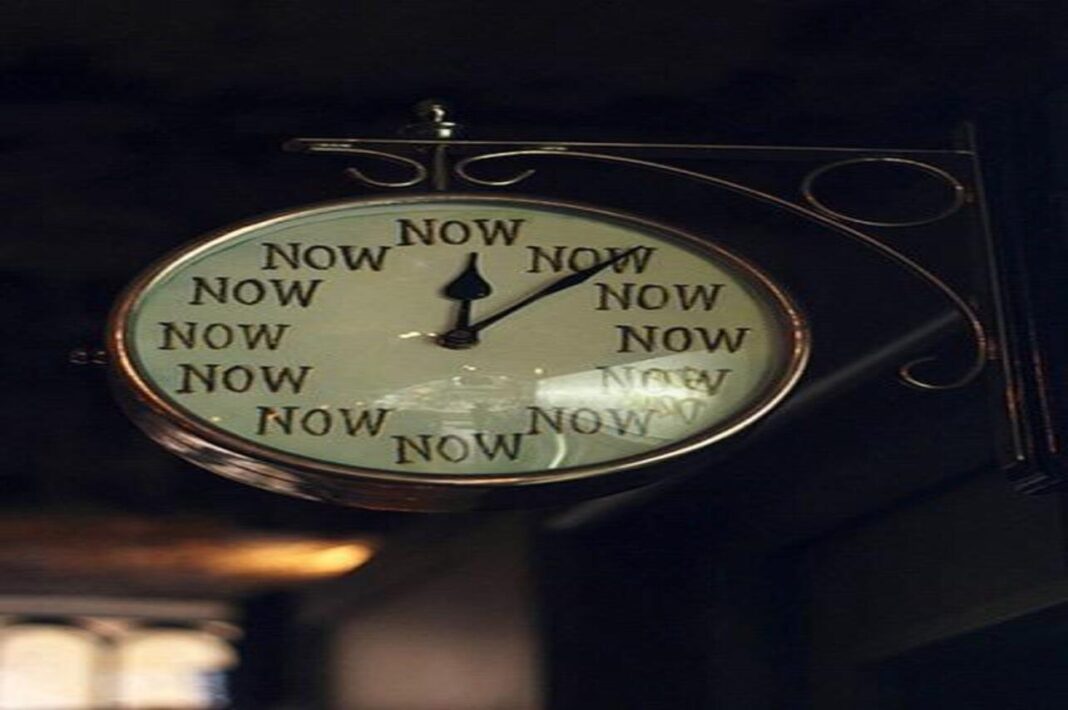

The Spiritual Mechanism of Forgetting. Forgetting… One of the most mysterious, most misunderstood, yet perhaps most merciful functions of the human mind. We often perceive forgetting as a deficiency, a weakness, or even a betrayal. We reproach ourselves, asking, “How could I forget?” Yet, forgetting is one of the mind’s fundamental ways of surviving.
The memory is not a flawless recording device, as we might assume. On the contrary, it is a living system that selects, filters, and rewrites. The brain does not store every experience as it is; instead, it strengthens certain memories while slowly fading others based on emotional intensity, frequency of repetition, and the meaning assigned to them. This process is not merely biological, but profoundly psychological. For a human being cannot live while remembering everything.
Neurobiological Foundations And The Forgetting Curve
When we examine the neurobiological foundations of forgetting, we see the hippocampus and the prefrontal cortex playing pivotal roles. As new memories form, some older ones weaken. This is known as the “forgetting curve.” However, this curve is not driven by time alone; emotions, traumas, and defense mechanisms deeply influence this process. Memories carrying heavy emotional loads either remain vividly etched or, conversely, are pushed into the subconscious, becoming inaccessible.
The Psychodynamic Perspective And Repression
This is where the psychodynamic perspective of forgetting enters the stage. The mechanism of repression, as defined by Freud, operates by pushing thoughts and feelings that a person finds difficult to cope with into the unconscious. This is not a conscious act of forgetting; rather, it is the mind’s reflex for self-preservation. Being unable to recall a traumatic experience is often not a malfunction, but a defense. Recalling that memory in its raw form could threaten the person’s psychological integrity.
Forgetting As A Part Of Grieving
Yet, forgetting is not always about repression. Sometimes, it is a conscious distancing. Especially in experiences like separation, loss, or disappointment, a person creates mental distance to dull the sting of remembering. At this point, forgetting becomes a part of the grieving process. One first denies, then feels anger, then sorrow, and finally nears acceptance. And the quietest companion of acceptance is usually forgetting.
The Act Of Re-authoring The Past
From another perspective, forgetting is not just about erasing; it is about re-authoring. Rather than preserving memories intact, the mind reconstructs them every time they are recalled. Thus, the past is not a static reality, but a constantly shifting narrative. A memory we recall today may differ from how we remembered it yesterday, because our current emotions reshape the shadows of the past.
At this juncture, we must ask: Are we truly forgetting, or are we simply learning to remember differently? Clinical observations show that many people continue to carry things they believe they have “forgotten” in different forms. A scent, a song, or a street corner can suddenly surface a memory thought to be long gone. This demonstrates that forgetting is not total annihilation; it is making access more difficult.
Healthy Versus Pathological Forgetting
On the other hand, there is a crucial distinction between healthy forgetting and pathological forgetting. Forgetting names, dates, or minor details in daily life is normal. However, traumatic amnesia, dissociative processes, or forgetting due to neurological diseases require clinical evaluation. In other words, not every act of forgetting is healing; some can be signs of an unresolved psychological knot.
The Necessity Of Mental Regulation
Is forgetting truly necessary? Yes. Because the human mind is not an infinite warehouse. If we carried every experience with the same intensity, we would be emotionally paralyzed. Forgetting regulates mental energy. By clearing out unnecessary or dysfunctional information, it makes room for what truly matters. In this regard, forgetting is a part of learning. Knowing what to let go of is as valuable as knowing what to hold onto.
Forgetting As A Form Of Liberation
But perhaps the most important point is this: Forgetting is not the same as giving up. Forgetting someone does not mean they never existed in your life. Forgetting a pain does not mean it was never real. Forgetting means no longer allowing that experience to govern who you are today. In essence, forgetting is a form of liberation.
We often hear people say, “I don’t want to forget, because then it will be as if I never loved.” Yet the truth is quite the opposite. Being able to forget something is the result of having fully processed and contacted it. Emotions that are processed, rather than repressed, lighten over time. And that which lightens eventually leaves its place to a silent acceptance.
Forgetting is, in a way, lightening the burden of the heart. It is realizing that we don’t have to carry everything. It is being able to bid farewell to the past instead of dragging it behind us. Perhaps we only need to know this: Forgetting is not the deletion of memories; it is turning down the volume of difficult times. A human being grows by remembering some things and heals by forgetting others. Therefore, forgetting is not a void; it is a balance. It is a delicate scale the mind sets for itself. Neither holding on too tight nor letting go completely… But just in the right measure. For a human being exists as much by what they forget as by what they remember.