
The Biological Basis of Change; Neuroplasticity

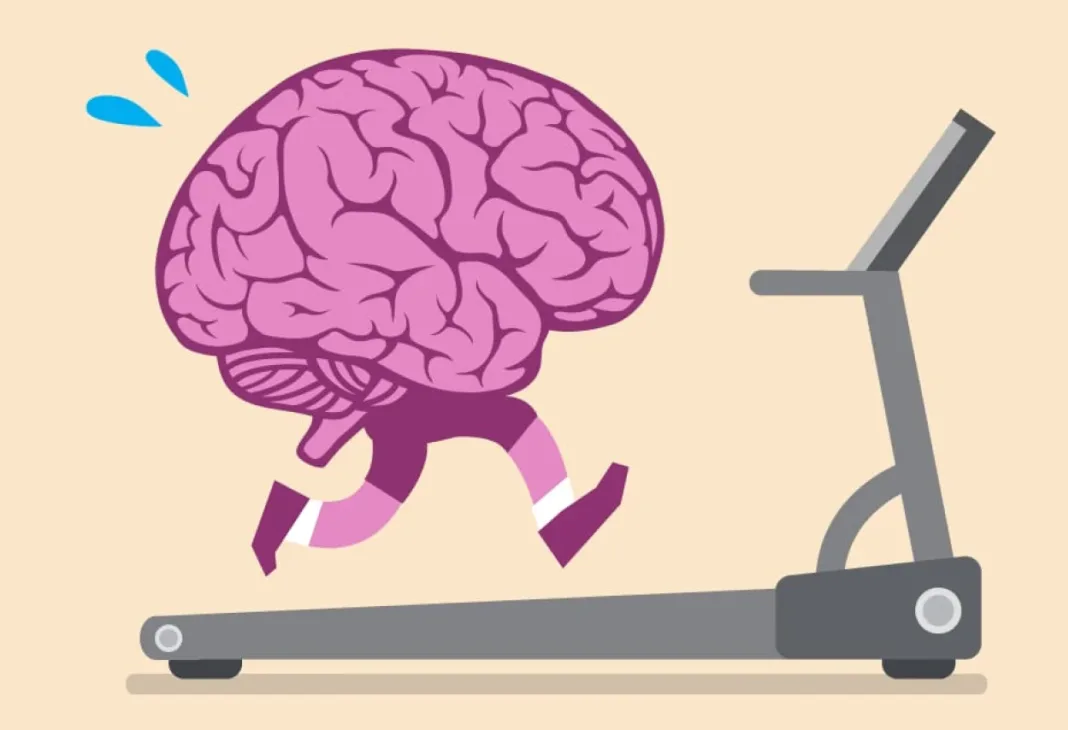
Sometimes, we find ourselves repeating the same cycles, choosing the same people, and maintaining the same relationships. No matter how much we want to change, our nervous system may sometimes resist it. While our conscious mind says, “I will be different,” our nervous system says, “What is familiar is safe.” As a result of this conflict, the desired change can become somewhat challenging. The brain may prefer familiar pain over happiness. What is perceived in the mind inevitably manifests in the body, just as what is experienced in the body inevitably finds expression in the mind.
The mind favors repetition because it requires less energy. For this reason, it tends to maintain old belief patterns. Our beliefs are not merely mental ideas. From a neuroscientific perspective, beliefs can be understood as patterns stabilized within synaptic connections, sensations stored in body memory, emotional charges within the limbic system, and stories rationalized by the prefrontal cortex.
Change is perceived by the brain as “the unknown,” and, from a biological perspective, uncertainty may be interpreted as an “unsafe state.” Remaining in the same cycle is, in fact, a strategy employed by the nervous system, because we are biologically inclined to perceive uncertainty as a threat. So, how can change become possible? Let us explore the answer together through the concept of neuroplasticity.
The Power of Neuroplasticity
One of the most important characteristics that distinguishes the human brain from our other organs is its capacity to reorganize itself. Our emotional experiences and learning processes can lead to changes in the neural connections within the brain. Neuroplasticity is the brain’s ability to adapt and undergo structural changes at the synaptic level throughout life. The brain can continue to change, reorganize itself, and adapt throughout our lifetime. It is constantly being shaped by our experiences. Synaptic connections remain capable of being modified throughout life.
At the heart of neuroplasticity lies the process through which connections between neurons strengthen, weaken, and form new pathways. Neuroplasticity plays an active role in many areas of our lives. We can observe its role not only in learning but also in recovery following physical brain injury or psychological trauma. Change becomes possible through neuroplasticity.
How Can We Preserve and Strengthen Neuroplasticity?
Supporting neuroplasticity can help increase our emotional resilience and make it easier to cope with stress. Neuroplasticity supports the mind in remaining flexible and adaptable, enabling us to develop solutions more effectively when challenges arise. To support our brain’s capacity for flexibility, we can:
- Get quality sleep.
- Pay attention to nutrition. Follow a balanced diet rich in vitamins, omega-3 fatty acids, and antioxidants.
- Acquire new skills and hobbies. Learn a new language, try a new style of dance, play a musical instrument, or engage in brain-training games and puzzles.
When we learn new things, new neural pathways can develop in the brain. Every new experience has the potential to establish new connections between neurons and modify the way the brain functions.
- Keep curiosity alive.
- Engage in creative and artistic activities.
- Exercise regularly. Activities may include walking, swimming, yoga, strength training, dancing, and cycling.
- Practice meditation and mindfulness exercises. These may include paying attention to bodily sensations, experimenting with new behaviors, repeatedly directing attention, practicing breathing exercises, and engaging in mental imagery.
Questions We Can Ask Ourselves About Our Belief Patterns
By exploring the following questions, we can bring underlying patterns of neural connections into awareness and begin a journey toward understanding our belief systems. This process is important for change. These questions may help us explore the roots of our beliefs and make sense of past experiences.
- What belief might be causing me the most pain?
- What emotion might lie at the root of this belief?
- Who or what does this emotion remind me of? Where does it feel familiar from?
If you would like to explore your beliefs more deeply and work through them, or if you find yourself struggling during this process, you may consider exploring these issues with the support of a therapeutic process.
Conclusion
Neuroplasticity reminds us that the brain is a dynamic structure. Supporting neuroplasticity at the level of the nervous system is one of the most important steps we can take when seeking to change a recurring pattern in our lives.
If you notice yourself saying, “I want things to change, but wanting is not enough,” or “I want to change, but nothing changes,” you can remind yourself to take the physiological processes involved in change into account.
Healing and change are not merely matters of thought or intention; they are physiological processes as well.
Kaynakça
- Deng, W., Aimone, J. B., & Gage, F. H. (2010). New neurons and new memories: How does adult hippocampal neurogenesis affect learning and memory? Nature Reviews Neuroscience, 11(5), 339–350. https://doi.org/10.1038/nrn2822
- Fuchs, E., et al. (2014). Adult neuroplasticity: More than 40 years of research. Neural Plasticity, 1–10. https://doi.org/10.1155/2014/541870