
We Are Not Witnesses to the Traces We Leave Behind

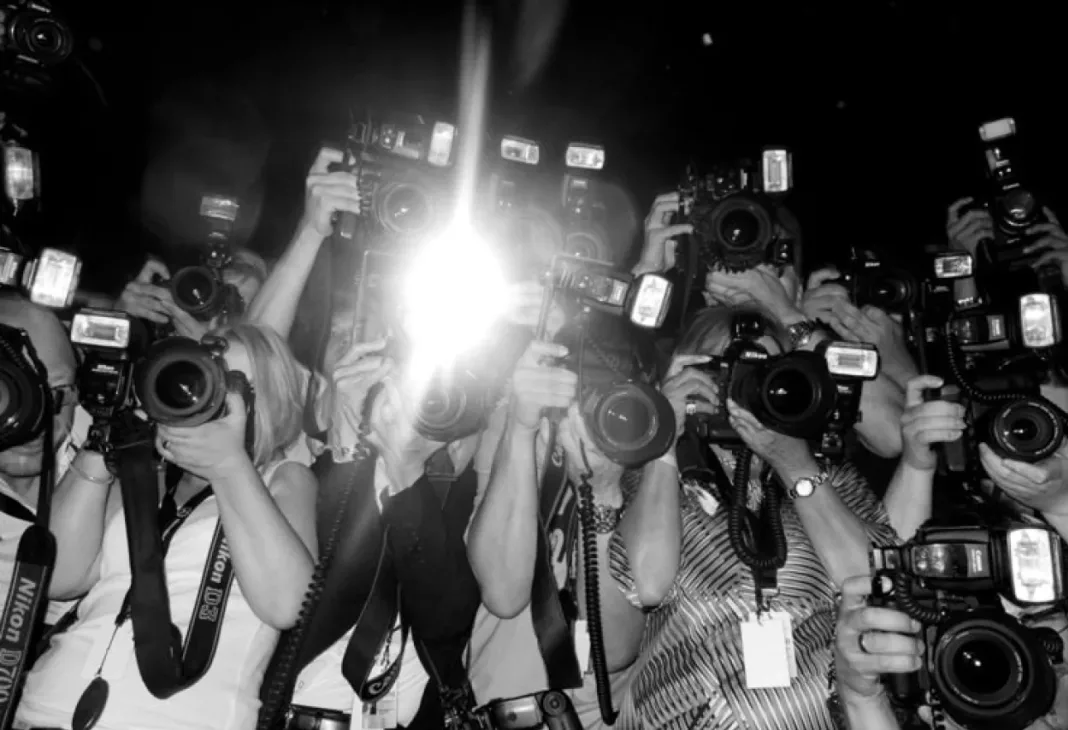
We all have moments when we feel less important than we really are. We look at who remembers us, who checks in on us, and whether our presence has made any difference in someone’s life. The attention we receive from others can shape how we see ourselves (Leary, 1999). But what if we sometimes feel insignificant not because we mean nothing to others, but because we cannot see the place we hold in their lives?
I began thinking about this through my own experience. Some time ago, I created a digital collage inspired by Sylvia Plath’s life, her marriage, and her tragic end. Much later, I came across the image in someone else’s online post. Curious, I used a reverse image search to trace it and discovered it had appeared in places across other continents, places I had never visited. While I was going about my own life, an image I had created was making its way through the lives of people I had never met.
I had created the collage around a particular story and made it clear in my original post that it was inspired by Sylvia Plath. Yet some of the posts I found used the image to express ideas about romantic relationships, separation, and longing. In the examples I came across, there was no mention of Plath or her life story. An image that held a specific meaning for me had become a way for others to express different feelings. The image itself had not changed, but the meaning people found in it had.
I share my work for free, so what interested me most was not where the image was being used, but how something I had created could find a place in the lives of people I did not know. Some people had even told me that the image affected them deeply and that this was why they shared it. For the past two years, my artwork has been receiving more than 1.5 million views a month on the platform where I share it. That number gives me an idea of how many people my work reaches, but it cannot tell me what each encounter means to them. I can see that the image has traveled and that it has resonated with some people, but I cannot know the personal stories behind those reactions.
This experience made me think about the difference between the effect we have on others and what we actually know about that effect. When we create something, we give it our own intentions and attach it to our own story. But people who encounter it may find different meanings in it, shaped by their own experiences. They do not even have to tell us what those meanings are. The part of our influence that we can see, then, may not reveal the full place we occupy in someone else’s life.
We are not always good at judging how other people see us, either. A study by Boothby and colleagues (2018) found that people often underestimate how much their conversation partners like them after meeting for the first time. While this research does not directly explain the impact of art on its audience, it does show how easily our perceptions of our place in other people’s minds can be mistaken. We may treat our own feelings about how much we matter as if they were an accurate measure of how others experience us. Yet we rarely have direct access to what someone else thinks or feels. We can only make sense of the limited signs available to us.
This can happen in close relationships, too. When someone does not reach out, overlooks our efforts, or remains silent, we may start to feel that we do not matter to them. Of course, silence does not always hide affection or a deeper meaning. But not knowing how someone feels about us is not the same as having a reason to doubt our own worth. Another person’s response is not a final judgment on who we are.
The point is not to convince ourselves that we must have left a profound mark on everyone we meet. Not everything we do will change someone’s life, and not every word we say will be remembered. The real issue is how readily we make firm judgments about ourselves when we cannot fully see the extent of our own influence. We may never know exactly where we stand in someone else’s life, but we do not need to measure that place to establish our worth.
Our worth is not measured by how well others remember us. Sometimes, we may never know what our influence has meant to someone else, but that does not mean it meant nothing.
When I think about my own work, I realize that I can become part of the worlds of people I have never met in ways I could never have predicted. A collage that began with a particular story can become a way for someone else to express their feelings. I may never know exactly what it means to each person who encounters it, but I know that my work has reached beyond the limits I could have imagined. When I think about it, I suppose I could even be considered a little famous in my own way. And perhaps you could be, too…
Kaynakça
- Leary, M. R. (1999). Making sense of self-esteem. Current Directions in Psychological Science, 8(1), 32–35. https://doi.org/10.1111/1467-8721.00008
- Boothby, E. J., Cooney, G., Sandstrom, G. M., & Clark, M. S. (2018). The liking gap in conversations: Do people like us more than we think? Psychological Science, 29(11), 1742–1756. https://doi.org/10.1177/0956797618783714