
Why Do We Confide in AI Late at Night? Artificial Intelligence and Our Search for Emotional Refuge

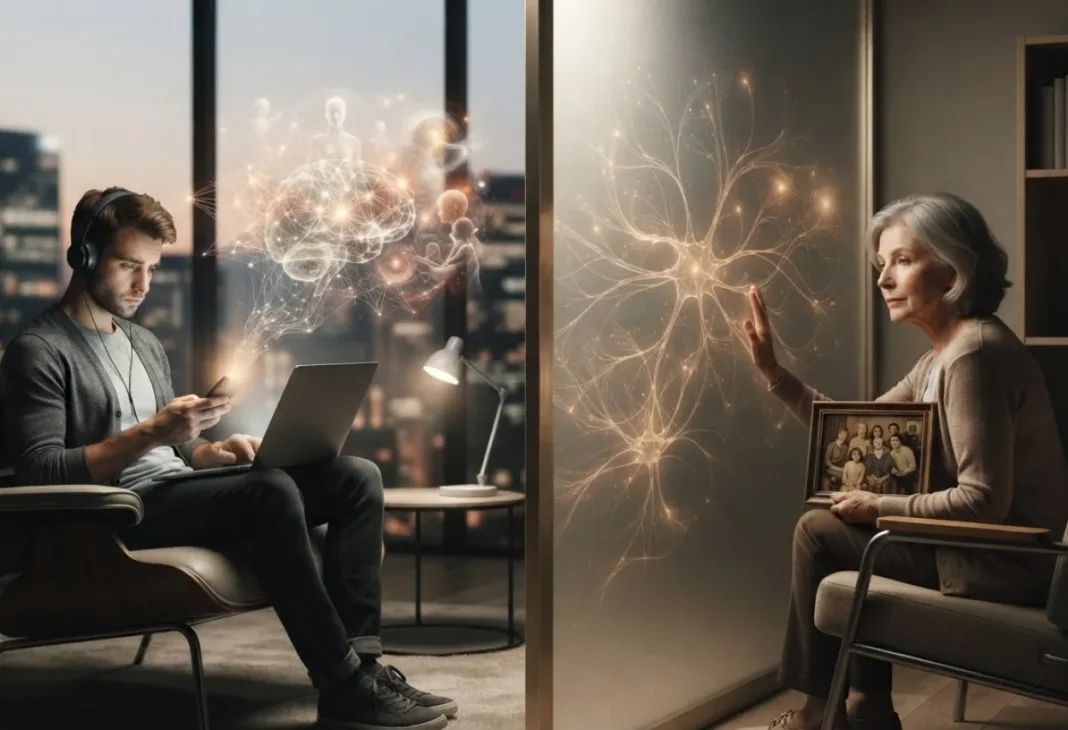
It’s around 2:00 a.m.… You’re caught in one of those moments when there’s no one around to share the hopelessness, weariness, and loneliness weighing on you. Your hand reaches for your phone, and you pour out everything you’re feeling to an AI app—whichever one is easiest to reach for. Why, though? Is it the feeling of being heard without judgment that pulls you in, or simply not wanting to bother anyone—or perhaps the fact that AI is always available?
In the pace of modern life, where everyone is buried in their own daily rush, knocking on someone else’s door often turns into an invisible scale in our minds. Thoughts like “They’re probably tired right now,” “They have problems of their own,” “I shouldn’t repeat the same things and bore them,” or “They might not want to listen” weigh on us before we’ve even spoken a word, tightening into a lump in our throat. Right there, AI steps in as a counterpart with no time limits—one that always listens, never gets sleepy, is never busy, never grows tired, and asks for no emotional cost in return. Talking to it means we don’t have to weigh the other person’s mood or carefully pick our words around them.
Truthfully, we’re sometimes afraid of the answers we might get when the person across from us is human. Perhaps that’s the very reason AI becomes our first choice: it listens without judging, belittling, or brushing us aside, keeping a supportive stance throughout. In humanistic psychology, Carl Rogers’ concept of unconditional positive regard describes how healing it can be to be heard without criticism or blame, just as we are. Because AI offers this attitude tirelessly while keeping a comfortable distance, it often looks like a safe haven. Most of the time, we aren’t even looking for a solution—we just want to let everything out and have someone simply listen without reacting. When that’s all we expect from the other side, turning to AI feels far less exhausting than asking it of a human being.
Alongside that, the way AI takes our emotions—tangled like a knotted ball of yarn—and untangles, orders, and reflects them back to us creates a relief similar to our psychological need for emotional mirroring. Seeing our messy feelings settle into a meaningful frame, even on a screen, strengthens the illusion that we aren’t alone. Yet what truly transforms us in human relationships isn’t just being understood; it’s daring to be vulnerable. That slight unease and anxiety we feel when opening up to another person actually opens the door to real connection—because trust cannot be built without taking a risk.
Thinking about all this can make confiding our struggles in AI seem far more tempting, yet its biggest gap compared to human relationships is emotion. The feeling of acceptance is strong, but there is no real empathy or living emotional bond behind it. Even the most carefully worded comfort from a highly advanced algorithm cannot give you the quiet depth of a friend who notices the tremor in your voice, or the genuine emotion of someone looking into your eyes and truly hearing you. Yes, we aren’t always looking for a way out; still, a hand resting on our shoulder, a warm embrace, or a simple, heartfelt “I’m right here with you” will do far more for all of us than long hours spent talking to AI.
While this seamless space of communication offered by technology gives us room to breathe, we risk pulling a little further into our shells whenever it starts taking the place of real closeness. Because the human soul doesn’t heal through flawless answers alone; it heals through imperfect yet deeply heartfelt touches—through bonds that may sometimes fall short, yet feel real. In fact, as we draw closer to the final days of our lives and look back over the years, what we want to see are precisely those genuine moments of connection and the lives we shared. Because that is what gives human life meaning and makes it worth living.
Even more so, when these quiet, safe conversations with AI come to an end and the phone screen goes dark again, the silence in the room—and the feelings eating away at us inside—are left alone with us once more. Even if we feel a brief sense of relief or lightness in that moment, the fact that the weight we shared wasn’t met inside another person’s heart may not quite fill that tiny hollow space within. Perhaps turning to AI so easily isn’t really about its perfection at all, but about how daunting and exhausting knocking on a real person’s door has come to feel for us. Because no matter how tired a person gets, deep down inside, they still long not merely to be understood, but to feel someone’s presence and have someone standing beside them.
So we need to ask ourselves this question: Are we turning to AI because it genuinely listens to us so well, or because we no longer find warm embraces in other people and have started looking for them there instead?