
Social Events and Anxiety in Turkey

Social events are one of the key factors that directly affect individuals’ mental health. In dynamic countries like Turkey, events such as economic crises, political tensions, natural disasters, social protests, and pandemics can leave deep psychological marks on individuals. These events can particularly contribute to the widespread occurrence of anxiety disorders. This article examines the effects of social events in Turkey on individuals’ anxiety levels and explores coping mechanisms for these challenges.
The Impact of Social Events on Anxiety
Anxiety is an intense state of worry that individuals experience in response to threatening or uncertain situations. Events such as economic uncertainty, political instability, and natural disasters in Turkey can create a constant state of worry among individuals. Such events are especially distressing for those with low tolerance for uncertainty, leading to heightened anxiety levels. Major crises and tragedies can have long-term psychological effects on individuals, triggering anxiety and contributing to its spread within communities experiencing collective trauma.
1. Economic Crises and Anxiety
Economic fluctuations are one of the primary factors threatening individuals’ financial security in Turkey. Rising unemployment rates, increasing inflation, and volatile exchange rates intensify feelings of uncertainty about the future. Financial concerns negatively impact individuals’ mental well-being, leading to elevated anxiety levels.
2. Political and Social Turmoil
Turkey has historically been a dynamic country in terms of political changes and social movements. Elections, protests, and political tensions can increase individuals’ sense of insecurity. The widespread dissemination of news through media and the influence of social media expose individuals to constant negative events. This can create an effect similar to trauma, leading to a rise in anxiety disorders.
3. Natural Disasters and Anxiety
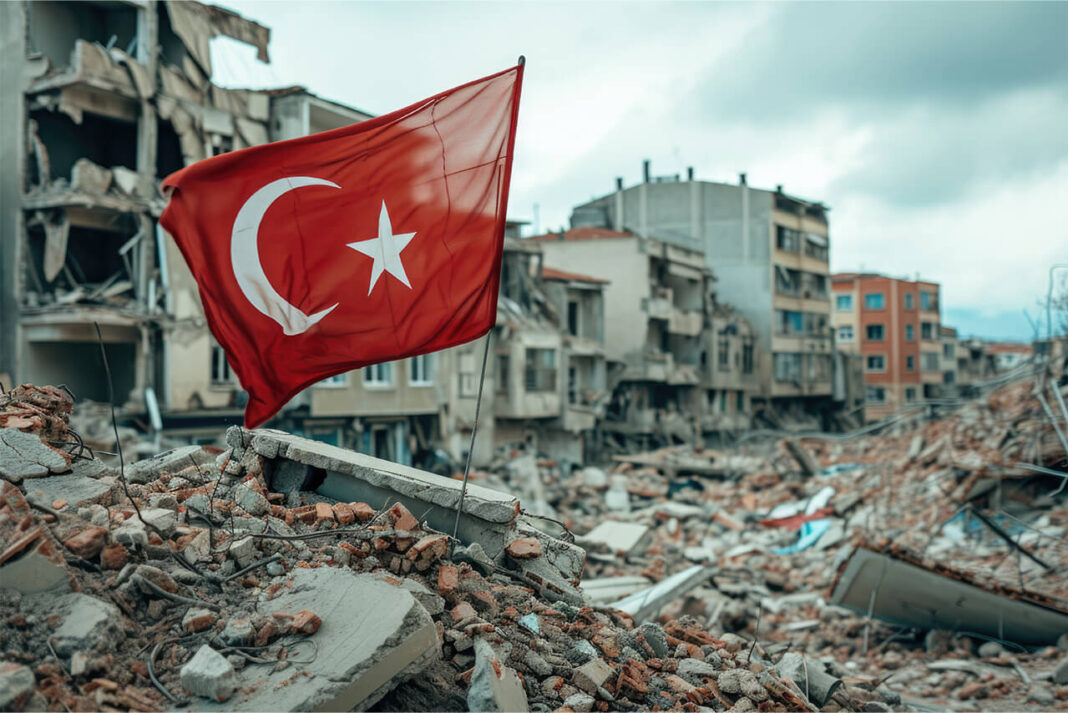
As Turkey is located in a seismic zone, natural disasters pose a significant source of stress. Major catastrophes such as the 1999 Gölcük Earthquake and the 2023 Kahramanmaraş Earthquakes have heightened anxiety levels both among directly affected individuals and in society at large. In these periods, anxiety disorders such as generalized anxiety disorder, panic attacks, and post-traumatic stress disorder (PTSD) are frequently observed.
4. Pandemic and Societal Anxiety
The COVID-19 pandemic has been a significant source of uncertainty and anxiety in Turkey, as it has been worldwide. Social isolation, fear of illness, and economic losses have led to widespread anxiety among individuals. Increased access to psychological support services during the pandemic has helped people cope with their anxieties.

Ways to Cope with Anxiety Related to Social Events
To manage anxiety caused by social events, both individual and societal-level strategies can be developed.
1. Conscious Media Consumption
Constant exposure to negative news can heighten anxiety levels. Individuals can reduce anxiety by obtaining information from reliable sources and limiting the time spent on social media.
2. Seeking Psychological Support
When anxiety symptoms become chronic, seeking professional help is crucial. Although access to psychological counseling services has increased in Turkey, there are still societal prejudices about therapy. However, receiving psychological support is a critical step in strengthening mental well-being.
3. Physical Activity and Meditation
Regular exercise can reduce stress hormones and alleviate anxiety symptoms. Additionally, meditation, breathing exercises, and mindfulness techniques can help individuals manage their anxiety.
4. Strengthening Social Support Mechanisms
Family, friends, and social groups play a crucial role in helping individuals cope with anxiety. Having a supportive environment can reduce anxiety levels. A society that fosters solidarity can alleviate the psychological burden individuals experience.
5. Accepting Uncertainty and Developing Flexibility
Social events often involve uncertainty, which can increase anxiety levels. While it is impossible to eliminate uncertainty completely, developing skills to cope with it can help reduce anxiety. In this context, psychological flexibility is an important factor in adapting to changes.
Conclusion
Social events in Turkey can significantly impact individuals’ mental health. Factors such as economic crises, political instability, natural disasters, and global pandemics have contributed to the widespread occurrence of anxiety disorders. However, individuals can manage their anxiety through methods such as conscious media consumption, seeking psychological support, engaging in physical activity, strengthening social support mechanisms, and developing flexibility. Building a more resilient mental health approach to social events can enhance both individual and societal well-being.