


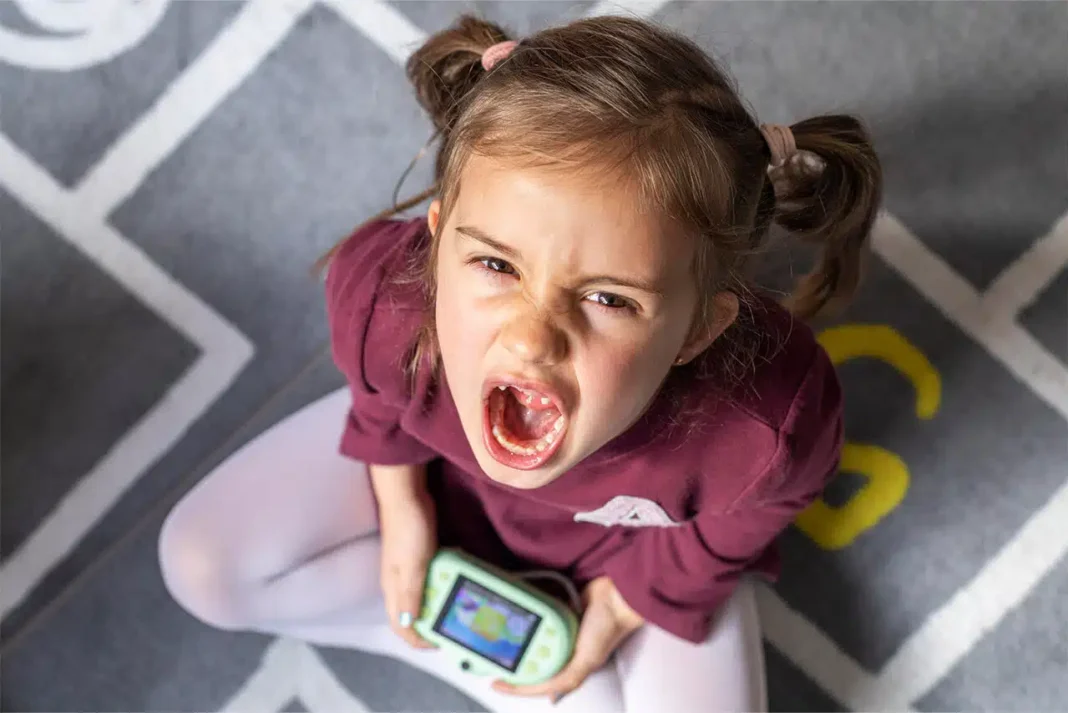

Anger is a natural emotional response to being blocked or to the threat of one’s personal integrity being violated. It is a reaction to unmet desires, undesirable outcomes, and unfulfilled expectations. Like other emotions, anger is universal, and when expressed healthily, it can be constructive; it can even play a role in repairing interpersonal communication. This energy, coming from deep within our bodies, shows us who we are, our boundaries, and what we like or dislike.
According to Kısaç (1997), anger is a fundamental emotional response that arises when an individual perceives their desires, needs, or plans as being blocked or experiences situations as unfair, unjust, or threatening. It serves to defend oneself and alert others. Uncontrolled anger can have serious and destructive effects on both the individual and society. However, understanding and sharing anger can help it give way to love, understanding, and joy.
Anger in Children
Children often express their anger intensely and vividly because they have not yet fully developed the ability to regulate their emotions. They may cry, shout, kick, or throw toys. These behaviors are often a form of stress release and a way for the child to express themselves.
Even a minor disappointment, a denied request, or a dropped cookie can trigger a strong outburst of anger. These outbursts indicate that the child is under stress and facing a challenging situation. The child may feel powerless, blocked, or suppressed; accumulated tension in their nervous system often surfaces toward the closest and most trusted person, usually the mother.
Anger outbursts are also influenced by a child’s nutrition, sleep, activity, and environmental factors. Consuming too much sugar or additives, prolonged screen time, or insufficient physical activity can make anger more easily triggered. Therefore, a child’s anger is not only an emotional response but also a combination of physiological, environmental, and social factors.
Understanding a child’s anger is essential for recognizing their needs and boundaries. Teaching them to express anger healthily, supporting them in putting their feelings into words, and helping them calm down benefits both their emotional development and interpersonal relationships.
Main Reasons for Anger in Children
-
Communication Difficulties: Children who cannot express their feelings in words may become angry.
-
Attention-Seeking: Some children use anger outbursts to gain attention.
-
Testing Boundaries: Children test rules to learn what is acceptable.
-
Hunger and Fatigue: Physical needs not met can increase anger.
-
Stress and Anxiety: Major changes or stressful events can trigger anger.
-
Developmental Challenges: ADHD, autism, or sensory processing issues can amplify anger.
-
Learned Behavior and Modeling: Children learn anger responses from their environment.
Strategies for Managing Anger in Children
Children’s anger can be intense and sudden; the key is not to suppress it but to understand, accept, and guide it effectively.
1. Accompany and Accept the Anger
When responding to a child’s anger, get down to their level and maintain eye contact. This conveys, “I am here to listen to you,” showing that you notice and value their feelings.
2. Label the Emotion
Describe the emotion you see to help the child recognize it: “Your eyebrows are furrowed; you seem angry.”
3. Put the Emotion into Words
Connect the anger to its cause: “You’re angry because you wanted to go to the amusement park.” If the cause is unclear, gently ask: “What made you so upset?” This helps the child become aware of and understand their feelings.
4. Measure the Intensity
Offer a way for the child to gauge their anger. For example, a 0–10 scale: “How angry are you right now?” Simple body expressions, like spreading their arms, can also help make the emotion tangible.
5. Empathize and Acknowledge
Show that you understand the source and intensity of their anger, put yourself in their place, and verbalize the situation: “We can’t go to the amusement park because of the roadwork. I know this makes you upset and angry.” This helps the child feel understood.
6. Support Expression
Encourage the child to express their feelings or safely release their energy. This helps them manage anger and calm down.
7. Offer Alternative Solutions
If the source of anger cannot be changed, come up with alternative options together. For example, if going to the amusement park is impossible, brainstorm 5–10 fun activities and let the child choose one. This enhances problem-solving skills.
8. Acknowledge Effort and Success
Observe and appreciate the child after an outburst: “Your anger was strong, but we managed to find a solution. How do you feel now?” This boosts emotional awareness and self-confidence.
9. Provide Love and Compassion
A warm hug, kind gaze, quality time together, and laughter reduce stress and strengthen attachment. Accepting a child’s anger supports the connections between emotional and control centers in the brain, helping them manage their emotions healthily in the future.
Remember, love is the best medicine. The greatest gift we can give children is our warm, genuine, and safe presence. Giving them space, accepting their feelings, and being inclusive and compassionate is invaluable for their growth.
References
-
Soykan, Ç. (2003). Öfke ve öfke yönetimi. Kriz Dergisi, 11(2).
-
Şahin, H. (2006). Öfke denetimi eğitiminin çocuklarda gözlenen saldırgan davranışlar üzerindeki etkisi. Turkish Psychological Counseling and Guidance Journal, 3(26), 47-61.