
Social Media Age Restrictions: What Could They Mean for Children’s Psychological Well-being?

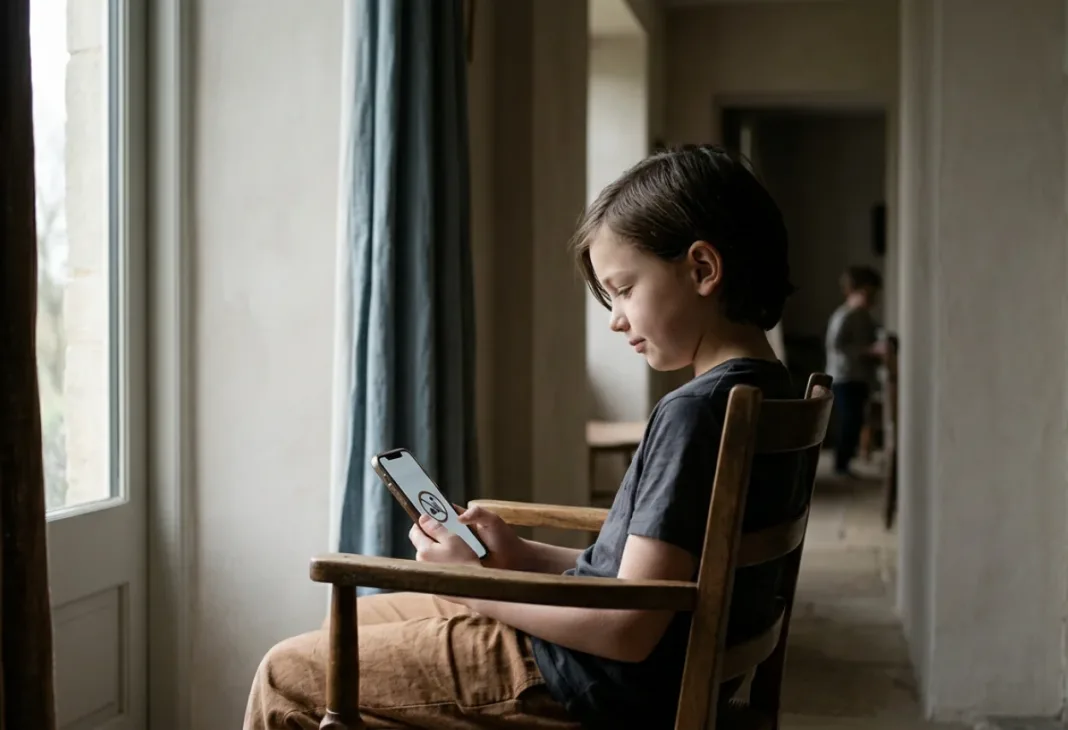
Children’s use of social media is no longer an issue governed solely by rules set by parents. Official measures to regulate access to social media platforms through age restrictions are reshaping children’s relationship with the digital world. These measures aim to protect children from online risks and harmful content, provide age-appropriate digital experiences, and reduce the potential negative effects of platform features designed to encourage excessive use. But how might restricting access to social media affect children’s psychological development and social relationships? Answering this question requires an understanding of both digital risks and the role social media plays in children’s lives.
During childhood and adolescence, forming friendships, developing a sense of belonging, and building an understanding of oneself are important developmental processes. When social media becomes one of the spaces in which these experiences take place, age-based restrictions may affect not only children’s online activities but also aspects of their social lives. On the one hand, restrictions may reduce online comparisons and negative interactions. On the other, they may limit communication with friends or access to sources of social support. The direction and extent of these effects may depend on a child’s age, social environment, and patterns of social media use.
To understand the psychological effects of social media, it is important to consider the experiences children encounter on these platforms. Social comparison, cyberbullying, and algorithmically recommended content are among the factors relevant to children’s emotional well-being. Comparing themselves with others or being exposed to harmful behavior online may be associated with children’s self-perception and social relationships. Algorithms that prioritize content based on users’ interests can also influence what children encounter online. For example, repeatedly seeing similar types of content may shape their online experiences and the way they compare themselves with others. However, these experiences do not affect every child in the same way. A child’s stage of development, individual characteristics, and social environment all play a role.
Research suggests that the relationship between social media use and the mental health of children and adolescents cannot be explained by a single factor. The nature of the content, the quality of online interactions, and a child’s wider social circumstances may be just as important as the amount of time spent online. The same platform may help one child stay connected with friends while exposing another to negative experiences. Social media can also provide opportunities for self-expression, connecting with people who share similar interests, and finding social support. It would therefore be misleading to treat social media use alone as the cause of psychological difficulties. A 2026 policy statement from the American Academy of Pediatrics similarly emphasizes the role of children’s individual characteristics, social environments, and platform design in shaping their digital experiences.
Another important consideration is how children adapt when access to social media changes. Some may find new opportunities to engage in offline activities, while others may need support in maintaining friendships and finding alternative spaces for self-expression. This highlights the importance of understanding children’s experiences rather than assuming that the same restriction will have the same effect on everyone. Listening to children’s perspectives and monitoring changes in their well-being can help inform future decisions.
In conclusion, age restrictions on social media may offer certain benefits in protecting children from online risks. However, there is not yet sufficient scientific evidence to conclude that these measures will definitively improve children’s psychological well-being. Although restrictions may reduce risks such as social comparison, cyberbullying, and exposure to harmful content, their potential effects on children’s social connections and sources of support must also be considered. The success of age restrictions should therefore be assessed not simply by whether access is limited, but by their actual effects on children’s psychological well-being. Further comprehensive, long-term research is needed to establish these effects and better understand how different groups of children may be affected.
Kaynakça
- References
- American Academy of Pediatrics, Council on Communications and Media. (2026). Digital ecosystems, children, and adolescents: Policy statement. *Pediatrics, 157*(2), e2025075320. https://doi.org/10.1542/peds.2025-075320
- Department for Science, Innovation and Technology. (2026, January 20). *Understanding the impact of smartphones and social media on children and young people.* GOV.UK. https://www.gov.uk/government/publications/understand-the-impact-of-smartphones-and-social-media-on-children-and-young-people eSafety Commissioner. (2026). *Attitudes of children and parents to social media age restrictions ahead of implementation.* Australian Government. https://www.esafety.gov.au/research/social-media-age-restrictions-evaluation/attitudes-of-children-and-parents-to-social-media-age-restrictions-ahead-of-implementation