


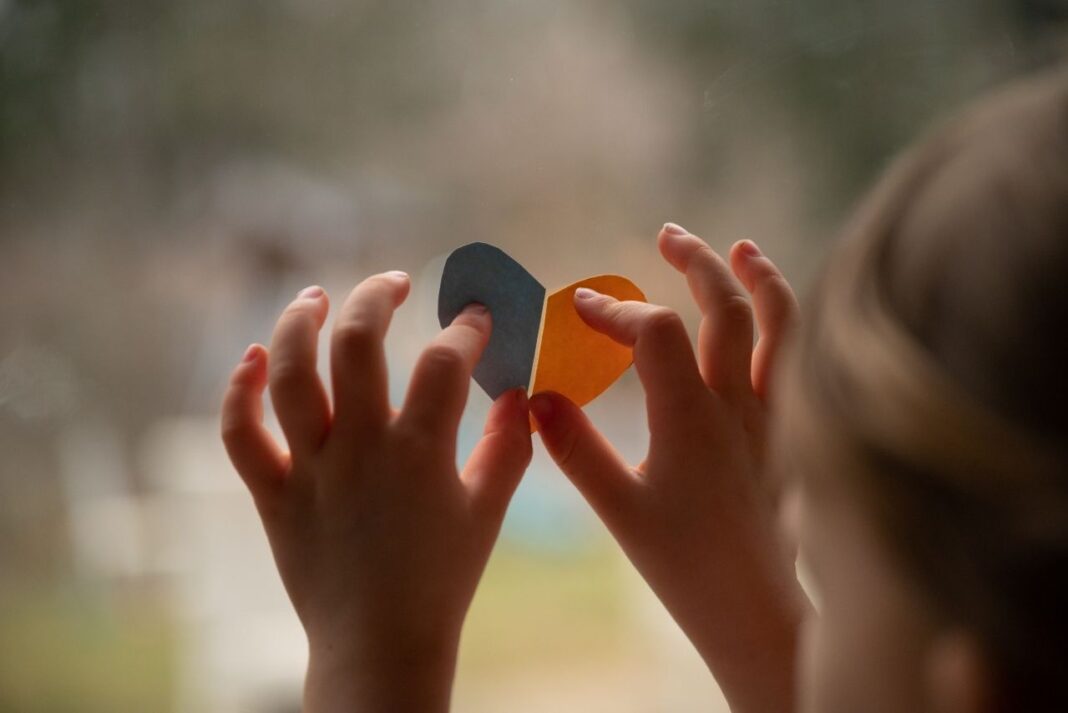

The Power of Attachment
When children come into the world, what they need most is a secure bond. Attachment is the powerful emotional bridge we build with significant people in our lives (Bowlby, 1969). For infants, survival depends on having their basic needs met and the presence of a protective, caring adult (Görünmez, 2006).
A child’s development is shaped by the love, consistency, and support found within the family environment. Sadly, neglect and abuse can stand in the way of a child reaching their full potential (Özmert, 2006). This is why a stable and secure home is irreplaceable.
Play and Attachment: The Language Beyond Words
Play is a child’s natural language of self-expression. For over a century, play therapy has provided a space where children can explore emotions they cannot yet put into words (Kiye & Yalçın, 2021). Play is not merely entertainment; it is a mirror of a child’s inner world.
Every child needs play. As Landreth (2012) says, play is the silent language through which children express their true feelings. Repetitive play themes—such as constantly taking on the role of a “rescuer”—can be a sign of attachment anxiety.
Growing in Security: Small Hands, Deep Bonds
Growing up in safety is every child’s right. Bonds woven with love allow children to open themselves to the world with confidence. The support offered by families and society plays a critical role in emotional and social development.
Approaches like play therapy help strengthen these bonds and support healing. As a community, our duty is to create safe spaces where every child can form loving attachments. Strong bonds build healthy individuals and resilient societies. The deep connections formed by small hands give us reason to look to the future with hope.