
Silent Threat in the Classroom: Peer Bullying and Psychological Traces

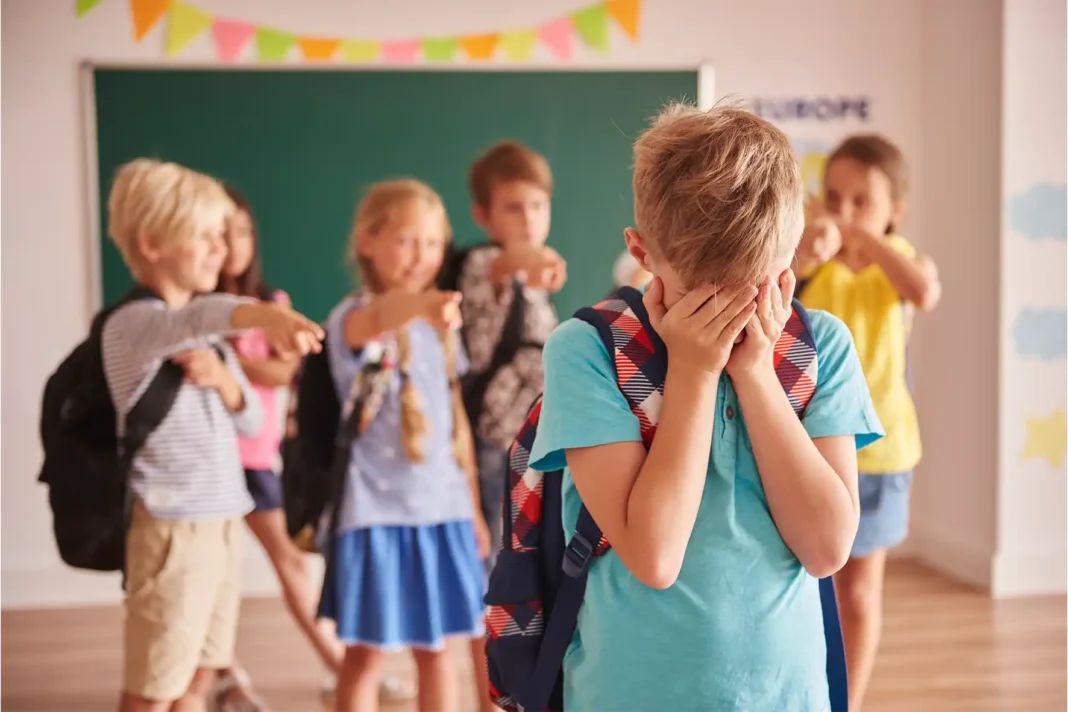
Bullying has become one of the most common and detrimental issues in today’s school environments. This phenomenon can leave deep marks on children’s self-perception, academic achievement, and social relationships, posing not only short-term but also long-term mental health risks. Recent research indicates that peer bullying in Turkey has reached alarming levels. For instance, according to UNICEF (2024), approximately 19% of students have experienced bullying at school at least a few times, up from 13% in 2015. Similarly, a study conducted by FutureBright Group (2025) between December 2024 and January 2025 found that 23% of children had been bullied, 50% had witnessed such behaviors, and 95% of bullying incidents occurred within the school environment. Additionally, another TÜBİTAK-supported study (Milliyet, 2023) reported bullying prevalence rates of 36% in primary school, 57% in middle school, and 61% in high school. These findings indicate that peer bullying is not merely an individual problem but a serious psychosocial risk factor that needs to be addressed at the societal level.
In this article, I examine the causes of classroom bullying, its short- and long-term effects on individuals, and preventive measures from a psychologist’s perspective.
Development
Causes of Bullying
Bullying is a multifaceted phenomenon influenced not only by individual characteristics but also by the social environment. One of the main causes is peer pressure. Children often deviate from their own values to gain acceptance and integrate into a friend group, which can lead them to engage in bullying. Within the group, harming others may be perceived as a way to appear “strong” or to avoid exclusion.
Another cause is the “hurt-to-hurt” cycle. Research indicates that individuals who experience bullying are twice as likely to bully others in the future (Bethart, 2017). In other words, the feeling of victimization often transforms into aggression, and the individual seeks protection through bullying.
Finally, the desire to appear strong is also an important factor. Particularly during adolescence, identity formation and fragile self-esteem can drive children to assert dominance by belittling others. Although such behaviors may provide a short-term illusion of power, they ultimately disrupt social adjustment in the long term.
Consequences of Bullying
The effects of bullying are not limited to the victim; it impacts the entire school ecosystem. The perception of physical and psychological threat is one of the most common experiences among bullied children, leading them to feel constantly on edge, with heightened anxiety and distress.
Common effects of bullying include depression, sleep disturbances, loneliness, and academic underachievement (Kepenekci & Çınkır, 2006). When a child avoids school or struggles to focus in class, their educational experience is significantly disrupted.
Moreover, the long-term consequences of bullying can be severe. Individuals who were bullied in childhood are more likely to experience low self-esteem, social isolation, and suicidal thoughts in adulthood. Meltzer et al. found that adults who were bullied as children were twice as likely to attempt suicide compared to controls (Arslan et al., 2012). This demonstrates that bullying is not a temporary issue but a lifelong mental health risk.
Conclusion
Classroom bullying is a serious issue that negatively affects both victims and perpetrators and must be addressed at the societal level. In the short term, it leads to academic failure, social exclusion, and anxiety disorders; in the long term, it may cause low self-esteem, loneliness, depression, and increased suicide risk. Therefore, bullying should be seen not just as an individual problem but as a matter affecting the school climate and public health.
Recommendations
Based on my observations as a psychologist, the following measures can help prevent bullying in school settings:
-
Awareness Programs: Regular training for students and parents about what constitutes bullying and its potential consequences.
-
Teachers’ Role: Teachers should closely monitor classroom social dynamics and intervene when early signs of bullying appear. Open communication channels allow students to express themselves safely.
-
Psychological Support Systems: School counseling services should be actively utilized, providing emotional support for victims and addressing underlying needs of perpetrators, such as anger management or self-esteem issues.
-
Peer Support Programs: Mentorship and peer support programs can foster empathy and prevent bullying from being normalized within the community.
-
Positive School Climate: Schools should not focus solely on academic achievement but also create a safe, inclusive, and collaborative social environment.
Closing
Bullying affects not only children’s present well-being but also their future mental health. Families, teachers, and mental health professionals all have critical roles in prevention. Ensuring that children feel safe at school is essential for their academic, social, and emotional development. The most effective way to prevent bullying is to increase individual awareness while fostering a collective sense of responsibility throughout the school community.
References
Arslan, S., Hallett, V., Akkaş, E., & Altinbas Akkas, Ö. (2012). Bullying and victimization among Turkish children and adolescents: Examining prevalence and associated health symptoms. ResearchGate; Springer Verlag. https://www.researchgate.net/publication/228070827_Bullying_and_victimization_among_Turkish_children_and_adolescents_Examining_prevalence_and_associated_health_symptoms
Bethart, D. (2017, August 14). 4 Causes of bullying | ReDo Day addresses underlying issues. Pieces2Prevention. https://pieces2prevention.com/2017/08/14/part-2-4-causes-bullying/
Cumhuriyet. (2025, January 15). Children and peer bullying in Turkey: New survey results. https://www.cumhuriyet.com.tr
Kepenekci, Y. K., & Çınkır, Ş. (2006). Bullying among Turkish high school students. Child Abuse & Neglect, 30(2), 193–204. https://doi.org/10.1016/j.chiabu.2005.10.005
Milliyet. (2023, March 10). Survey on bullying rates in Turkish schools. https://www.milliyet.com.tr
UNICEF. (2024). Ending violence against children in schools: Global report 2024. United Nations Children’s Fund. https://www.unicef.org