


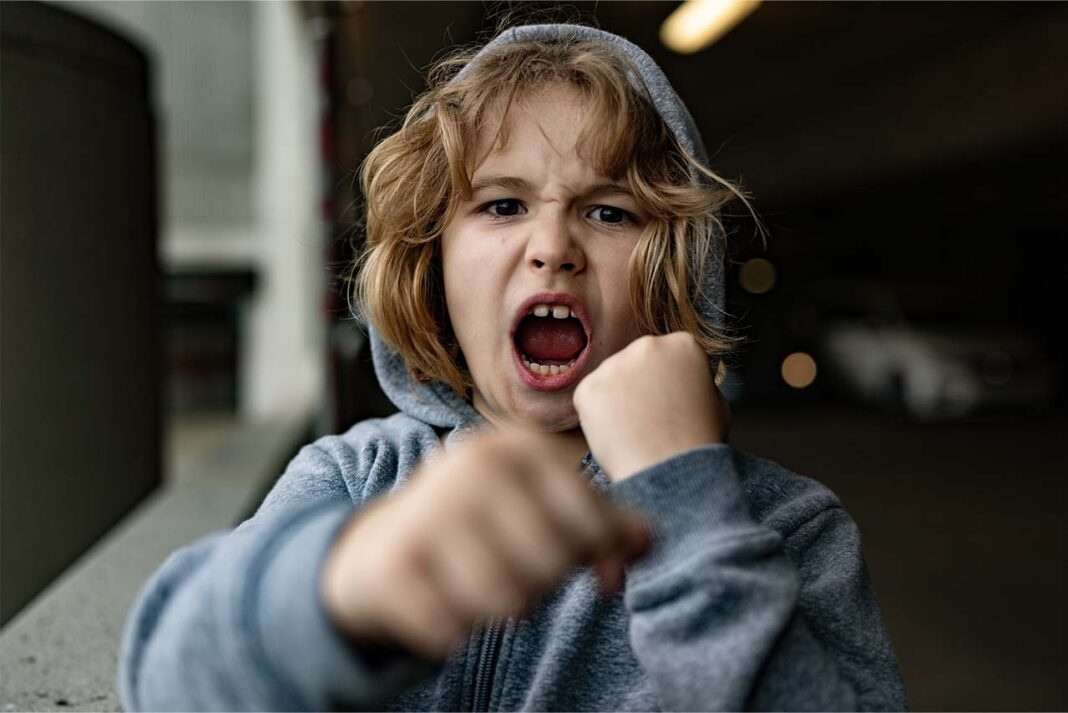

Anger is one of the most natural human emotions. Just like happiness or sadness, anger is a part of life, and when expressed appropriately, it is a healthy response. However, when children are unable to control their anger, it can cause problems both in their social relationships and in their academic life. Parents and educators play a key role in helping children recognize and manage their anger, which significantly supports their emotional and social development.
1. The Nature of Anger in Children
Especially at an early age, children often have difficulty expressing their feelings verbally. During moments of anger, they may scream, cry, hit, throw objects, or withdraw into themselves. These behaviors are usually not meant to cause intentional harm; rather, the child is looking for a way to cope with the intense emotion they are feeling.
2. Common Causes of Anger
Several factors may be behind anger-related behaviors in children:
-
Unmet needs: Simple reasons like hunger, fatigue, or being prevented from playing can trigger anger.
-
Unclear boundaries: A child who doesn’t know where the limits are may react strongly when boundaries are set.
-
Attention deficit and learning difficulties: Academic failure can lead to feelings of inadequacy, which may be masked by anger.
-
Family conflicts: Witnessing arguments may send the message that anger is a normal form of communication.
-
Traumatic experiences: Loss, neglect, or abuse can increase the frequency of anger outbursts.
3. Symptoms of Anger
Anger manifests not only in behaviors but also in the body. Signs to watch for include:
-
Flushed face, rapid breathing
-
Clenched fists, grinding teeth
-
Raised voice
-
Reduced or completely avoided eye contact
-
Withdrawal or silence after the incident
Parents and teachers can prevent an escalation of anger outbursts by recognizing these signs early.
4. Ways to Improve Anger Control
a) Recognizing and Naming the Emotion
Using reflective statements like, “You’re feeling angry right now” helps the child become aware of their emotions. Emotion cards and games that show facial expressions can be effective.
b) Breathing Exercises
Simple breathing techniques help calm the body. You can teach deep breathing through fun methods such as the “balloon inflation” game.
c) Teaching Alternative Behaviors
Instead of shouting during anger, the child can be taught safe methods like leaving the room, hitting a pillow, or drawing. The goal is not to suppress anger but to express it in a healthy way.
d) Developing Problem-Solving Skills
Teaching children to solve problems step by step reduces the frequency of anger. Questions like, “What’s the problem? What are our options? Which one will give a better result?” support this skill.
e) Being a Role Model
Children imitate adults. If parents can remain calm when angry, children are more likely to develop similar reactions.
5. Recommendations for Parents
-
Be consistent: Rules and boundaries should be clear. If something is allowed one day but forbidden the next, it creates confusion and frustration.
-
Reinforce positive behavior: Praise the child when they express their anger in a healthy way.
-
Avoid criticism: Instead of saying, “You are too angry, and that’s bad,” say, “It’s okay to feel angry, but speaking this way can be hurtful.”
-
Create a safe space: Having a place where the child can calm down makes anger control easier.
6. Anger Management in the School Environment
Teachers also have a supportive role in anger management. Providing an emotionally safe classroom environment, teaching conflict resolution skills, and using drama or group activities to develop empathy can reduce anger-related behaviors.
7. When to Seek Professional Help
Sometimes anger control problems cannot be resolved solely through parental support. Seek help from a child psychologist or psychiatrist if:
-
Anger outbursts occur several times a week
-
The child harms themselves or others during anger episodes
-
Other symptoms such as depression, anxiety, or social withdrawal are present
-
Academic performance is seriously affected
8. Conclusion
Anger is not an emotion to be eliminated but an energy to be managed. Teaching children to use this energy constructively helps them form healthy relationships, improve problem-solving skills, and maintain emotional balance throughout life. With cooperation between parents, teachers, and professionals, children’s anger management skills can be strengthened, transforming this emotion from a destructive force into a constructive source of motivation.
Practical Application Guide for Parents
This guide offers practical, everyday steps to support your child’s anger control.
-
Anger Thermometer
-
Create a chart from 1 to 10 on cardboard.
-
Ask your child to rate their anger level during a conflict.
-
If it’s 7 or above, move to a calming strategy.
-
Balloon Breathing Technique
-
Ask your child to take a deep breath through the nose and exhale slowly through the mouth as if inflating an imaginary balloon.
-
Practice this 2–3 times a day, even when there’s no anger present.
-
Emotion Journal
-
Keep a small notebook to record or draw anger moments throughout the day.
-
Together, review the event, the emotion felt, and alternative solutions.
-
Calm Corner
-
Prepare a space at home with a comfortable cushion, favorite books, and soft toys.
-
Use it as a calming place, not as a punishment.
-
Role Reversal Game
-
After a disagreement, swap roles: you become the child, they become the parent.
-
This helps the child see the situation from a different perspective.
-
Stop and Count Technique
-
Teach the child to count to 10 when they feel angry.
-
They can count with fingers or small stones for focus.
-
Positive Reinforcement Box
-
Add a star or colored stone to a box every time the child expresses anger in a healthy way.
-
Exchange these for small rewards at the end of the week.