
To Hold On or to Let Go

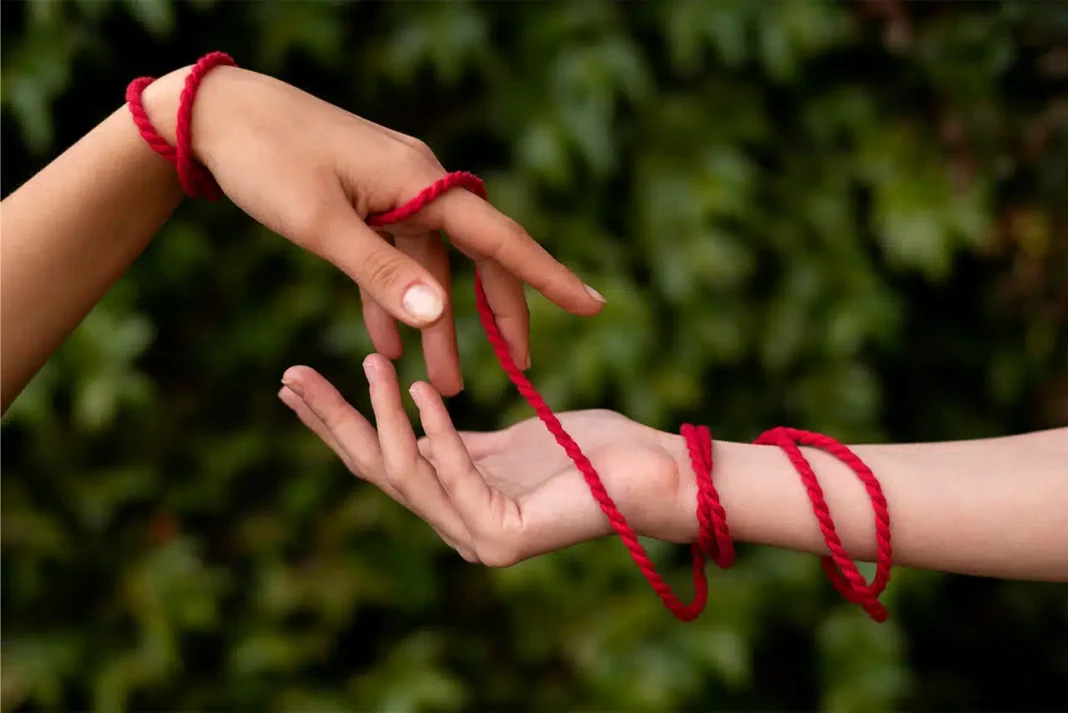
An embryo either attaches to the womb or fails to do so. If we go further back, life begins with the attachment of a single sperm out of millions to the egg. Birth happens only when we can leave the safe waters of our mother. Once outside, perhaps faced with the world in terror, we cling to the one thing that can feed and soothe us: our mother, her breast. Later, we let go of that too. Even if we struggle, even if we feel the deprivation, we let go. Then comes the stage where we can stand up by holding on.
These cycles always begin with difficulty, yet through letting go and then holding on to new things, they shift and transform. For Mahler, this is the necessary process of separation and individuation, where the infant gradually differentiates from the mother and forms a sense of self. For Klein, it is the infant’s capacity to integrate the good and bad aspects of the mother into a whole. For Winnicott, it lies in the experience of being held — of being contained psychically. His concept of “holding” reflects the mother’s capacity to support both physically and emotionally, providing a secure base from which the child can gradually explore the world.
From the very beginning of our existence, this dilemma has been vital, both physically and psychically. But what does it correspond to in adulthood? Choosing a profession, entering a relationship, even simply getting out of bed each morning — in all these choices, we can find traces of holding on and letting go. Sometimes, choosing becomes such a vital act that it feels less like freedom and more like fear. As Yalom reminds us, the price of freedom is often unbearable anxiety. Then we may ask: what if the thing we hold on to so tightly is no longer serving us?
We all have places, people, ideologies, and habits where we feel a sense of belonging. But what if we do not know the difference between belonging and clinging? What if everything seems either as vital as holding on or as fatal as letting go? And what if, while we could fall and rise again stronger elsewhere, we are slowly withering on the very branches we clutch?
The answers to these questions may be different for everyone. Yet if we can ask ourselves — without judgment, even trembling with fear — why we cling, why we release, why we fear both, then perhaps we can navigate the tension of holding on and letting go with more awareness.
For our life begins with holding on and letting go, continues within this tension, and in the end concludes once more with a letting go — and perhaps a new holding on to the unknown.