


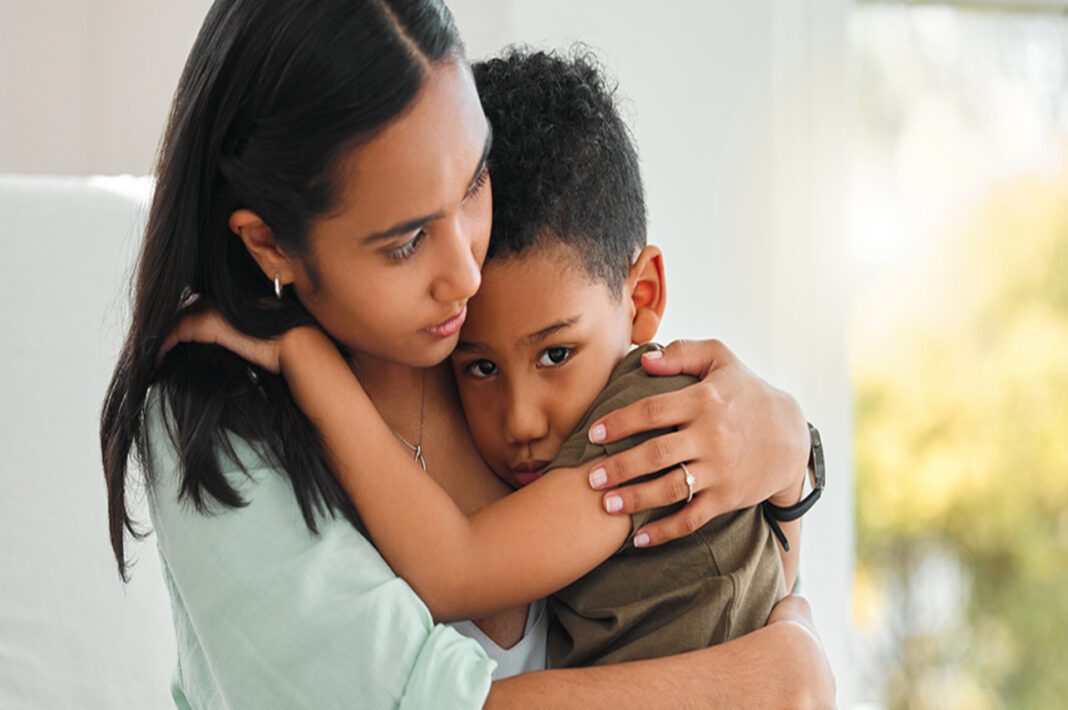

Understanding Loss
Children, like adults, may experience various losses throughout their lives. These losses may occur for different reasons, such as the illness or death of a family member or friend, a loved one moving to a distant place, or the end of an important relationship. Such losses can lead to the development of grief reactions in children and may bring about an emotionally challenging process. At this point, families and the close environment have important responsibilities in helping children go through the grieving process with less harm and even enabling them to develop positive life skills from this experience.
The way children perceive death when they experience a loss may vary depending on their age and developmental level. For younger children, death may have a very different meaning than the one attributed by adults. School-age children, on the other hand, gradually begin to understand that death is an irreversible situation. Therefore, death should be explained in a clear and honest manner that is appropriate to the child’s developmental level. It should be clearly stated that death is the end of life and that the deceased person will not return. At the same time, the real cause of death should not be hidden from the child. Otherwise, the child may develop unrealistic thoughts, such as believing that the death is related to their own behavior.
To help children make sense of death, concrete tools such as visual materials or, depending on the child’s preference, cemetery visits may be used.
Understanding childhood grief, grieving process in children, and post-traumatic growth is essential in supporting emotional recovery.
The Grieving Process
Children’s reactions following a loss can vary greatly. Some children may cry, shout, or become angry as they experience intense emotional outbursts, while others may continue their daily activities without showing any reaction. This situation may indicate that the child needs time to understand and emotionally process the loss. Children often begin to think about the consequences of the loss not immediately, but over time, as they realize that the deceased person will not return. During this process, it is very important for families to adopt an accepting and supportive attitude toward whatever reactions the child shows.
After a loss, children may display reactions such as anxiety and fear, sleep disturbances, anger, intense sadness and longing, feelings of guilt, attention-seeking behaviors, withdrawal, behaving younger or older than their age, or re-experiencing the event in a disturbing manner. The type, duration, and intensity of these reactions may vary from child to child and are often considered normal grief reactions. In particular, feelings of sadness and longing may continue to exist in a way that can be triggered throughout life in some children, even if they decrease over time. A place, an object, a sound, or a photograph may cause these emotions to resurface.
Traumatic experiences such as death can affect many aspects of a child’s development. The experience of loss may play a determining role in the child’s personality development, beliefs about the future, ability to cope with strong emotions, and interpersonal relationships. For this reason, it is extremely important for families and the close environment to be sensitive, understanding, and patient. Children should be provided with a safe space where they can freely express their emotions, and care should be taken not to hinder the reactions they display. At the same time, children need to be informed about how life will continue and to feel safe.
Healing After Grief
Grieving is a natural and necessary part of the healing process. Each child’s way of grieving is unique, and this process should not be compared with that of others. Children should be allowed to experience complex emotions such as sadness, anger, guilt, and regret together. These emotions should be accepted as healthy and natural responses.
Talking about memories and sharing experiences related to the deceased parent during the grieving process can also contribute to the child’s emotional healing. Creating memory boxes or engaging in symbolic activities may help the child maintain a spiritual connection.
Communication established with children during the grieving process is one of the fundamental pillars of healing. Supportive questions such as “Would you like to tell me what you are feeling?” or “How can I help you?” may make it easier for children to express their emotions. Grief may not always be visible from the outside, and some children may experience their pain through denial. In such cases, rather than forcing the child to talk, a healthier approach is to help them feel that support is available whenever they need it.
Although parental loss is a deep and distressing experience for a child, this process may also mark the beginning of positive psychological changes for some children. Social support received after a loss, effective coping mechanisms, and secure relationships may lay the groundwork for post-traumatic growth. Increased perception of personal strength, recognition of new possibilities, the ability to form deeper relationships with others, greater appreciation of life, and spiritual development are among the areas in which growth after loss may occur.
Therefore, it should not be forgotten that the grieving process represents not only a loss, but also a potential for meaning, resilience, and growth.