
Children Who Can’t Name Their Emotions: The Psychological Reflections of Silent Screams

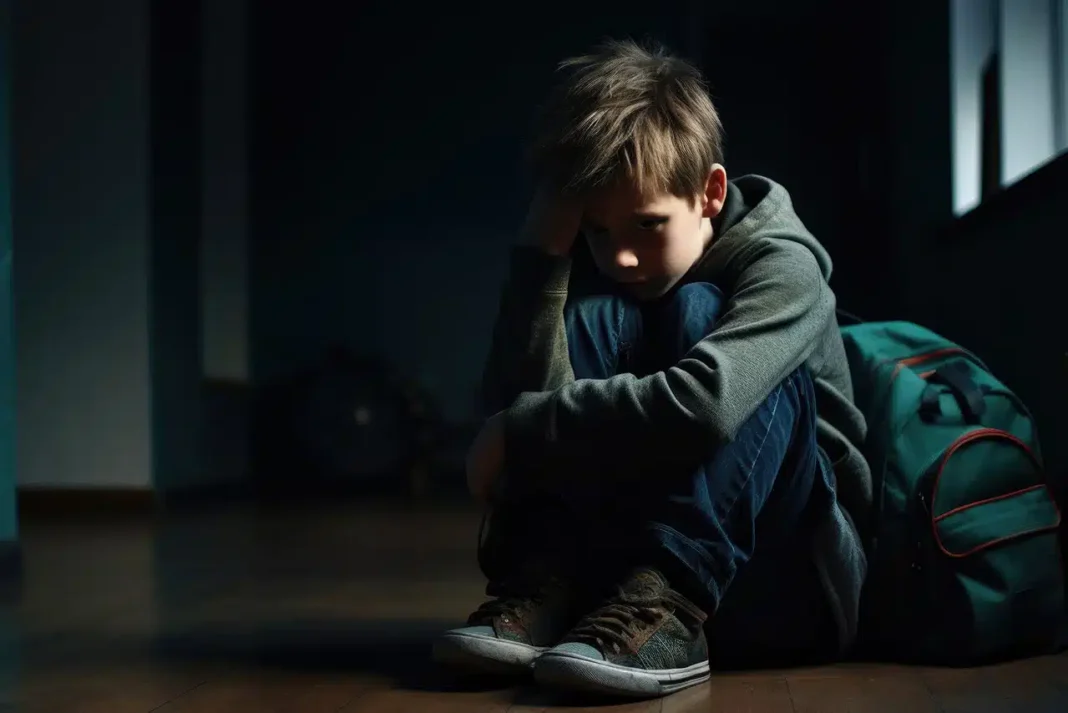
When a child is silent, it doesn’t always mean they’re at peace. Sometimes the quietest children are the ones screaming the loudest. But these psychological cries aren’t heard with ears — they’re felt with the heart. Think of the children who ask for help with their eyes but are too afraid to speak. Perhaps a child who seems calm in class and obedient at home, but cries quietly under the blanket at night. We often mistake silence for harmony. Yet that silence may actually be a storm where emotions are suppressed and made invisible. This article aims to look more closely into the inner world of children who struggle to recognize and express their emotions.
Why Is Emotional Literacy So Important?
Emotions are the foundation of how a child understands both themselves and the world around them. When a child can say, “I’m sad because my toy broke,” it’s a meaningful achievement. But many children can’t say that — not because they don’t feel, but because they’ve learned to suppress rather than connect with their emotions from a very early age. Phrases like “Don’t cry, it’s shameful,” “Real boys don’t get sad,” or “Girls shouldn’t act that way” send a clear message: Your emotions are wrong. Hide them.
Children who learn to hide their emotions eventually lose the ability to recognize them. They struggle to understand what they feel. There is something inside them, but they can’t name it. This often manifests in tantrums, social withdrawal, or physical symptoms like stomachaches, dizziness, tics, or bedwetting. These are the body’s way of saying, “Something is wrong.”
Alexithymia: The Inability to Name Emotions
In psychology, this is called alexithymia — a condition where a person cannot identify or articulate their emotions. In children, this issue becomes even more complex, as they are just beginning to explore and understand emotions. If a child doesn’t have space or support to experience their feelings, they learn to deny them. This can lay the groundwork for depression, anxiety, and relationship difficulties later in life (Taylor, Bagby & Parker, 1997).
Childhood trauma, neglectful or overly authoritarian parenting, and home environments where emotions are not spoken about can severely hinder emotional development. Denham (2006) found that children with higher emotional awareness perform better both academically and socially. When a child knows their feelings, they can express themselves more clearly — and understand others more compassionately.
The Role of Parents and Adults
So, what can we do? The answer is simple, yet powerful: listen. Truly listen — without judgment or trying to “fix” things. When a child says, “I was really angry today,” instead of brushing it off with “Don’t be dramatic,” try asking, “What made you feel so angry?”
Talking about emotions is like oxygen for a child’s psychological growth. Reading books together about feelings, playing games that explore emotions, or using facial expression cards to help identify them — these are all helpful tools. Telling stories and asking, “What do you think this character is feeling?” also fosters empathy. And play therapy, in particular, allows children to express feelings they can’t yet verbalize (Landreth, 2012).
Sometimes a single sentence can transform a child’s inner world. Saying, “You look sad — I’m here for you,” helps a child feel that their emotions are seen and accepted. And being understood is the first step toward healing.
A Note on Social Perspective
Unfortunately, society still holds many misconceptions about emotions. Especially for boys, strength is often equated with emotional silence. In such a world, children who are emotionally aware may be seen as “weak.” But true strength lies in being aware of one’s feelings, managing them, and being able to recognize and care for the feelings of others.
That’s why parents, educators, and caregivers must first build a healthy relationship with their own emotions — and then guide children to do the same. Let’s not forget: children don’t learn from what we say as much as from how we live.
Conclusion
A child’s silence is often the voice of an inner loneliness. And when that loneliness goes unnoticed, it grows. Sometimes, just one word or simply sitting beside them in quiet presence is enough. What matters is that we truly listen to that silence.
A child who learns to recognize their emotions also learns to recognize themselves. And a child who knows themselves begins to understand the world. Maybe then, they no longer need to scream — because someone is finally listening. And sometimes, that alone can change a child’s entire world.
References
-
Denham, S. A. (2006). Social-emotional competence as support for school readiness: What is it and how do we assess it? Early Education and Development, 17(1), 57–89.
-
Taylor, G. J., Bagby, R. M., & Parker, J. D. A. (1997). Disorders of affect regulation: Alexithymia in medical and psychiatric illness. Cambridge University Press.
-
Landreth, G. L. (2012). Play therapy: The art of the relationship (3rd ed.). Routledge.