



Attachment is a journey that begins the moment a human being falls into the body. A child first attaches to the mother: initially to survive, to be fed, and to feel safe. Gradually, emotional development begins, and with the mother’s care and attunement, the child learns not only to exist but to connect—to life, to others, and to the self. The father or a secondary caregiver later enters this small world, expanding the circle of connection.
Through these repeated experiences of attachment, the infant finds a secure place in the mother’s arms, close to her heart. It is a place where emotional, sensory, and cognitive awareness begin to unfold. Within this space, the child starts to experience the act of holding and being held, both physically and emotionally. These early patterns of bonding, separation, and reunion become the first map that guides how we connect to others.
A securely attached child who has known both connection and safe separation grows into an adult capable of love, trust, and emotional regulation.
Emotional Memory And The Foundation Of Safety
The knowledge and emotional memories formed in this early stage are not easily erased. Imagine a new USB drive: empty, receptive, ready to record whatever it receives. Once connected, it begins to store data. In the same way, a child’s mind and body record the quality of their earliest emotional connections.
While isolated moments of distress are not enough to damage development, repetitive patterns of neglect or inconsistency can leave emotional traces. Yet, it is equally true that consistent affection and the gentle rhythm of loving arms create a foundation for emotional safety.
Infants thrive not in perfection but in repetition and reliability, where they are held, seen, and understood.
The Holding Environment: Feeling Seen And Safe
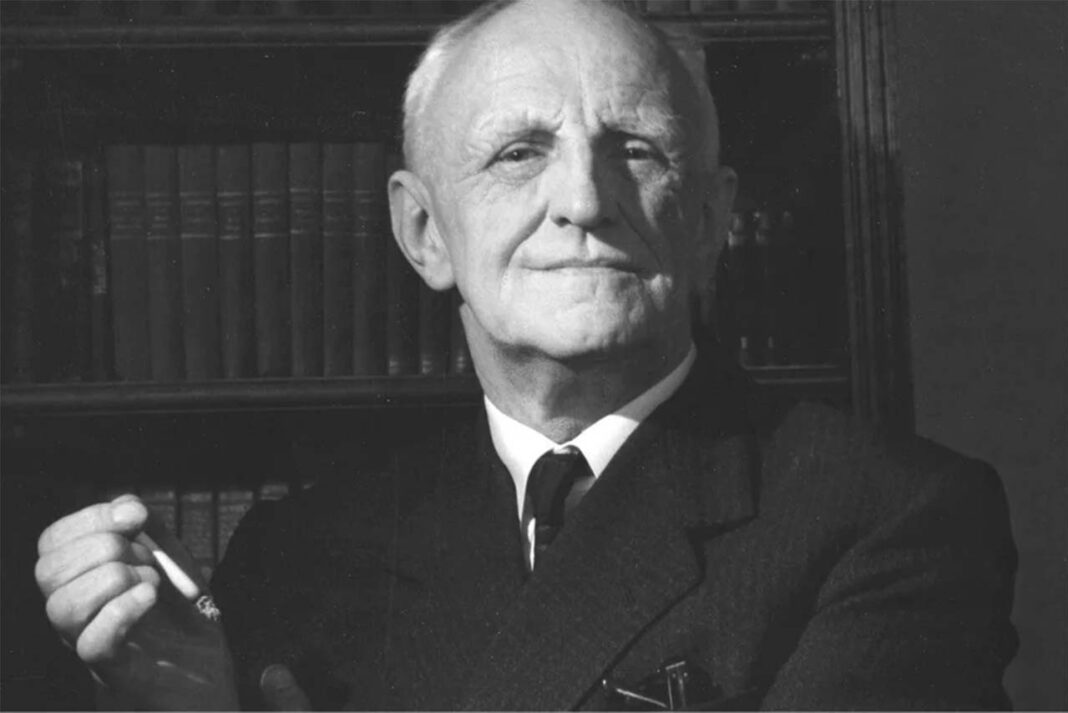
Winnicott’s concept of the holding environment captures this beautifully. To be “held” by another is not only about physical containment—it is the psychological sense of being emotionally held in mind.
A good holding environment, whether in early childhood or later in therapy, allows a person to feel seen without being intruded upon and safe without being controlled. In this sense, the mother’s attunement creates the first emotional space where the child feels real and begins to form an authentic sense of self.
Winnicott’s Three Stages Of Development
From a developmental perspective, Winnicott described three broad stages of growth that shape this process:
-
Absolute Dependence:
The infant and caregiver exist almost as one. The child has no sense of separation; their needs and the caregiver’s responses merge into a shared rhythm of being. -
Transition Stage:
The child begins to sense individuality. They test the boundaries of self and other, discovering that frustration and waiting are part of life. Here, the mother’s “good-enough” presence—consistent but not perfect—teaches the infant to tolerate imperfection and trust continuity. -
Relative Independence:
The child steps into the external world with confidence, carrying within them an internalized sense of safety born from earlier holding experiences.
These developmental stages mirror the journey of attachment. The secure base that Bowlby and Ainsworth later described echoes Winnicott’s holding environment. Both emphasize that emotional security in early life enables curiosity, exploration, and healthy independence.
A child who has been safely held can afford to move away, knowing there is always a place of return.
Authenticity And The “Good-Enough” Environment
Winnicott emphasized that the foundation of a child’s emotional development lies in the mother’s capacity to provide a reliable and nurturing environment—what he called the holding environment. Within this space, the infant begins to form a sense of self that is responsive and genuine, not forced or defensive.
When the caregiver is emotionally attuned and consistent, the child develops a natural sense of authenticity and autonomy. Conversely, when the environment fails to meet the infant’s emotional needs, the child may learn to adapt in ways that prioritize survival over authenticity.
But when the environment is “good enough,” something profoundly human unfolds. The child learns that even when the connection falters, it can be repaired. Separations are not endings but pauses in a continuing relationship.
This awareness forms the root of resilience—the ability to be alone without feeling abandoned, to love without losing oneself.
Attachment As A Lifelong Dance
Attachment, then, is not a static state but an evolving dance between closeness and freedom. Each developmental stage offers a new rhythm in this dance, guided by the caregiver’s attunement and emotional availability.
A secure attachment does not demand perfection: it requires presence, consistency, and empathy.
As Winnicott once suggested, “It is a joy to be hidden, and a disaster not to be found.” In other words, the child’s inner world can flourish only when someone is willing to see it.
Through being held, seen, and allowed to be, the child learns the most fundamental truth of existence: that love and independence are not opposites, but two intertwined movements of the same early dance of life.