


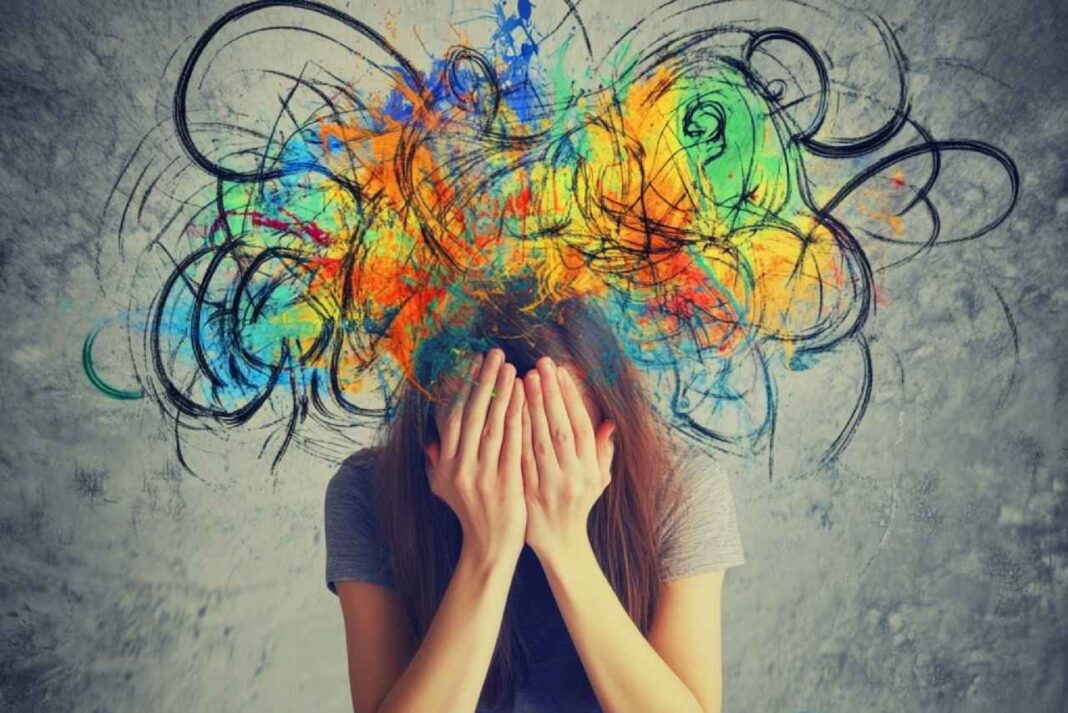

THE WHISPER OF COLORS
A painter’s brush… What does it truly hold in its delicate tip? Merely colors? Or unspoken emotions, memories, sorrows, and hopes? The magic of art begins precisely with such questions — making the invisible visible, transforming inner whispers into hues. Art carries the unsung melody of the soul onto the canvas.
The brush, drenched in the subconscious, quiets the noise of life and brings forth the deepest voices of the spirit. The colors at the tip do not simply create an image; they touch places words cannot reach. They whisper silent screams, buried griefs, longings, and hopes. Colors are the notes of this wordless song: blue, the calm of solitude; red, the burning flame of anger; yellow, the subtle glow of hope.
In psychology, the connection between colors and the human psyche has long been understood. Carl Jung’s theory of archetypes reveals the symbolic meanings of colors in the collective unconscious: red signifies life force and passion; black opens the door to the unknown and the inner darkness. Consciously or not, the artist translates their inner world into a symbolic narrative through these universal images. The choice of colors reflects the painter’s emotional state and evokes unique psychological resonances in the viewer.
THE INNER WORLD OF THE ARTIST: THE EXAMPLE OF FRIDA KAHLO
Frida Kahlo’s paintings tell the story of her bodily and spiritual pain through the language of color and symbolism. Blood reds and earthy tones express both suffering and resilience, while watery blues reflect her search for inner peace. Frida’s brush is not just a tool of expression; it is also a mirror of healing. In her works, trauma and recovery coexist. Especially in her painting The Broken Column, physical pain and emotional conflict converge on the same canvas. Each color becomes a part of her life story and psychological depth.
THE VIEWER AND ART: A REFLECTION OF THE SOUL
This powerful bond between art and psychology doesn’t just envelop the artist — it draws in the viewer as well. When we stand before a painting, our inner world awakens. Within the colors and forms, we find our own fears, joys, and longings. Just like Henri Matisse’s dance with colors, each viewer journeys through the shades of their own soul. This is where the psychological concept of projection comes into play: the individual sees in the artwork their own feelings, past, or dreams. This encounter offers a unique opportunity for self-discovery through a new lens.
ART THERAPY: THE HEALING POWER OF THE BRUSH
Art therapy is a powerful tool for exploring the inner self. Emotions too complex for words find expression in the rhythm of the brush and the language of colors. This process is a healing journey that nurtures both creativity and self-acceptance. Jung’s process of individuation becomes more tangible through art. Paintings created in therapeutic settings bring suppressed emotions to the surface. The intensity and choice of colors offer profound insights during therapeutic analysis. Here, art is not merely a form of expression; it becomes a gentle instrument that heals the soul’s wounds.
A FORGOTTEN FEELING LINGERS AT THE TIP OF THE BRUSH
FINAL WORD: THE SOUL THAT SPEAKS THROUGH THE BRUSH
A painter’s canvas doesn’t just carry the scent of paint. It holds memories untouched by time, silent childhoods, suppressed joys, and inner struggles. Every brushstroke tells a hidden story; every transition of color echoes an unsaid sentence. Art, in this sense, is not merely something to be seen – it is something to be felt, lived, and internally recognized. To gaze silently at a painting is sometimes to confront the hue of a fear buried years ago. And in that moment, we realize: some emotions don’t seek words – they seek refuge in colors.
That is why a painter’s brush doesn’t just draw. Sometimes, it weeps. Sometimes, it hopes. And most often, it returns to us a forgotten feeling we never knew we had lost.