


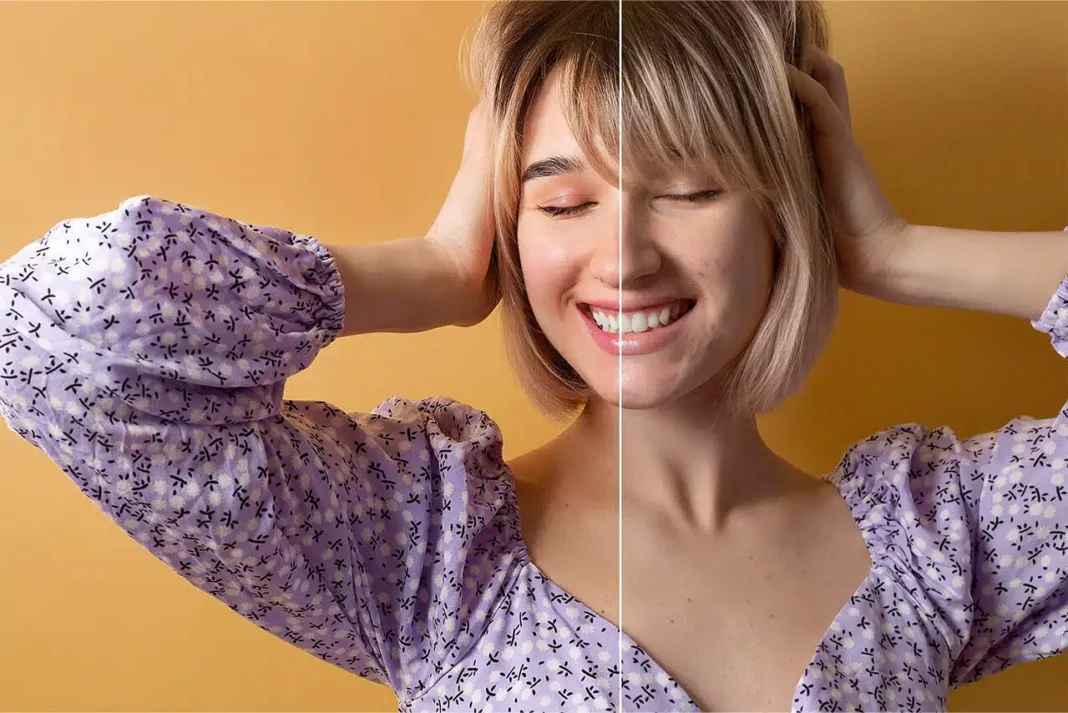

With the rise of the digital age, social media has become an essential part of our daily lives. On platforms like Instagram, Snapchat, Twitter, and TikTok, users share their daily routines, even from the moment they wake up. However, these posts are becoming more and more distant from reality. Instead, we are presented with artificial individuals who follow the algorithm and fit social norms in the digital showcase. But among all this perfection, where is our true self hiding? This article will discuss how digital platforms affect individuals’ perception of self-esteem.
Self-Esteem
Self-esteem refers to how a person sees themselves and whether they like what they see (Reçber, 2011). In other words, it plays an important role in shaping a person’s self-view, either positively or negatively. The digital age has a strong impact on this process. Today, people share content on social media that they think will attract attention from their audience, and they care about getting likes on the photos they post (Özdemir, 2015). For example, features like a slim waist and flawless skin have become very popular. This leads many individuals, including teenagers, to feel inadequate and develop worries about their bodies. In time, the ability to love and accept oneself turns into a desire to fix one’s appearance through filters to look perfect on social media. As a result, people start to present themselves the way they believe others want to see them. This has a major influence on the development of their self-esteem. Some studies support this situation. For instance, Karaman (2021) found that attitudes toward social media use negatively affected self-esteem in teenagers. Similarly, Sarıkoç (2021) showed that young adults who spent four or more hours per day on social media had lower levels of self-esteem.
Self-Esteem and Identity Search in Adolescence
During adolescence, individuals try to cope with their changing bodies and hormones while also beginning a process of self-discovery, learning about their environment, and building their identity. During this sensitive period, there is a conflict between inner thoughts and external influences. Idealized images shown on digital platforms deepen this conflict and increase the mental burden on young people.
According to Erikson’s theory, during the “identity vs. role confusion” stage of psychosocial development, individuals ask themselves the question: “Who am I?” Adolescents, in their search for identity, try to both understand themselves and adapt to the roles accepted by society. Although social media was first seen as a space for sharing, over time it has become a platform for displaying an ideal lifestyle. In this case, instead of reflecting their true self, individuals try to follow socially accepted norms.
The Outer Self and Inner Conflict
A person may experience a divide between their true inner self and the “outer self” shown to friends, family, and colleagues. This creates an inner conflict where social masks begin to multiply. Faces are reshaped with filters, skin is smoothed, and appearances are digitally recreated. But this transformation is not just physical; individuals begin to question their self-image in the mirror. Over time, a gap in self-esteem develops, and individuals grow distant from their true identity. These inner conflicts are related to Carl Rogers’ ideas about the ideal self and the real self. The ideal self is the person someone wishes to become, while the real self is how people currently see themselves based on self-awareness and reflection (Simply Psychology, 2023). For example, when someone compares their life to the “perfect lives” they see on social media, the gap between their real self and ideal self grows. As this mismatch increases, problems such as anxiety, discomfort, low self-esteem, and dissatisfaction may occur.
Personal Awareness
Understanding and accepting oneself is the first step toward personal growth. In other words, individuals should move away from the usual beauty standards promoted on social media and accept their true, unique selves. In this process, they should discover their values, flaws, strengths, and weaknesses, and embrace them as a whole. In doing so, they can develop the ability to love themselves and reach a healthy level of self-awareness.
Conclusion
Knowing and accepting oneself contributes to personal development in many areas of life. Individuals who are aware of their needs and make choices accordingly can build a more satisfying life. They form their own values independently of others, set healthy boundaries, and maintain their self-esteem in a strong and balanced way.
References
Özdemir, Z. (2015). Sosyal medyada kimlik inşasında yeni akım: Özçekim kullanımı. Maltepe Üniversitesi İletişim Fakültesi Dergisi, 2(1), 112-131.
Reçber, B. (2011). Bir özsaygı geliştirme programının yetiştirme yurdunda yaşayan ergenlerin özsaygı düzeyleri üzerinde etkililiği. Toplum ve Sosyal Hizmet, 22(1), 115-132.
Sarıkoç, F. (2021). Genç yetişkinlerde sosyal medya bağımlılıkları benlik saygısı ve beden algısı arasındaki ilişkisi (Yüksek Lisans Tezi, Biruni Üniversitesi). YÖK Ulusal Tez Merkezi.
Karaman, G. (2021). 14–18 yaş grubu ergenlerin sosyal medya kullanım tutumlarının, ilişkilerde güven ve benlik saygısı üzerine etkisi (Yüksek Lisans Tezi, İstanbul Aydın Üniversitesi).
Simply Psychology. (2023, 20 Aralık). Self-concept in psychology. https://www.simplypsychology.org/self-concept.html?utm_source=chatgpt.com#Actual-Self