
Motherhood Burnout

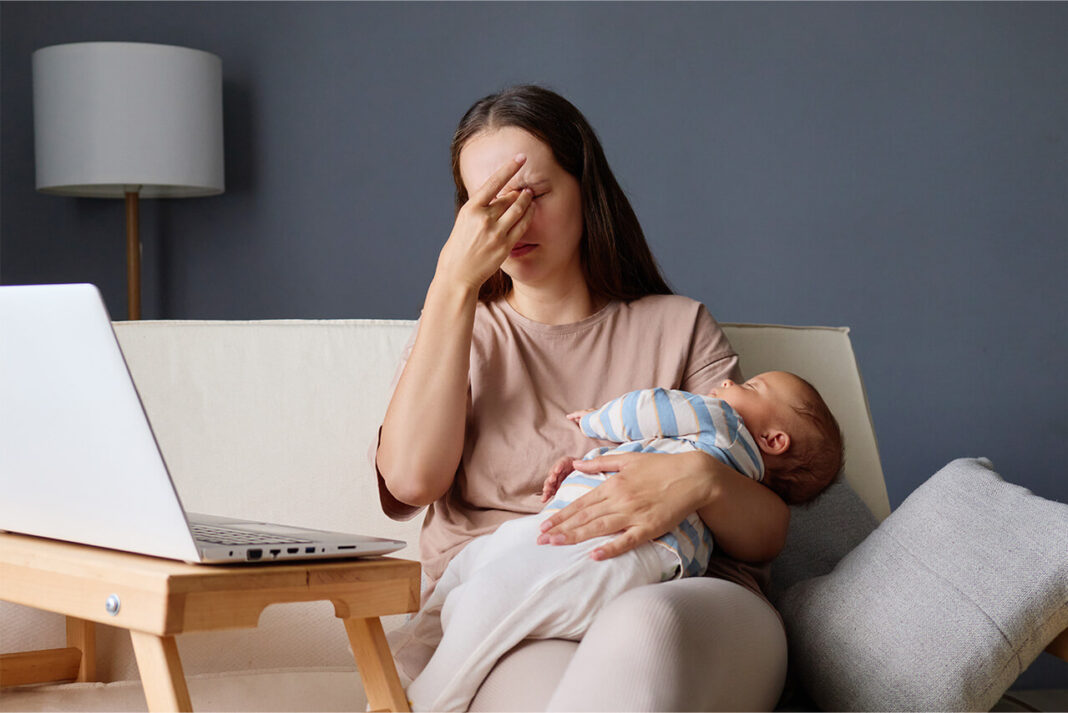
Motherhood burnout is a condition intensified by psychological pressures and societal expectations. While the perception of “perfect motherhood” and unequal distribution of responsibilities trigger burnout, factors such as social support, employment, and effective coping strategies can help alleviate this condition. In this article, I aim to share findings from research conducted in this area and discuss how societal expectations placed on women through their maternal roles contribute to limitations and widespread burnout. I hope to create space for this topic and keep it part of the public conversation.
Parental Burnout
Parental burnout arises when the physical and emotional demands of parenting exceed one’s capacity to cope. Although occupational burnout is widely recognised, parental burnout is still a growing area of concern and may affect approximately 14% of parents. This type of burnout is characterised by physical and emotional exhaustion, emotional detachment from the child, and feelings of ineffectiveness in parenting. While it shares similarities with postpartum depression, parental burnout is mostly observed in mothers with children over 18 months and is primarily rooted in the challenges of parenting (Hubert, S., & Aujoulat, I., 2018).
Can a Mother Burn Out?
Burnout, increasingly visible today, stems from stress-based exhaustion caused by the mismatch between efforts toward gender equality in the workplace and the persistent inequality in domestic responsibilities. The stress, fatigue, and helplessness experienced by mothers during this process can negatively affect not only the mother but also the child, leading to what is known as “maternal burnout.” Research highlights that even in countries where gender equality is more advanced in areas like education, employment, and healthcare, responsibilities related to childcare and education remain primarily assigned to women (Akgün et al., 2022). Therefore, women face a significant gap between their economic participation, educational achievements, personal opportunities, and the societal pressure to be the primary and sole caregiver for their child.
Moreover, stay-at-home mothers often feel they are expected to focus solely on the child, leading to internalised thoughts such as “caring for my child is my only job, so I shouldn’t feel stressed.” As a result, both working and non-working mothers may experience negative stress that increases the risk of burnout (Akgün & Ege, 2014).
Factors Leading to Maternal Burnout
This process can begin immediately after childbirth and is a widespread issue, affecting up to 70% of women during the first year. Everyday life, inequalities in parental roles, and imbalances in responsibilities can contribute significantly to burnout. Studies have shown that the repetitive nature of tasks like work, household chores, administrative responsibilities, cooking, experiences during childbirth, knowledge about infant care, and direct childrearing can lead to fatigue.
Additionally, neglecting one’s own basic needs while focusing on the child, the societal pressure to be the “perfect mother,” lack of support (especially from partners), dealing with a difficult child, history of postpartum depression, high levels of anxiety, and dissatisfaction with work-life balance all contribute to the escalation of burnout (Séjourné et al., 2018).
Recent research shows that juggling both professional work and childcare can increase symptoms of stress, anxiety, and depression in mothers. However, adequate social support can reduce these negative emotions, and working mothers tend to report lower levels of emotional burnout compared to stay-at-home mothers (Lebert-Charron et al., 2018).
From the Myth of Perfect Motherhood to Burnout
There is a strong link between parental burnout and perfectionism. Negative perfectionism, in particular, increases the risk of burnout by focusing excessively on the gap between parenting ideals and reality (Song, T., 2023). Although many mothers find parenting more challenging than professional work, the pressures of being a “perfect mother” often prevent them from expressing these difficulties openly (Akgün & Ege, 2014). Over time, this perception leads to increased self-criticism and internal pressure.
The “perfect mother” label includes concerns such as fear of not being a good enough mother, perfectionist tendencies, the pressure to be consistently balanced and adequate, and lack of social support. At advanced levels, this can lead to feelings of guilt, shame, self-loathing, the belief that they are unworthy of being a mother, and social withdrawal—all of which contribute to maternal burnout (Hubert, S., & Aujoulat, I., 2018).
Conclusion
To reduce the risk of maternal burnout—which can significantly impact not just mothers but the entire family—providing adequate support, informing parents (especially mothers) about the process, and ensuring that mothers have a space to share their experiences are key.
Maternal burnout is closely related to psychological factors such as depression, anxiety, parenting stress, and perceived stress. On the other hand, problem-focused coping strategies, employment, and especially full-time work have been shown to mitigate burnout. These findings emphasise that maternal burnout is influenced by both contextual (e.g., employment status, social support) and psychological (e.g., perceived stress, mental health) factors, underlining the importance of supportive interventions like psychoeducation (Lebert-Charron et al., 2018).
References
Song, T., Wang, W., Chen, S., Li, W., & Li, Y. (2023). Examining the effects of positive and negative perfectionism and maternal burnout. Personality and Individual Differences, 208, 112192.
Rodriguez, R. S., Laflaquière, E., Orsini, E., Pierce, T., Callahan, S., & Séjourné, N. (2020). Maternal fatigue and burnout: From self-forgetfulness to environmental expectations. European Review of Applied Psychology, 70(6), 100601.
Roskam, I., Gallée, L., Aguiar, J., Akgun, E., Arena, A., Arikan, G., … & Mikolajczak, M. (2022). Gender equality and maternal burnout: A 40-country study. Journal of Cross-Cultural Psychology, 53(2), 157–178.
Hubert, S., & Aujoulat, I. (2018). Parental burnout: When exhausted mothers open up. Frontiers in Psychology, 9, 1021.
Akgün, Ege. (2014). Annelerde stres ve tükenmişlik. International Journal of Human Sciences / Uluslararası İnsan Bilimleri Dergisi, 11, 238–250. https://doi.org/10.14687/ijhs.v11i2.2786
Séjourné, N., Sanchez-Rodriguez, R., Leboullenger, A., & Callahan, S. (2018). Maternal burn-out: An exploratory study. Journal of Reproductive and Infant Psychology, 36(3), 276–288.
Lebert-Charron, A., Dorard, G., Boujut, E., & Wendland, J. (2018). Maternal burnout syndrome: Contextual and psychological associated factors. Frontiers in Psychology, 9, 885.