


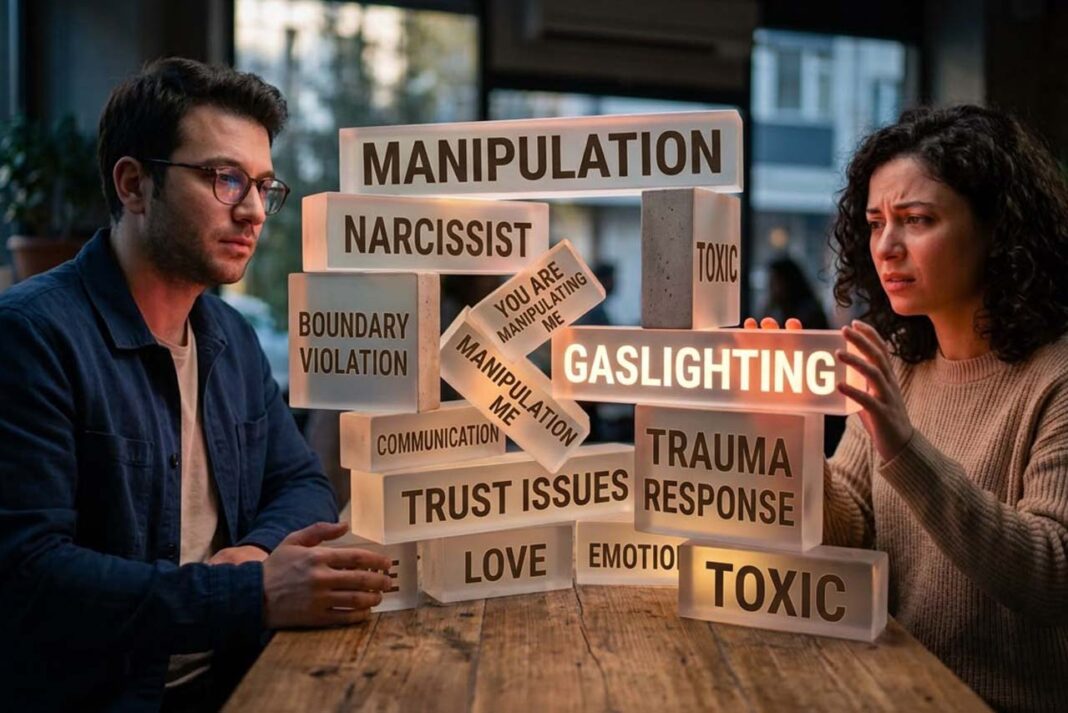

In recent years, a familiar echo has been reverberating through social media feeds, coffee shop conversations, and the very heart of interpersonal relationships: “You are violating my boundaries,” “You are gaslighting me,” “What you are doing is textbook narcissistic behavior.” Clinical terms that were once used exclusively within the safe confines of therapy rooms by qualified psychologists and psychological counselors to facilitate clients’ healing processes have now evolved into defensive weapons in everyday communication. This phenomenon, referred to in the literature as therapy speak, can undoubtedly help individuals make sense of their inner worlds. However, when removed from its scientific context and filtered through the shallow waters of popular culture, it risks mechanizing human relationships and eroding empathy. The problem does not lie in psychological science or its concepts themselves, but in the careless and self-serving weaponization of these nuanced terms within everyday interpersonal conflicts.
Healing in the Hands of the Expert vs. the Illusion on the Street
When psychological concepts and therapeutic language are used by professionals who have internalized the ethics, philosophy, and clinical foundations of the discipline, they become powerful instruments of healing. A qualified psychologist or psychological counselor does not employ these concepts to label, shame, or corner individuals. Instead, therapeutic language enables clients to identify long-unrecognized emotional wounds, examine traumatic experiences from a safe psychological distance, and gradually rebuild healthier patterns of living. Within the therapeutic setting, every concept serves a constructive purpose by reducing confusion rather than increasing it. Used appropriately and ethically, this language offers individuals a meaningful pathway toward greater self-understanding and psychological well-being.
However, once these same concepts are detached from their scientific foundations and popularized among individuals without professional mental health training, they often lose their therapeutic value. Instead of fostering self-awareness, they become rhetorical tools for asserting moral superiority or avoiding personal responsibility. Labeling someone as “toxic” after a disagreement or describing every uncomfortable interaction as “gaslighting” oversimplifies the complexity of human behavior. Human beings are capable of selfishness, inconsistency, misunderstanding, and emotional mistakes without necessarily meeting the criteria for any psychological disorder. When clinical terminology is used casually as a substitute for dialogue, healthy conflict resolution becomes increasingly difficult. Rather than seeking mutual understanding, people begin diagnosing one another from positions of perceived authority.
Condemned to Loneliness While Drawing Our Own Boundaries
Modern popular culture often promotes a version of psychology that places individual comfort and emotional well-being above collective responsibility, mutual sacrifice, and long-term commitment. This tendency, closely associated with the concept of emotional capitalism, gradually transforms relationships into transactions governed by personal cost-benefit analyses.
For example, when a friend experiences a prolonged period of emotional difficulty, withdrawing support by saying, “I need to protect my energy” or “I am setting a boundary” may be celebrated as an act of self-care. While healthy boundaries are undoubtedly important, the indiscriminate application of this language can weaken the mutual support and resilience upon which meaningful relationships are built. In such cases, the legitimate psychological concepts of self-care and boundaries risk being reinterpreted as justifications for emotional disengagement and rigid individualism.
In highly individualistic societies such as the United Kingdom, these increasingly rigid interpretations of personal boundaries may also contribute to rising levels of social isolation. The ease with which people remove others from their lives through ghosting, blocking, or cancelling over relatively minor incompatibilities reflects broader concerns regarding the growing loneliness epidemic.
Within the Turkish cultural context, however, the consequences may be even more complex. Imported therapeutic language often collides with long-standing traditions emphasizing family solidarity, interdependence, and social responsibility. Younger generations may interpret parental criticism or expectations through clinical labels such as “toxic parenting” or “trauma,” while older generations frequently perceive this language as emotionally distant, overly individualistic, or disrespectful. The result is not necessarily healthier communication but, in many cases, deeper intergenerational misunderstanding.
Casting Emotions into Molds and the Chilling Distance Between Us
Perhaps the greatest consequence of the uncritical spread of therapy speak is the gradual mechanization of naturally imperfect human relationships. Genuine relationships develop through shared experiences, subtle emotional cues, misunderstandings, forgiveness, and vulnerability. They cannot be reduced to diagnostic formulas or psychological checklists.
When someone expresses emotional pain, responding with statements such as “That is your inner child speaking” or “You are projecting” may create the appearance of psychological sophistication while simultaneously invalidating the person’s lived emotional experience. Rather than expanding empathy, such responses often replace compassionate listening with intellectual categorization.
As individuals become increasingly focused on identifying psychological patterns in others, they may unintentionally stop listening with curiosity and compassion. Conversations become opportunities to identify cognitive distortions rather than understand human experiences. Although therapeutic terminology may provide a sense of emotional protection, it can also deprive relationships of the vulnerability required for genuine intimacy. In attempting to eliminate every potential source of discomfort before relationships even begin, people risk sterilizing the very emotional conditions that allow authentic connection to flourish. Healthy relationships, like living organisms, cannot thrive within emotionally sterile environments.
From Hearsay Prescriptions to the Naturalness of Heartfelt Connection
Psychological science remains an invaluable resource for helping individuals better understand themselves and improve their mental well-being. The guidance offered by qualified mental health professionals has transformed countless lives and continues to play a vital role in psychological care. Nevertheless, the language of clinical psychology should not become a substitute for ordinary human conversation.
The future of healthy relationships depends less on diagnosing one another and more on developing the capacity to tolerate imperfection, navigate conflict, and extend compassion despite disagreement. Genuine psychological maturity is not demonstrated by speaking like a therapist in everyday interactions. Rather, it is reflected in the ability to listen more carefully, respond with greater empathy, and remain open to the complexity of human experience.
When psychological concepts are used with humility rather than certainty, and when we begin to see one another not as diagnostic categories but as imperfect human beings worthy of understanding, our relationships can recover the warmth, flexibility, and emotional depth that no clinical vocabulary alone can provide.
References
Brinkmann, S. (2016). Diagnostic Cultures: A Cultural Approach to the Pathologization of Modern Life. Routledge.
Furedi, F. (2004). Therapy Culture: Cultivating Vulnerability in an Uncertain Age. Routledge.
Illouz, E. (2007). Cold Intimacies: The Making of Emotional Capitalism. Polity Press.
Lasch, C. (1979). The Culture of Narcissism: American Life in an Age of Diminishing Expectations. W. W. Norton & Company.
Rose, N. (1998). Inventing Our Selves: Psychology, Power, and Personhood. Cambridge University Press.