


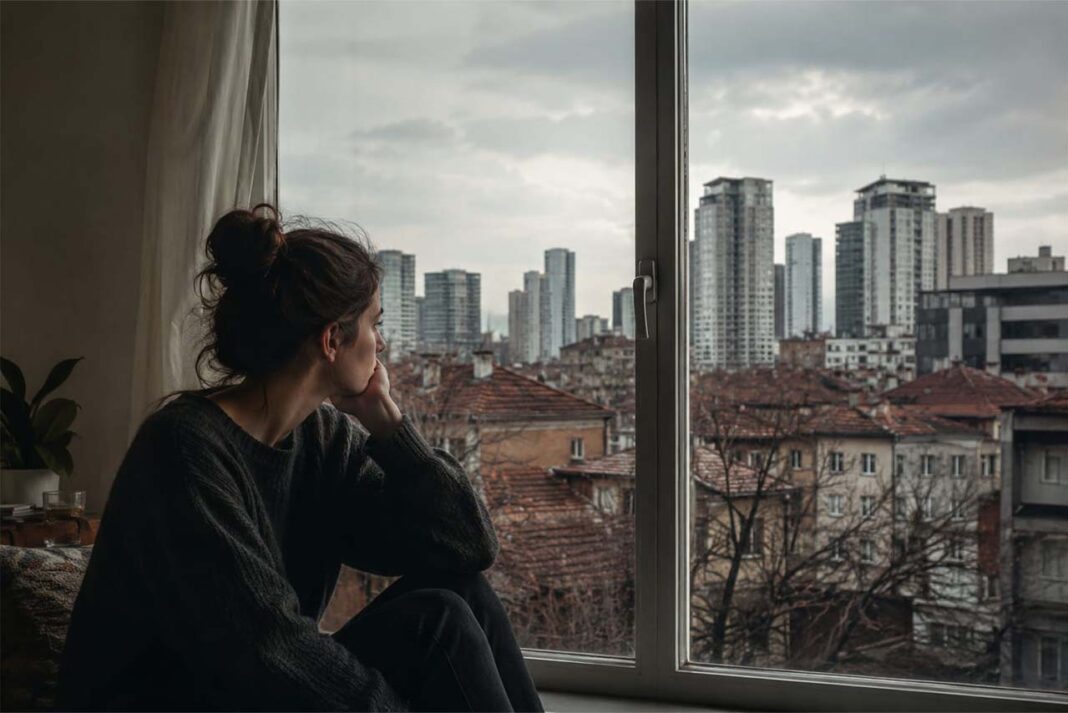

Is It Possible to Feel Like a Stranger While Still at Home?
People often associate longing with leaving a place behind. We may miss the streets where we grew up, the homes we once lived in, or the cities we left years ago. Yet sometimes, a person can experience a profound sense of loss without ever moving away. This experience is increasingly discussed in psychology and environmental studies under the concept of solastalgia.
Solastalgia refers to the distress, grief, and sense of alienation people may experience when their environment changes around them, even though they remain in the same place. The term was first introduced by the Australian environmental philosopher Glenn Albrecht to describe the psychological impact of environmental transformation on individuals and communities.
In simple terms, solastalgia can be understood as “homesickness while still being at home.” A person may continue living in the same house, neighborhood, or city, yet feel that the place they once knew has disappeared. As familiar landscapes, communities, and environments change, individuals may experience feelings of loss, disconnection, and emotional displacement.
The Psychological Bond Between People and Places
The relationship between people and places is often deeper than we realize. Psychological research suggests that individuals develop strong emotional bonds not only with other people but also with the environments in which they live. Childhood memories, daily routines, familiar streets, local parks, and natural surroundings all contribute to a sense of belonging. When these elements change dramatically, the impact can extend beyond physical transformation—it can feel like a deeply personal loss.
One reason solastalgia has become increasingly relevant is the speed at which environmental change occurs today. Urbanization, population growth, large-scale construction projects, environmental degradation, and climate change are transforming landscapes at an unprecedented pace. Neighborhoods that once felt familiar can become almost unrecognizable within a relatively short period.
The replacement of open spaces with high-rise buildings, the disappearance of natural scenery, or the transformation of long-established communities may affect far more than the physical environment. Such changes can disrupt the emotional connections individuals have built with a place throughout their lives. After all, people do not simply live in places—they build their identities, memories, and life stories within them.
Climate Change and Mental Health
Climate change has also contributed to growing interest in solastalgia. Droughts, wildfires, floods, and other environmental disruptions affect not only ecosystems but also psychological well-being. Witnessing the gradual loss of familiar landscapes can evoke feelings of grief, anxiety, helplessness, and uncertainty about the future.
For this reason, some researchers argue that solastalgia should be understood not only as an environmental issue but also as a mental health concern. A person may remain physically present in a place while feeling emotionally disconnected from it. This experience can be difficult to recognize because individuals often struggle to explain why they feel unsettled despite remaining in familiar surroundings.
The Emotional Consequences of Environmental Change
The psychological effects of solastalgia can vary from person to person. Some individuals may experience a subtle sense of sadness or nostalgia, while others may develop more intense feelings of anxiety, grief, or alienation. These reactions may be particularly pronounced among people who have formed deep emotional attachments to their local environment.
In today’s rapidly changing world, solastalgia is no longer limited to communities directly affected by environmental disasters. Urban redevelopment, shrinking green spaces, changing social structures, and increasing environmental uncertainty can all contribute to feelings of displacement. A person may continue walking the same streets and living in the same home, yet quietly feel that something fundamental has been lost.
This feeling represents one of the less visible psychological consequences of modern life. Places are not merely physical locations; they are also repositories of memory, identity, and security. When a place changes, the meanings attached to it may change as well. Solastalgia reminds us that environmental transformation affects not only the world around us but also our inner psychological landscape.
Conclusion
Reflecting on solastalgia encourages us to recognize the emotional bonds we form with the places we inhabit. The environments around us are not simply settings for our lives—they help shape who we are, where we come from, and where we feel we belong.
Perhaps that is why the most important question is this:
When a place changes, is it only the environment that changes, or do we quietly change along with it?