


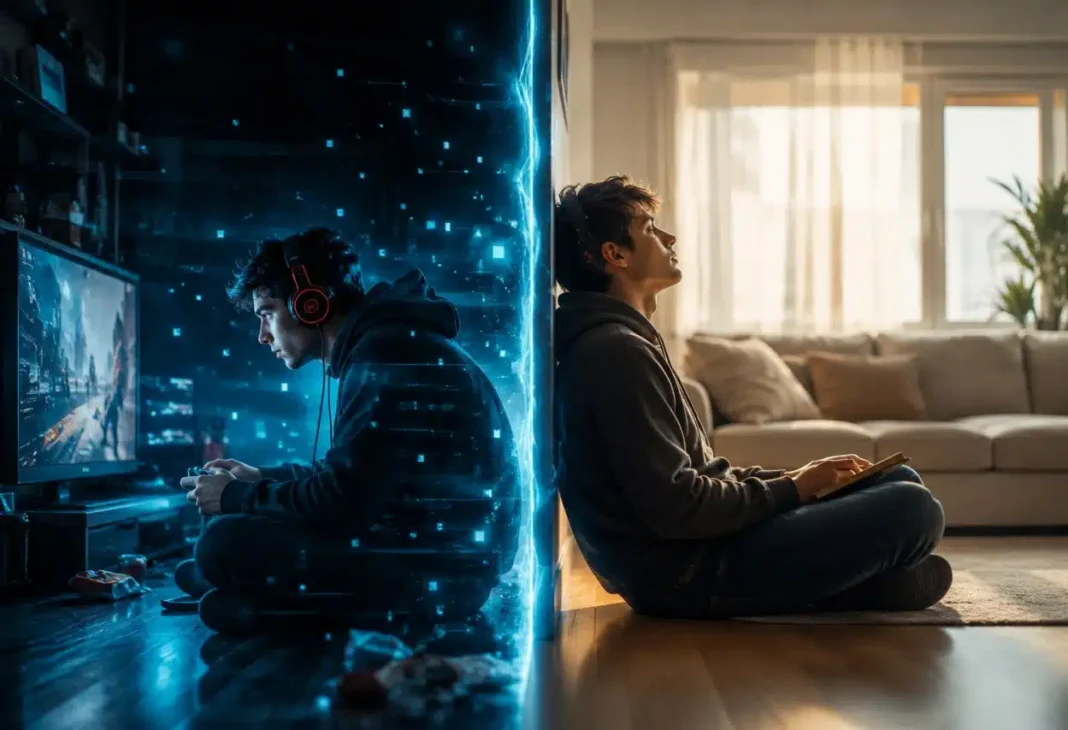

Digital games are no longer just a form of entertainment; they have become an essential part of daily life for many people. From my perspective, the real issue is not playing games itself, but the quality of the relationship individuals develop with them. When used appropriately, games can be relaxing and even beneficial for personal development. However, when control is lost, they can seriously affect an individual’s psychological, social, and academic functioning. This is where the concept of digital game addiction comes into play.
Playing games is a natural behavior. Especially during childhood, play is one of the fundamental building blocks of development. However, if gaming gradually begins to replace real life and a person becomes unable to control their gaming behavior, it ceases to be a healthy habit. Digital game addiction refers to a situation in which an individual feels a strong urge to play games, loses control over the amount of time spent gaming, and continues this behavior despite its negative impact on daily life.
The Brain, Reward, and the Cycle of Addiction
The effects of digital games on the brain are quite remarkable. Digital games directly target the brain’s reward system. Every achievement, completed level, or reward earned within a game triggers the release of dopamine, creating a short-term sense of pleasure and satisfaction.
However, these rewards are usually fast and easily accessible. While real-life achievements often require long-term effort, games offer a much quicker path to success. Over time, this can make real life feel less rewarding. Individuals may begin to prefer the virtual world, where rewards are immediate and consistent. This creates a cycle: the more a person plays, the more pleasure they experience; and the more pleasure they experience, the stronger their desire to continue playing becomes.
When Does Gaming Become an Addiction?
Digital game addiction is not simply about spending long hours playing games; the primary issue is the loss of control. From my perspective, if I tell myself, “I’ll play for a little while and then stop,” but end up staying in the game for hours, then there is a problem.
Some common signs of addiction include the constant need to increase gaming time, feeling restless or irritable when unable to play, disruptions in sleep patterns, declines in academic or work performance, and withdrawal from social relationships. In many cases, individuals are aware of these changes but still find it difficult to stop playing. This is one of the defining characteristics of addiction.
The Appeal of Escaping Into a Virtual World
Another reason digital games can be so powerful is the sense of escape they provide. Feelings such as stress, failure, loneliness, or a lack of control in real life may lead individuals to seek refuge in an alternative world. Games offer exactly that.
In virtual environments, individuals may feel stronger, more successful, and more in control. While this can be comforting in the short term, unresolved real-life problems continue to accumulate over time. As a result, individuals may turn to gaming even more frequently, distancing themselves further from reality. The more they escape, the deeper they become immersed in the gaming world.
Who Is More Vulnerable?
Many people play digital games, but not everyone becomes addicted. In my view, individuals whose emotional and social needs are not adequately met are more vulnerable. Those experiencing loneliness, difficulties with social skills, symptoms of anxiety or depression, or poor family communication may be at greater risk.
Additionally, a lack of parental supervision, unclear boundaries, and insufficient sources of satisfaction in real life are important contributing factors. At this point, I would argue that the issue is often not the game itself, but the void it fills.
What Can Be Done?
When addressing digital game addiction, a completely restrictive approach is not always effective. A more sustainable solution is to develop balanced gaming habits. My approach is based on awareness and self-control.
First, gaming time can be limited and structured within a routine that includes designated hours for play. It is also important to introduce alternative activities into daily life. Sports, social events, and new hobbies can provide sources of satisfaction outside of gaming.
Maintaining a healthy sleep schedule and reducing screen use, particularly during late evening hours, are also beneficial. If an individual struggles to control their behavior, seeking psychological support can be highly valuable. Individual therapy can help identify the underlying reasons behind excessive gaming and support the development of healthier coping strategies.
Conclusion: Who Is Really in Control?
Digital games will continue to be a part of our lives. This is inevitable. What matters is defining their place appropriately.
The most important question is this: “Am I controlling the game, or is the game controlling me?” Situations in which control is gradually being lost should be taken seriously. No matter how satisfying virtual achievements may feel, they can never replace the value of real-life experiences.
Ultimately, digital games should be viewed not as a means of escape, but as a source of entertainment and personal growth when used in a balanced way. The real goal is not to be strong in a virtual world, but to remain strong in real life.