


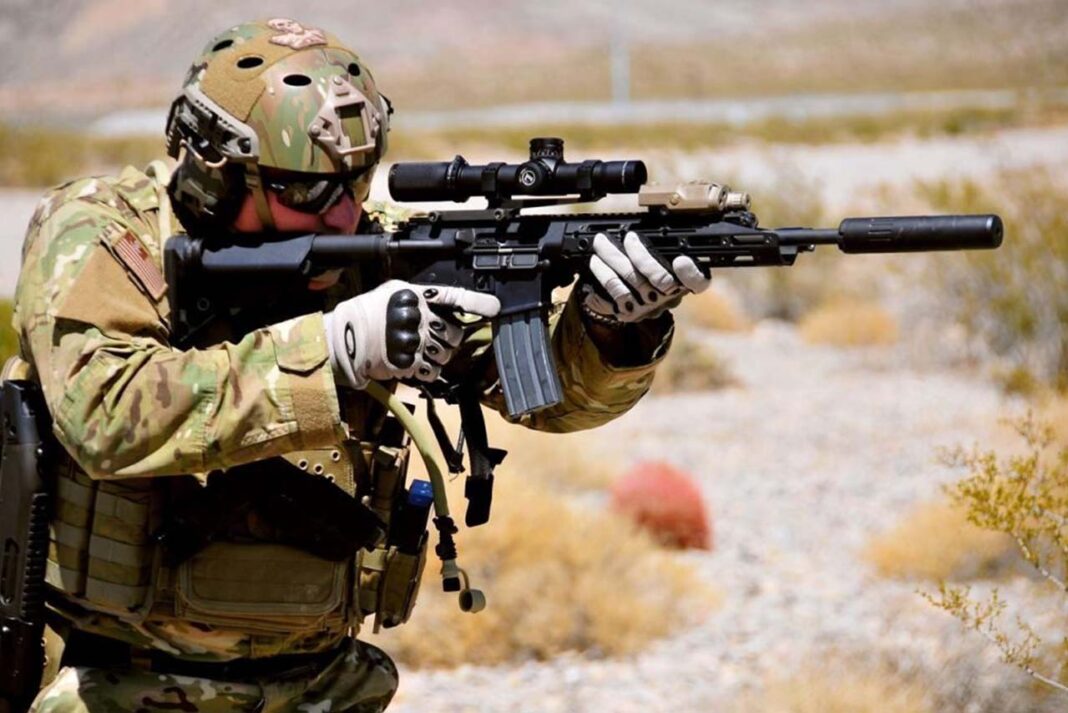

The responsibility of carrying a firearm among law enforcement personnel is not merely a physical task, but also a psychological burden that shapes their professional identity. The firearm embodies both power and threat, while the act of relinquishing it is closely linked with identity, duty perception, trauma, and post-event emotional transformation. This paper examines the psychology of weapon relinquishment within law enforcement through literature review and supports the discussion with a detailed case analysis.
Psychological Representation Of The Firearm
For law enforcement, a firearm is more than a defensive tool — it is an external expression of authority, control, and security. Through professional socialization, the weapon becomes symbolically integrated into institutional identity, representing responsibility, legitimacy of force, and competence. Literature suggests that firearms may be internalized as an “extension of the self,” merging with the officer’s perception of safety and autonomy over time (Smith, 2019).
Therefore, relinquishing a firearm is not a simple act of handing over equipment but also signifies a shift in the perception of control, power, and self-identity. Following traumatic incidents, the firearm may transform from a protective object into one associated with guilt, threat, or emotional discomfort. Weapon relinquishment thus reflects an internal negotiation, often emerging from psychological conflict, identity restructuring, and trauma-linked emotional processing.
Trauma And Occupational Strain
Law enforcement personnel frequently encounter life-threatening events, violent confrontations, casualties, and high-risk interventions. Persistent exposure triggers physiological hyper-arousal and elevates vulnerability to trauma-related symptoms. Recurrent imagery, intrusive memories, emotional exhaustion, dissociation, and sleep disturbances gradually erode psychological resilience.
Research demonstrates that post-traumatic avoidance behaviors correlate with reduced willingness to carry firearms, as the weapon itself may activate traumatic recall, guilt, or fear responses (Brown & Carter, 2020). In some cases, the firearm ceases to symbolize security and instead becomes an emotional trigger linked with traumatic memory. When stress load and burnout intensify, weapon relinquishment may serve not as a sign of weakness but as an adaptive self-preservation strategy to reduce cognitive and emotional burden.
If untreated, these symptoms can progress into functional loss, depression, deterioration in work performance, and long-term psychological impairment. Thus, trauma-weapon relationship should be evaluated not solely as pathology but also as a coping pattern within the officer’s regulatory system.
Case Analysis
K.A., a 35-year-old officer with 12 years of active duty, was involved in a close-range armed confrontation during an operation. Following the event, he developed PTSD-consistent symptoms: insomnia, nightmares, hypervigilance, and guilt. He reported increased tension when handling his service weapon and experienced somatic panic responses such as tremors and breath restriction, describing the moment as “re-entering the scene.”
Clinical evaluation indicated high trauma scores, and PTSD diagnosis was confirmed according to DSM-5 criteria. Cognitive Behavioral Therapy (CBT) was implemented, including trauma narrative reconstruction, cognitive restructuring, exposure therapy, emotion regulation, and breathing techniques. Over eight weeks, nightmares decreased, anxiety response to the weapon diminished gradually, and functional capacity improved.
Although K.A. refused to continue carrying a firearm, the decision was clinically interpreted as adaptive rather than avoidant pathology. His preference to serve in a non-firearm operational unit was accepted, supporting recovery while maintaining professional engagement. Lopez (2021) notes that relinquishment of a weapon after trauma may represent not only distress but also a restorative renegotiation of safety and identity.
Intervention And Recovery Process
During the treatment process with K.A., a structured Cognitive Behavioral Therapy (CBT) protocol was implemented, with a specific focus on cognitive restructuring of traumatic memories, controlled exposure, breathing techniques, and emotion regulation strategies. In the initial phase of therapy, it was observed that the client had difficulty engaging directly with the traumatic memory and displayed intense avoidance behaviors; therefore, the process was supported with psychoeducation, the establishment of a safe therapeutic environment, and emotional awareness exercises.
In subsequent sessions, a chronological reconstruction of the event was carried out, while guilt-oriented cognitions and thoughts such as “I could have acted differently” were addressed, and dysfunctional beliefs were restructured through evidence-based cognitive questioning.
Exposure interventions were conducted progressively: starting with brief verbal recounting of the incident, followed by controlled confrontation through audio recordings and visual materials related to the trauma. Throughout the therapeutic process, the firearm itself was conceptualized as a sensory trigger, and exposure was carried out under controlled conditions — initially through images of the gun, then through contact with empty shells and imitation firearm objects, and finally through gradual exposure to real equipment.
Breathing rhythm training, grounding techniques, and body awareness practices were incorporated into sessions to support emotional regulation. By the eighth week, a marked reduction in the frequency of nightmares was observed, along with significant improvement in sleep hygiene and daily functioning. The gradual decrease in physiological anxiety reactions (sweating, shortness of breath, increased heart rate) when exposed to the firearm indicated increased capacity for trauma processing.
These findings suggest that K.A.’s request to relinquish the firearm should not be interpreted as a sign of loss or avoidance, but rather as an adaptive coping strategy within the post-traumatic recovery process. Following therapeutic interventions, the client expressed an understanding that carrying a weapon once again evoked a sense of threat, and that distancing himself from the equipment was a deliberate choice made to protect psychological well-being. Likewise, Lopez (2021) emphasizes that relinquishing a weapon after traumatic exposure should not solely be viewed as a pathological reaction, but may represent a restorative reorganization in the individual’s meaning-making process regarding safety and control.
Conclusion
Firearm relinquishment in law enforcement should not be perceived merely as an administrative change, but as a profound psychological transition tied to self-concept and authority perception. When trauma intensifies, the firearm may shift from symbol of control to trigger of stress and vulnerability. However, psychotherapy — particularly CBT with exposure and emotion regulation — enables officers to process trauma, restructure meaning, and regain autonomy.
Institutional psychological monitoring, trauma-focused intervention programs, peer support systems, and flexible task reassignment policies may facilitate post-trauma adjustment and prevent long-term impairment. Ultimately, relinquishing a firearm can signify not loss, but transformation — a step toward healing, self-protection, and psychological integration.
References
Brown, T., & Carter, L. (2020). Trauma exposure in law enforcement: A longitudinal study. Journal of Police Psychology, 18(2), 112–125.
Lopez, R. (2021). PTSD interventions among officers: CBT and recovery patterns. Clinical Trauma Review, 7(4), 220–234.
Smith, H. (2019). The weapon and self: Identity construction in law enforcement. Behavioral Studies in Security, 14(3), 77–93.