



Understanding the emotional and social development of children requires an approach that goes beyond the verbal communication familiar to adults. Children often lack the cognitive maturity to express their fears, anxieties, or complex experiences through words. For them, play is both a natural and secure space of expression. Thus, when it comes to understanding a child’s inner world, play is not merely a form of entertainment; it is a modality ofemotional regulation, symbolic communication, and self-expression.
Experiential Play Therapy (EPT), grounded in this understanding, is shaped by the humanistic principles of acceptance, empathy, and a holistic view of the person. Developed by Byron and Carol Norton, this model offers a framework that honors the child’s internal experiences, gently invites what is ready to emerge, and supports healing through the child’s own language of play. Today, EPT is recognized as an effective method in both clinical practice and academic research for building deep therapeutic connection with children.
Core Approach Of Experiential Play Therapy
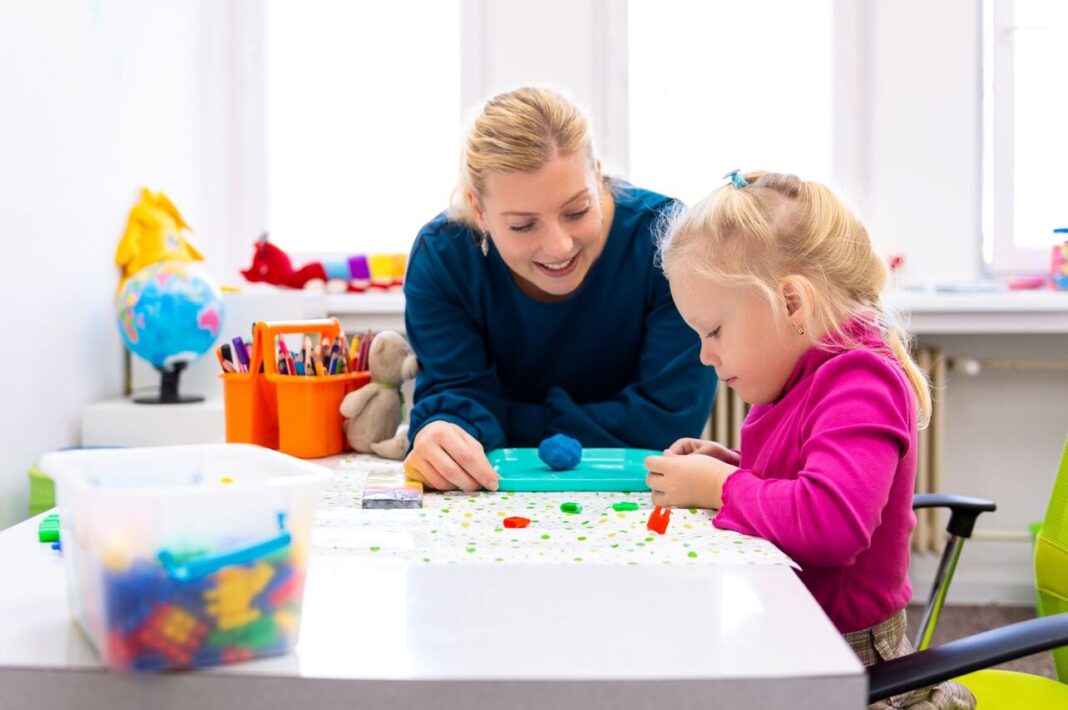
EPT allows children to express themselves naturally through play, while the therapist accompanies this process with attuned presence. Through symbols, figurines, narratives, and role-play, children externalize unconscious conflicts, anxieties, and emotional needs. Instead of directing the play, the therapist enters the child’s world—following the child’s tempo, emotional cues, and choices within the play.
Unlike behavior-oriented interventions, this approach centers not on what the child “does” but on what the child “experiences.” The therapist facilitates emotional contact by offering a nonjudgmental attitude, unconditional acceptance, and a safe container. According to the philosophy of EPT, children experience an inner integration as they play; they recognize, express, and regulate emotions. Thus, healing begins at the emotional level before any behavioral change occurs.
Experiential Play Therapy ın Child Psychology
Life events such as trauma, anxiety, school-related difficulties, adjustment problems, sibling rivalry, behavioral challenges, or family conflict often generate emotions children struggle to manage. Traditional talk therapy may be insufficient—or even pressure-inducing—for many children. For this reason, experiential play therapy stands out as a highly effective approach.
During play, children may externalize aggression through figures, enact fears in miniature settings, express anxiety through art, or reclaim a sense of control by assuming powerful roles. Throughout this process, the therapist helps the child become aware of their emotional experiences. One of the most significant contributions of EPT is that it supports the development of emotional regulation skills through direct experience.
Research in the field shows that play therapy produces meaningful improvements in children’s behavioral and emotional difficulties (Landreth, 2012). EPT aims not only to reduce symptoms but also to strengthen self-concept and enhance emotional resilience. In this regard, it offers a protective and developmentally supportive therapeutic framework.
Application Areas and Flexible Structure
EPT is a flexible model that adapts to the individual needs of each child. It is commonly used in clinical psychology settings, special education environments, school counseling, and community mental health services. It is recognized as particularly effective for children with trauma histories, those experiencing parental divorce, children with social skill challenges, or those displaying disruptive behaviors.
Therapists provide a rich play environment—including figurines, puppets, dollhouses, sand trays, art materials, and thematic toys—to facilitate self-expression. Within this space, children choose, create, repeat, and reorganize. According to the Nortons, this experiential cycle is itself the mechanism of emotional healing. Through play, children can regulate internal chaos, gain strength, and develop new coping strategies.
The therapeutic power of EPT arises from its ability to create a space that is both structured and supportive of the child’s spontaneous experience. This versatility allows the model to be applied successfully across different cultures and clinical problem areas.
Therapist–Child–Parent Collaboration
Experiential Play Therapy is not limited to the relationship between therapist and child; parent involvement is essential. Parents play a crucial role in understanding the child’s emotional world and creating a supportive home environment. Therapists guide parents in understanding the emotional themes emerging during play and in adopting attuned approaches that reinforce thetherapeutic process at home.
This collaboration enhances the child’s sense of security and ensures that therapeutic gains generalize to daily life. The holistic nature of EPT strengthens the child’s environmental support system by integrating parents into the process.
Conclusion
Experiential Play Therapy provides a natural, silent, and effective pathway into the inner world of children. Through play, emotional expression becomes possible, trauma can be reworked, relational themes emerge, and emotional regulation develops. With its humanistic foundation and experiential focus, EPT enables children to access their own healing potential. Through therapist guidance and parent collaboration, children develop psychological flexibility and strengthen their sense of emotional coherence.
References
Akın, A., & Batık, M. (2015). Play therapy in the context of child and adolescent psychology. Turkish Journal of Psychology, 30(74), 45–61.
Landreth, G. L. (2012). Play Therapy: The Art of the Relationship. Routledge.
Norton, B., & Norton, C. (2010). Experiential Play Therapy: Theoretical Foundations and Clinical Applications. W. W. Norton.