


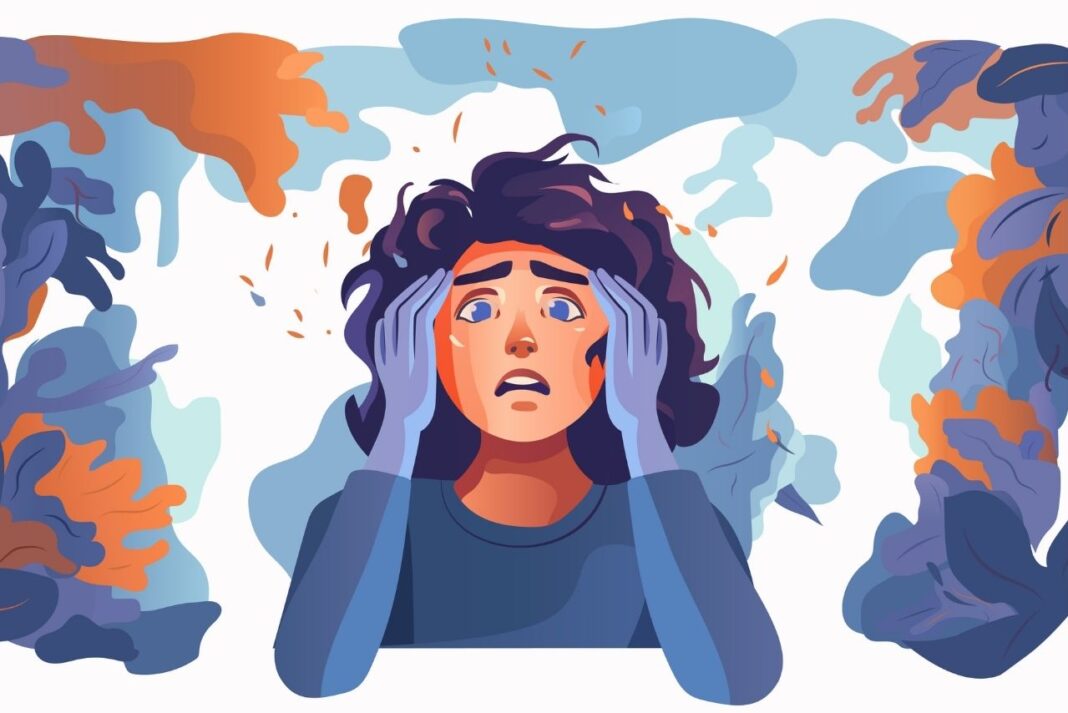

There are people who notice a word, a glance, or the energy of a room before anyone else. They tire quickly in noisy environments, feel emotions intensely, and are sometimes labeled as “too sensitive” or “overthinkers.” In reality, this is because they are Highly Sensitive Persons (HSP). And this is not a weakness-it is a unique, innate form of sensitivity. The issue is not about lacking something, but rather experiencing more. More empathy, more stimulation, more emotion.
Imagine that all your senses, along with your emotions, suddenly become heightened. Living in a world where others’ thoughts matter more, where the motivations behind people’s behavior are constantly questioned, and where even lights and sounds are perceived more intensely-that would be exhausting. Living life this way can blur the line between the inner and outer world, making it difficult to cope with daily challenges. Realizing that highly sensitive people live like this every day might help us better understand them.
What Makes HSPs Different?
-
They have a tendency to think deeply.
-
They do not stay on the surface; they analyze and seek meaning in every experience.
-
They experience sensory intensity.
-
Crowded environments can feel overwhelming.
-
They are highly empathetic.
-
They not only understand others’ feelings but often internalize them.
-
They notice subtle details.
-
They perceive changes that others often miss.
-
They have rich inner worlds.
-
They tend to express themselves through art, writing, or imagination.
How Is HSP Explained Neurobiologically?
The nervous systems of HSPs process information from the environment in greater detail than non-HSPs. Studies have shown heightened activity in brain areas associated with emotional and cognitive processing. Research also suggests that the mirror neuron systems of HSPs are more active, allowing them to more easily understand the emotions and intentions of others.
Moreover, the amygdala — the part of the brain that responds to emotional stimuli — shows greater activity in HSPs. This may explain why they react more intensely in stressful situations.
Environmental factors also influence the quality of life of HSPs. Those raised in loving and supportive environments may grow into creative and emotionally strong individuals. However, those who grow up in traumatic or stressful settings are more likely to experience anxiety, depression, or extreme introversion.
Sensitivity Is Not a Weakness, But a Subtle Awareness
This trait is often misunderstood by society. HSPs may be told things like “You’re too sensitive,” or “You take everything to heart.” In truth, they perceive both their own world and others’ at a much deeper level. This makes them more conscious, more creative, and more compassionate.
While their sensitivity can make life more challenging, it also enables them to connect with emotions easily, making them highly empathetic and often socially and emotionally intelligent. Although they may struggle within their inner worlds, they have the potential to turn this sensitivity into a strength. They are often successful in artistic fields or literature, where emotional expression and introspection are valuable.
Living with High Sensitivity Is Possible and Meaningful
For HSPs seeking to feel better and maintain balance in daily life, here are a few suggestions:
-
Learn to set mental and emotional boundaries.
-
Take time for yourself after social interactions.
-
Accept yourself without judgment.
-
Practice meditation and spend time in nature.
-
Prefer deep relationships and avoid superficial crowds.
Of course, being born with this sensitivity does not mean one is doomed to a life filled with emotional overload or confusion. Developing the skill of setting boundaries can help reduce the intensity of these experiences. Clarifying the line between what belongs to us and what belongs to others is something that can be learned later in life-carrying the emotional weight of others is not a necessity.
If you are someone who feels more deeply, it doesn’t mean you are “too much.” It means you are more attentive, more perceptive, and more emotionally aware. Seeing the world in a more colorful and meaningful way is a gift-protect it and embrace it.