
A Knot Tied in My Throat When I Think of Family: The Silent Scream of Emotional Neglect

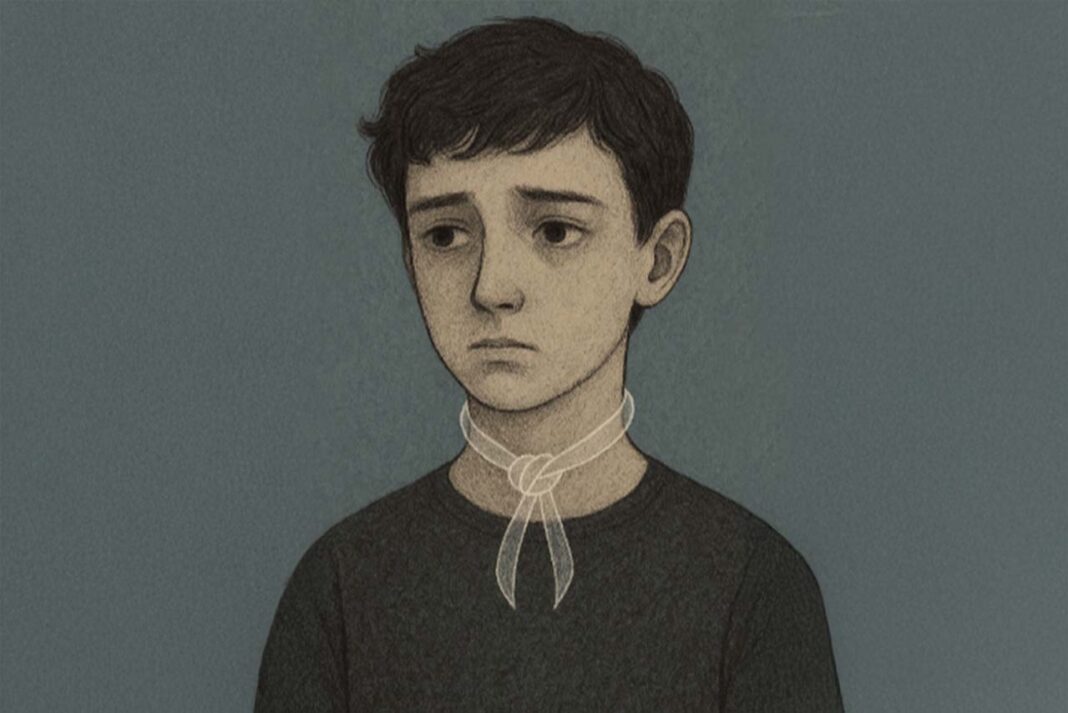
Every child longs for a home where their back is gently stroked, their tears are wiped away, and their efforts are acknowledged. In some households, there may be warm meals, plenty of clothes, and shelves full of toys and books—yet there is no emotional neglect. You feel the coldness of your mother and father… If you have siblings, you experience their lack of affection. One side feels like a cliff, the other like a fire, and the heart is left unfortunately helpless.
Childhood is a critical period in which one’s lifelong personality structure, emotional regulation skills, and attachment styles are shaped (Bee & Boyd, 2013). During this time, it is not only physical needs that must be met, but also emotional needs—for healthy psychosocial development. Yet some children grow up utterly alone, suspended between existence and absence. When the child cries, they are told “Don’t exaggerate!” When afraid, they hear “There’s nothing to be scared of!” Even when joyful, there is no one to share their excitement with. The child then comes to believe their emotions do not matter. And this plants a quiet yet lifelong wound: emotional neglect.
Emotional neglect is defined as the caregiver’s failure to see, validate, or acknowledge the child’s feelings, thoughts, and very existence (Webb, 2012). Unlike other forms of abuse, emotional neglect is often silent, invisible, and difficult to detect. The home may be physically safe, material needs may be afforded—but when love, empathy, attention, and support are absent, deep psychological scars emerge. There is food, clothing, and education… but no hugs, no eye contact, no listening to feelings, no affection, appreciation, or understanding.
Family Presence vs. Emotional Absence
Some families are “there” physically: they sit at the same table, live under the same roof. Yet the child’s fears, joys, and sadness are never asked. Their achievements have been insulted, their sorrows ignored. Slowly, the child learns: “I must not show my feelings.” In adulthood, this leaves traces—feelings of worthlessness, inner emptiness, difficulties trusting others, and a constant hunger for emotional connection. Sometimes, the deepest wounds are the ones dismissed and neglected by others.
Attachment Theory Perspective
According to Bowlby’s (1988) attachment theory, the secure bond formed with a caregiver during infancy and childhood provides the basement for lifelong emotional and social functioning. Ainsworth and colleagues (1978) proved that children who fail to develop secure attachment are more likely to form anxious or avoidant attachment styles in adulthood. Children exposed to emotional neglect often become “shadow children.” They learn not to express needs, suppress their emotions, and gradually alienate themselves from their inner and outsider world (Miller, 2014).
Psychodynamic and Schema Therapy Perspective
According to a psychodynamic lens, emotional neglect leads to deficient “internal object” representations (Fairbairn, 1952). A child deprived of love and care may come to perceive themselves as unworthy and unlovable. Afterwards in life, this often manifests as recurring relationship struggles, fear of abandonment, or emotional detachment.
From a Schema Therapy perspective, emotional neglect lays the groundwork for “emotional deprivation” and “defectiveness” schemas (Young, Klosko, & Weishaar, 2019). In therapy, the ‘’reparenting’’ techniques allow individuals to experience the emotional nurturing they missed in childhood, within the safety of rapport. Psychotherapy becomes the medium through which these wounds are addressed and reconstructed.
Cultural Dimension: The Neglect of Silent Trauma
In collectivist cultures like Turkey and Cyprus, family is at the epitome of social life (Kağıtçıbaşı, 2007). However, norms such as the “sacredness of family” or “respecting elders” may silence the child’s emotional needs. These cultural barriers make emotional neglect harder to identify and heal from. In societies where “family ties are strong,” emotional neglect is often hidden in the shadows. Criticizing one’s family is considered shameful, even disrespectful. When a child says, “They don’t understand me,” they are silenced with: “Stop being spoilt!”
Long-Term Effects
Research shows that emotional neglect is linked to depression, anxiety disorders, substance use, and relational dysfunction in adulthood (Spinazzola, van der Kolk, & Ford, 2018). The most common long-term effects include:
-
Chronic feelings of worthlessness
-
Emotional numbness (alexithymia)
-
Difficulties trusting in close relationships
-
A pervasive sense of emptiness and meaninglessness
These consequences reduce both psychological quality of life. Yet with the right support and psychotherapy, healing is possible still.
Path to Healing
Perhaps the first step toward healing is to name the experience—to acknowledge it as trauma. In psychotherapy, individuals develop emotional awareness, recognize their needs, and learn to meet them in healthy ways. Attachment-based therapies, particularly Schema Therapy, stand out as effective approaches.
Emotional neglect is a silent trauma—often overlooked, yet profoundly damaging. A child who grows up with a family present in body but absent in heart carries this emptiness into adulthood. Nevertheless, along with awareness, therapeutic support, and self-compassion, this silent cry can become the first note of healing. True presence is not mere physicality; it is the act of seeing, understanding, and validating the other’s emotions. Emotional neglect is always a wound—sometimes slow to heal, sometimes hard to amend. Yet when its voice is finally heard, transformation begins. Presence is not only being there in flesh, but also reaching the soul, hearing the feelings, and embracing them.