


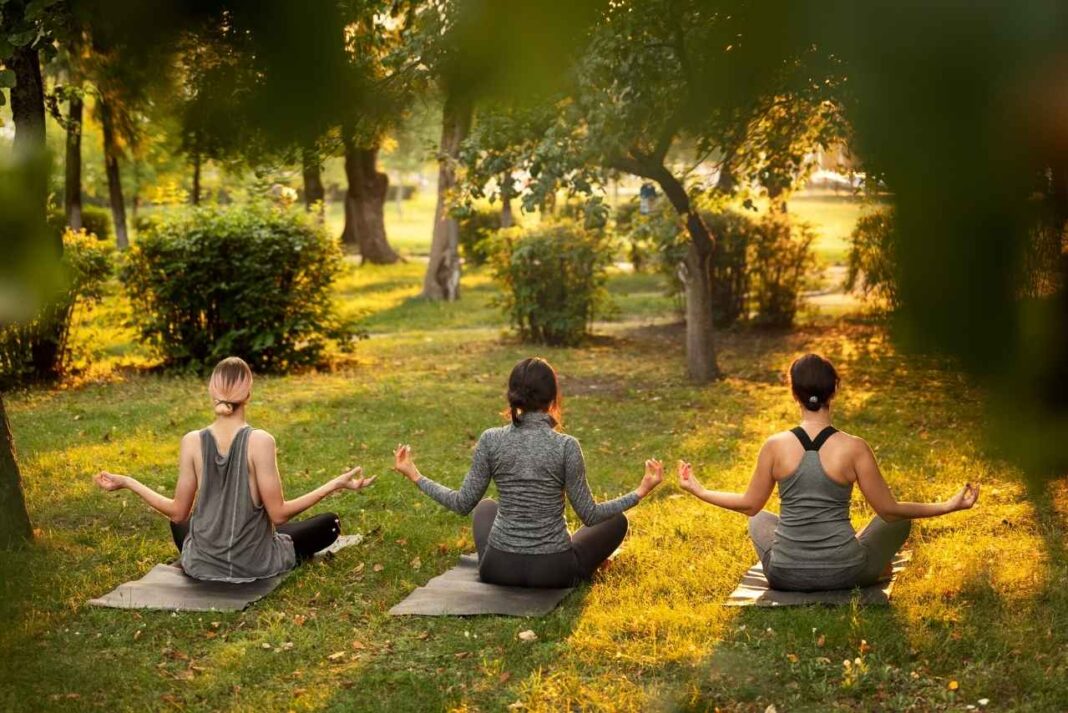

Since the earliest periods of our existence, our ancestors lived closely with nature to secure food and sustain production. Over time, with modernization and urbanization, humans’ dependence on nature has gradually decreased. In contemporary life, this connection has diminished considerably and, in densely populated cities, it is almost entirely lost. As Paul Shepard emphasizes, this disconnection from nature can be seen as a form of madness or psychological alienation. Yet the truth is that the human psyche is more expansive than the constraints of modern urban life. In his book The Voice of the Earth, Theodore Roszak argues that ecology and psychology are mutually dependent. The concept he calls the “ecological unconscious” suggests that humans can preserve their mental health and achieve freedom by reconnecting with the ancient bond they hold with nature, beyond the pressures of modern society.
Biophilia and Nature’s Healing Power
At this point, it is important to recognize the innate tendency humans have to connect with and love nature. Our identity and personal fulfillment are linked to our relationship with the natural world, and through this interaction, we experience comfort, peace, and happiness. This inclination, known as biophilia, highlights nature’s healing power and explains how we benefit from it. Unfortunately, modern life often ignores these genetic needs and instincts, limiting and undervaluing our engagement with nature. As Louv (2005) describes in his concept of “nature deficit,” a life confined to static and familiar boundaries may feel safer; some parents even perceive the natural environment as potentially threatening to their children. Raising children within these limits contradicts human nature. As Capanna (2006) illustrates, when asked to draw a chicken, a child may depict the cooked chicken on their plate rather than the live animal in a coop, clearly showing how weak their connection to nature has become. This highlights the importance of focusing on nature’s restorative qualities rather than its potential dangers.
Practical Applications of Ecotherapy
In line with this perspective, the Mind Meanwhile Wildlife Garden project in London offers a practical example (Burls & Nenato, 2025; Burls, 2007). Participants built “human nests” using natural materials. This nest metaphor aimed to remind participants that home can be found in nature and to foster a sense of belonging. Qualitative evaluations revealed that participants experienced peace, relaxation, and psychological comfort through their connection with nature. Moreover, engaging with nature enhanced their self-confidence, sense of belonging, pride, and self-esteem. Interestingly, participants also reported applying the metaphors of natural phenomena to their own lives, helping them reconcile with personal challenges.
Nature and Psychological Well-Being
These findings suggest that human interaction with nature is essential not only for survival but also for improving quality of life. In Healing with Nature in Mind, Linda Buzzell emphasizes the importance of human-nature relationships through a meaningful metaphor. According to Buzzell, humans need deep connections with their community, animals, plants, and environment to maintain well-being and happiness. While survival is possible without these connections, a sense of inner emptiness emerges, often filled in unhealthy ways. Similar to animals confined in zoos, humans in artificial and restricted environments become anxious and depressed. To reduce these destructive patterns of thought and behavior, it is necessary to overcome the artificial isolation encouraged by modern life. People who maintain strong bonds with nature tend to feel healthier and more balanced, experience lower stress and anxiety, and demonstrate increased optimism, self-esteem, and vitality. Research suggests that reconnecting with nature allows individuals to recognize themselves as part of the natural world, facilitating genuine healing.
Different Approaches in Ecotherapy
Consequently, various approaches have emerged in recent years to strengthen the human-nature connection and support physical and psychological well-being. Techniques that leverage ecotherapy and nature’s healing power to promote both human and planetary health include horticultural therapy, animal-assisted therapy, ecological dreamwork, body-based practices that cultivate connection with the inner wild, and ecospirituality. Regardless of the method, all these approaches focus on two fundamental questions: whether one lives in harmony with nature and whether one’s career and lifestyle meet innate natural needs. In short, all ecotherapy-based approaches aim to enhance life quality through the peace, calm, and restorative power provided by nature.
Cognitive and Clinical Benefits
Nature-based therapies have positive effects on cognitive processes such as attention, memory, problem-solving, and creative thinking. Studies with clinical and non-clinical populations have documented ecotherapy’s benefits for a wide range of mental health and physical health issues, including post-traumatic stress, chronic pain, anxiety, depression, and attention-deficit/hyperactivity disorder. In some cases, ecotherapy has been found as effective as Cognitive Behavioral Therapy (CBT) in reducing depressive symptoms.
Everyday Access to Nature’s Healing Power
Finally, nature’s benefits extend beyond formal therapy, demonstrating their accessibility to all members of society. Even outside clinical contexts, natural landscapes and quiet environments promote mental relaxation. For instance, walking in a shopping mall has been associated with increased stress and decreased self-esteem, whereas “green exercise” has been shown to be as effective as antidepressant treatment. Even when access to forests or natural vistas is limited, bringing nature indoors offers tangible benefits. Placing plants in offices or living spaces can enhance productivity, innovation, and creative problem-solving.
Conclusion
The profound impact of nature’s healing power highlights the value of techniques that foster human-nature relationships. Recognizing this, ecotherapy should be considered an important component of modern psychotherapy, supporting mental health and well-being.