


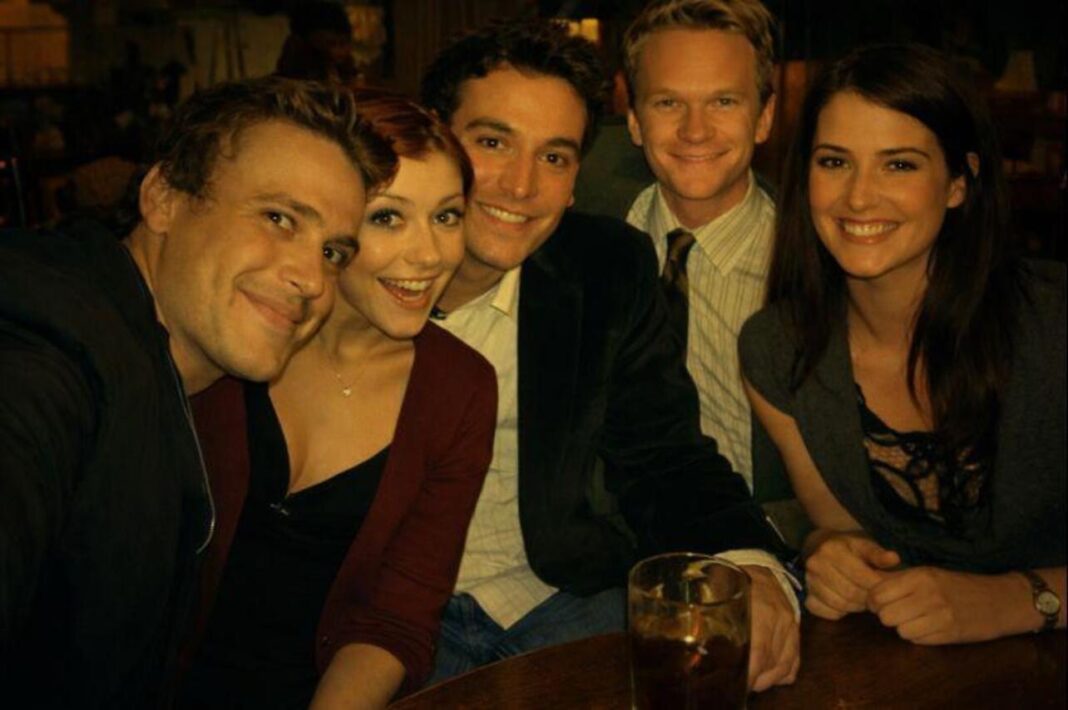

Our twenties often do not go as we imagined. In the narratives presented by popular culture, wide and unbreakable friend groups, stable careers, and rapidly resolved problems seem almost ordinary, as if they are part of the natural flow of life. Yet, real life is quite different from this idealized scenario. The twenties are a period when we learn what, how much, and how we will be tested, when we try to understand who we are, and often lose our way in this search. Sometimes we encounter a deep sense of loneliness, sometimes we feel alienated among crowds, and sometimes we have fun with those large groups of friends, but we don’t progress along a single line or with a clear sense of right and wrong. We just live and try to explore.
In fact, these experiences are not surprising; on the contrary, they are quite expected developmentally. Because these years correspond to a transitional period in which the individual steps into young adulthood, questioning, reconstructing, and trying to make sense of their identity. In this process, the individual is engaged in an intense negotiation not only with the external world but also with their own inner world. Questions like “Who am I?”, “What do I want?”, “What kind of life do I want to build?” take center stage during this period.
The psychosocial development theory offers a strong framework to understand this process. According to this approach, the individual goes through specific developmental stages throughout their life and encounters a conflict that needs to be resolved at each stage. In the period corresponding to the twenties, identity formation is at the forefront. When identity has not yet solidified, feelings of uncertainty, disarray, and occasional loneliness may arise in the individual. This situation is not a deficiency but rather a natural part of the identity construction process.
One of the most challenging aspects of this period is comparison. Especially under the influence of social media, we are exposed to carefully selected snippets of other people’s lives. It’s as if everyone has their life in order, chosen the right career, established healthy relationships, and completed their progress. This perception can lead an individual to evaluate their own life as incomplete, inadequate, or lagging behind. However, this comparison is often unrealistic; because what is seen is not the entirety of a process, but merely the showcase.
This period, referred to in the literature as the quarter-life crisis, is characterized by uncertainty, a search for direction, professional concerns, and relational questioning. The individual often tends to interpret an unclear life plan as a sign of failure. However, this chaos is an inevitable stage of development and does not indicate a permanent inadequacy.
Another important approach to understanding the 20s is to consider this period as emerging adulthood. According to this perspective, the twenties are characterized by exploration, change, and instability. Individuals try to understand who they are and what they want by experimenting with different options during this process. Therefore, changing direction, experiencing indecision, or feeling uncertainty is not a problem; it is part of the process itself.
The freedom offered by this period also creates an area of uncertainty. The opportunity to carve one’s own path can also bring anxiety in the absence of clear boundaries. Therefore, viewing your twenties as a realm of “exploration” rather than a process of “settling down” offers a more realistic approach.
So, How Can This Process Be Managed?
First of all, it is important to remember that the content encountered on social media does not reflect the whole truth. People mostly share the results; the uncertainties, anxieties, and failures experienced during the process remain invisible. Therefore, the comparisons made are often misleading.
Secondly, it is important to acknowledge that the nature of this period is based on trial and error. Changing careers, evolving ideas, making mistakes in relationships, or feeling lost; none of these are failures, but rather the building blocks of identity formation.
Finally, shifting the focus from others’ lives to our own inner values significantly reduces the pressure created by this period. Each individual’s life rhythm, experience, and timeline are different. This difference is not a deficiency, but the essence of individuality itself.
In short, the chaos experienced in your 20s is not a sign of failure, but a natural process where identity is formed, direction gradually becomes clear, and the foundations of life are laid. During this period, sometimes feeling lost, lonely, or indecisive; it is not that something is going wrong, but rather that things are progressing exactly as they should.