


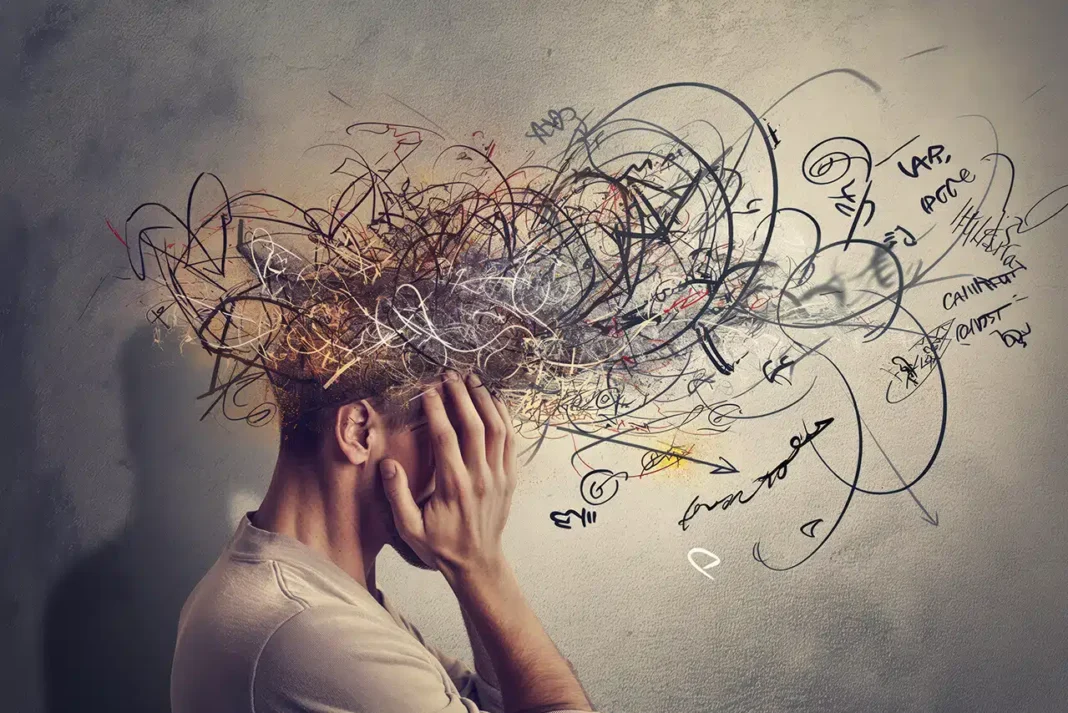

Traces in the Subconscious: The Impact of What We Don’t Remember on Our Behavior
Books, movies, TV shows, or even images we glance at that leave a mark on us… Many of them seem to vanish from our memory over time. Yet, traces of them persist in our behavior, preferences, and ways of thinking. These experiences, which appear to be absent from our conscious memory, create a kind of “background effect” that influences our actions—explained by a concept known as implicit memory.
Neurologically, memory is divided into two basic categories: explicit and implicit. Explicit memory includes conscious recall, such as remembering events or learned information. Implicit memory, on the other hand, involves learning that affects us even when we don’t remember it (Korkmaz, n.d.). For example, even if we forget how much a movie influenced us, its symbolic impact may still shape a decision we make later in life—this is the result of implicit memory.
Psychological Dimension: The Priming Effect
In psychology, the concept of priming is considered one of the core mechanisms behind this process. Priming refers to how prior exposure to a stimulus can unconsciously affect our later responses (Psychology Dictionary). For instance, feeling more uneasy at night after watching a dark, suspenseful film, or interacting more warmly with others after reading an uplifting story…
This effect can be explained through the permanent traces formed in different memory regions of the cerebral cortex. What we read, see, or watch not only provides us with information but also shapes an “affective” layer that influences our worldview (Duman & Can, 2023). It is not a coincidence that, after reading a dystopian novel, we might become more inclined to believe in bleak scenarios about the future. These emotional traces operate beneath awareness—an unconscious layer shaping Emotions.
Neurological Dimension: The Mind’s Eye and Memory Network
Remembering is not solely a backward-looking process. Memory is also an active mental simulation tool that shapes the future. The brain uses learned experiences to make predictions, decisions, and imagine what lies ahead. This is referred to as the “Mind’s Eye.” The concept suggests that the brain goes beyond stored information to construct mental imagery, showing that memory is not just a storage system but also a creative and predictive function.
Neurobiological studies have shown that the interaction between the prefrontal cortex and the hippocampus enables the brain to reconstruct past memories and make mental projections about the future (Kurada, 2024). Brain stimulation research conducted during language processing also indicates that texts can influence decision-making processes, even when they are not consciously remembered. In other words, every encounter we have with language and meaning draws a path on our inner map of the future—quietly shaping the Self.
Göksel’s (2025) concept of “leaking memory” points to the societal dimension of this process: phenomena that seem erased from collective memory may resurface in different symbolic forms or behavioral patterns. This shows that both individual and collective identity formation involves more than just memory itself: the future is shaped by the silent echoes of the past.
Books, Films, and the “Living Memory”
For example, even if we forget the details of dystopian novels like 1984 or Fahrenheit 451, the essence of these books lives on in our concerns about freedom and surveillance. A small scene from a childhood movie might form the basis of a moral choice we make as adults. A film watched in early childhood and later forgotten might subtly influence our fears or fixations in adulthood. This shows that memory is not just something remembered; it is a process that lives and makes us live.
Even Forgetting Has a Memory
In our daily lives, everything we think we’ve forgotten is actually still living with us somewhere inside. This inner archive, which goes beyond what we consciously recall, constructs the mental and emotional fabric of who we are. This is where the “unknown influence” of books, movies, or images reveals itself: even forgetting has a memory. And as we move forward, these silent traces strengthen Resilience by quietly guiding how we adapt, protect ourselves, and understand the world.
References
Duman, F., & Can, H. (2023). A Review of the Relationships Between Subjective Memory Complaints and Cognitive Functions in Advanced Adults. Turkish Psychological Articles.
Göksel, U. G. (2025). Leaking Memory, Remembering the Local. Reflective Magazine.
Korkmaz, Ö. (n.d.). Brain, Memory, and Learning.
Kurada, H. Z. (2024). Brain Stimulation in Semantic Studies: A New Perspective. Language Journal.
Psychology Dictionary. (n.d.). Priming Effect.