



1. Introduction: A Story Beyond Seizures
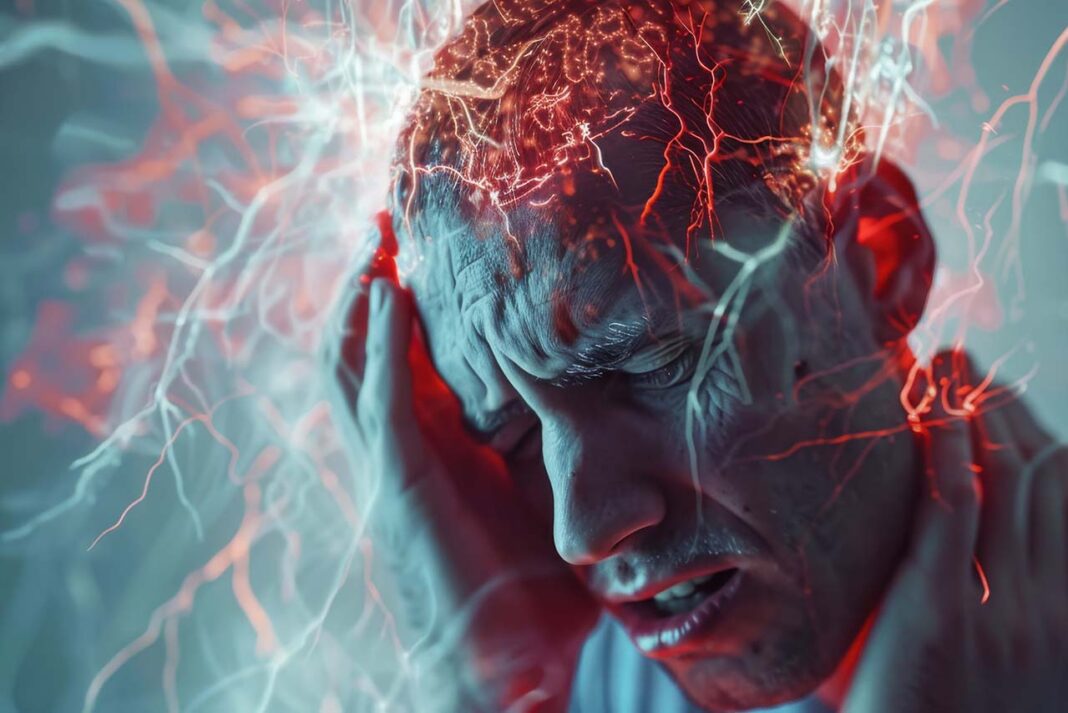
A child suddenly collapses in the classroom. Convulsions follow. The teacher calls emergency services in a panic. “An epileptic seizure,” they say, and it’s added to the medical file. Months pass. The seizures become rare—but something else begins. Strange fears, social withdrawal, a blurred line between reality and imagination… The parents say, “It’s like our child is slipping away.” And most of the time, the answer is vague: “It might be psychological.” But there’s a new reality now. Even the name is new: Elize Synaptospectral Disorder Spectrum—E_SBS for short. A neuroimmunological storm, at the crossroads of epilepsy and psychosis. Today, I invite you to the eye of that storm. Because this silent scream must finally be heard.
2. Epilepsy: The Truth We Think We Know
Most people know epilepsy as “seizure disorder”—the dramatic scenes of shaking limbs and rolled-back eyes. But sometimes, epilepsy is just a moment of zoning out. A few seconds of confusion. An odd, inexplicable smile. At its core, epilepsy is caused by abnormal, excessive electrical discharges in the brain. But these “discharges” don’t only affect motor functions. Emotions, memory, and thought patterns—these can all be impacted. So what if this electrical chaos also brings emotional and cognitive storms? This is where Elize comes in.
3. Elize Syndrome: Between Epilepsy and Psychosis
Elize Synaptospectral Disorder Spectrum (E_SBS) is a complex, multi-system neuropsychiatric syndrome in which epileptic seizures and psychotic episodes occur together or sequentially.
What’s the Scientific Basis?
Three main mechanisms play a role in E_SBS:
• Dysfunction in synaptic proteins
• Neurotransmitter imbalances (dopamine, glutamate, GABA, etc.)
• Immunological dysregulation and autoimmune responses
These mechanisms disrupt synaptic communication in key brain areas such as:
• Temporal lobe (memory and auditory processing)
• Limbic system (emotional regulation)
• Prefrontal cortex (decision-making, impulse control)
The result: Seizures + Psychosis + Cognitive confusion + Emotional outbursts.
4. Why Is It More Common in Youth?
Elize Syndrome can occur at any age, but is most commonly seen in individuals between 4–17 years old.
Why?
• Neuroplasticity: The brain is still developing, and synaptic structures are more vulnerable.
• Immune fragility: Viral infections (especially HSV-1, COVID-19) can trigger neuroinflammation.
• Hormonal shifts: Puberty alters immune balance and neurotransmission.
In short, Elize knocks when the brain is most defenseless.
5. Silent Screams: Symptoms and Examples
One striking feature of Elize Syndrome is the variability and confusion of its symptoms.
Typical Symptoms
• Sudden epileptic seizures
• Hallucinations (visual or auditory)
• Temporary personality changes
• Agitation and panic-attack-like episodes
• Concentration difficulties and dissociation
• Episodes of detachment from reality
• Talking during sleep, night terrors
Case Study: “Bade’s Story”
10-year-old Bade began showing strange behaviors three months after a respiratory infection.
First came brief staring spells. Then visual hallucinations. Then waking up screaming at night.
Initial diagnosis: “Simple partial epilepsy.” EEG was normal. Antiepileptic treatment began—but symptoms persisted. Then came a diagnosis of “childhood psychosis.” Nothing worked—until anti-NMDA receptor antibodies were found.
Diagnosis: Elize Syndrome. After immunotherapy, significant improvement was observed.
6. Diagnostic Challenges: What’s Happening to These Children?
E_SBS is one of the most misdiagnosed conditions in neuropsychiatry.
Common Misdiagnoses:
• Relying only on EEG to diagnose epilepsy
• Attributing psychiatric symptoms to “puberty” or “attention-seeking”
• Treating only with psychotherapy
• Ignoring the role of the immune system
Essential Diagnostic Tools
• Detailed EEG (including sleep EEG)
• QEEG (quantitative EEG under provoked conditions)
• MRI and fMRI
• Antineuronal antibody testing (anti-NMDA, GAD65, AMPAR, etc.)
• CSF analysis
• Neuropsychiatric evaluation
Diagnosing E_SBS is like solving a puzzle—every piece matters. Without collaboration between pediatric neurologists, child psychiatrists, and immunologists, the picture remains incomplete.
7. Treatment: Beyond Antiepileptics
Treating E_SBS requires more than just antiepileptic drugs. Because the core issue isn’t just seizures—it’s immune-mediated synaptic dysfunction.
Treatment Components
• Antiepileptic drugs (e.g., valproate, levetiracetam)
• Elize’Y Protocol (rTMS therapy designed for synaptic modulation)
Immunotherapies:
• Corticosteroids
• IVIG (intravenous immunoglobulin)
• Plasmapheresis
• Monoclonal antibodies like Rituximab
Psychiatric support:
• Low-dose antipsychotics for hallucinations/agitation
• Cognitive-behavioral therapy (CBT)
• Family counseling
8. Elize in School and Society: The Invisible Barrier
These children are often labeled “naughty” at school, “stubborn” at home, or “weird” in social settings.
But the truth is: their brains are under siege.
For Teachers
• Don’t label a child who suddenly zones out.
• Offer short breaks to those with attention issues.
• When a child becomes aggressive, ask “what happened?”—not “what’s wrong with you?”
For Parents
• Keep a log of behavior changes.
• If you ever say “This is not our child,” seek expert help.
• Always consult both a neurologist and a psychiatrist.
9. Why “Elize”? The Name Behind the Syndrome
“Elize” has Latin roots, meaning “divine promise” or “hidden, protected.” In Turkish, “Yeliz” means “precious, luminous, sacred.” The name was chosen intentionally—because these children are hidden miracles, waiting to be seen and understood.
10. Conclusion: More Than a Syndrome
Elize Syndrome is not just a medical term—it’s a paradigm shift.
• We now view epilepsy not just as a motor disorder, but as a cognitive-emotional fracture.
• We reinterpret psychiatric symptoms not as “mood disorders,” but as part of a neuroimmune cascade.
• And most importantly, we learn to listen to children more closely.
Final Thoughts: Hearing the Silent Storm
Elize Synaptospectral Disorder Spectrum is more than a diagnosis. It’s the intersection of science and empathy, data and intuition, mind and compassion.
It reminds us:
The brain is not just an organ—it is a universe. And each spark within that universe affects not only synapses, but hopes, relationships, and lives.
This is not only the duty of neurologists or psychiatrists. It’s the responsibility of teachers, parents, society – and even governments. Because Elize is not just a label. It is a cry we often overlook.
Every child labeled “naughty,” every vacant stare, every puzzling behavior—may be whispers of Elize. The earlier we hear them, the fewer children we lose.
I wrote this not just to inform, but to awaken. Because saving a child’s mind is the greatest revolution of all. Because knowing can sometimes be more powerful than medicine.
And most of all, Because to know Elize is to dare to truly understand humanity.