
How Colors Control Our Lives

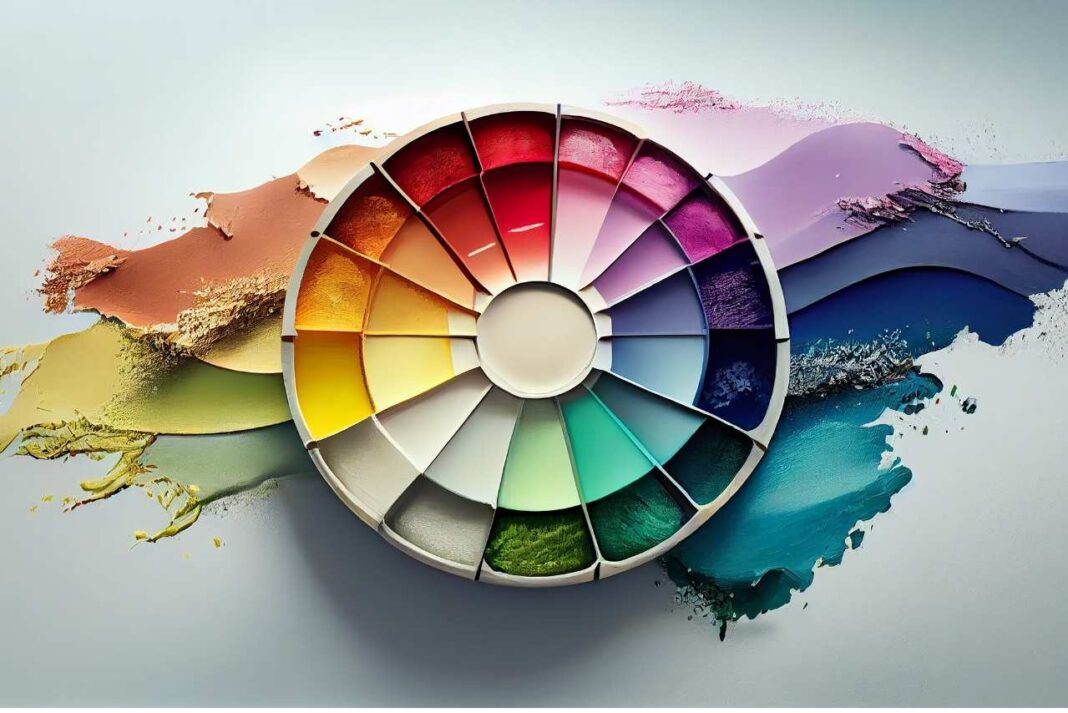
Color has a remarkable ability to influence nonverbal communication, mood regulation, and decision-making.
Beyond psychological responses, research has even linked certain colors to physiological changes such as increased blood pressure, eyestrain, and metabolic rate.
Colors play a silent yet powerful role in shaping our preferences and perceptions.
The colors we choose—what we wear, what we buy, how we decorate our homes—are deeply tied to our emotions. For instance, someone might choose a car color that feels sporty, modern, or reliable, or paint a bedroom light blue to create a calming and peaceful atmosphere.
What Is Color Psychology?
Color psychology is the study of how different colors affect human emotions, thoughts, and behaviors.
It explores how color perception is shaped not only by biology but also by age, culture, and personal experience.
While many color meanings are universal—because of how certain wavelengths affect the brain—others are culturally influenced or linked to childhood memories.
This is why the same color can evoke comfort in one person and discomfort in another.
Ultimately, there is a strong and often unconscious relationship between color and emotion, making color psychology a key area of interest in both design and mental health.
The Psychological Effects Of Color
Although color perception is somewhat subjective, some effects appear to be universal.
Historically, colors have been used to influence emotions, treat illnesses, and enhance spiritual experiences.
-
Warm colors (red, orange, yellow) tend to evoke energy, warmth, and excitement, but can also trigger anger or restlessness.
-
Cool colors (blue, green, purple) often promote calmness, serenity, and relaxation, yet sometimes lead to melancholy or detachment.
Color influences how we think, feel, and act.
Whether learned through experience or embedded in our biology, colors shape our psychological landscape—we don’t just see colors, we feel them.
Symbolic Meanings Of Common Colors
-
Red: love, passion, energy, danger
-
Pink: kindness, gentleness, affection, calm
-
Purple: mystery, luxury, creativity, royalty
-
Blue: wisdom, peace, hope, sadness
-
Green: nature, renewal, balance, relaxation
-
Yellow: happiness, optimism, caution, hope
-
Orange: enthusiasm, creativity, joy, warmth
-
White: purity, simplicity, honesty, minimalism
-
Black: power, mystery, sophistication, mourning
These associations can vary, but they form the emotional vocabulary of color across different contexts—marketing, fashion, art, and design.
Cultural Aspects Of Color Perception
Color meanings can shift dramatically across cultures.
In Western societies, white often represents purity and innocence—for example, in wedding dresses.
In contrast, in many Eastern cultures, white symbolizes mourning and death.
Similarly, while red is associated with love and passion in most Western contexts, it symbolizes luck and prosperity in Chinese culture.
These variations reveal how personal experience and collective tradition shape our responses to color.
Can Color Influence Performance?
Yes—numerous studies suggest that color affects productivity and performance.
Workplaces often use neutral or cool tones like gray, blue, or beige because they help employees focus and stay calm.
In contrast, creative industries such as fashion, advertising, and design often embrace vibrant hues to stimulate imagination and enthusiasm.
Thus, the right color environment can enhance both cognitive function and emotional balance.
The Effect Of Color On Consumer Behavior
Color psychology plays a major role in marketing and consumer choice.
Different colors can influence how we feel about a brand or product, even before we consciously process the information.
For example:
-
Red can create urgency, often used in clearance sales.
-
Blue conveys trust and reliability, common in corporate logos.
-
Green evokes health, balance, and nature, frequently used by eco-friendly brands.
Age, gender, and cultural background also shape our color preferences.
From the clothes we wear to the cars we drive, our color choices silently communicate how we wish to be perceived.
Conclusion
Color profoundly affects emotion, behavior, and perception, yet its influence depends on a mix of social, cultural, and personal factors.
As color psychology becomes more integrated into marketing, art, fashion, architecture, and mental health practices, ongoing research is crucial to deepen our understanding of how color truly shapes the human experience.
In the end, colors are more than what we see—they are the emotional language of life itself. 