



Introduction
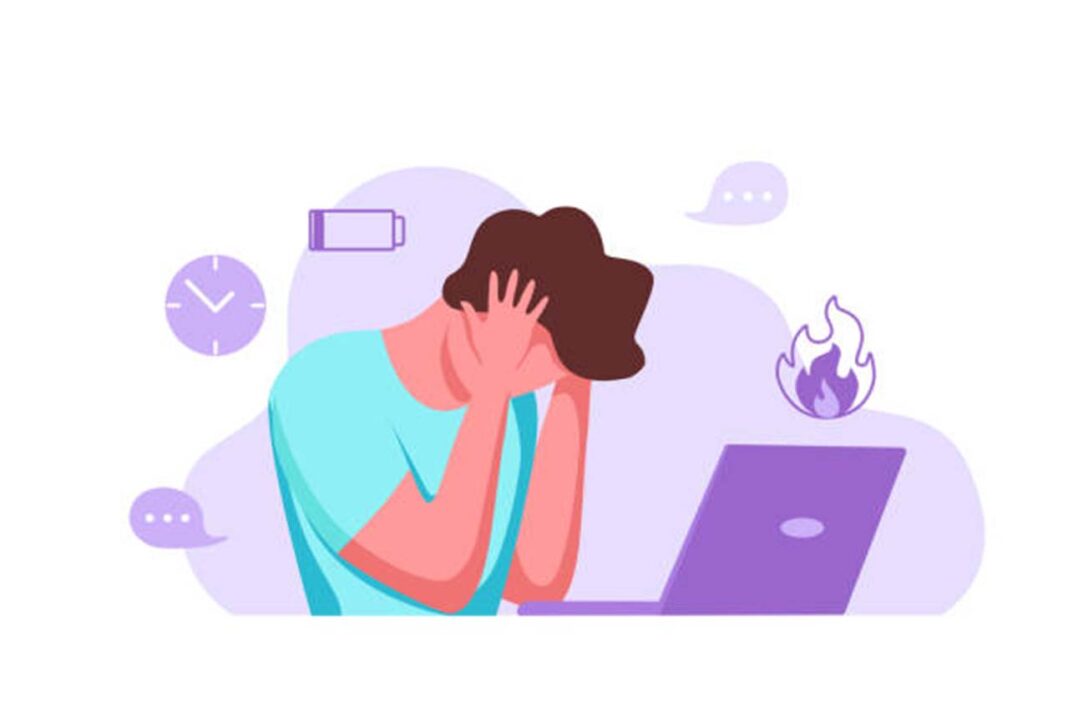
The concept of “burnout” has long been associated primarily with the adult working population, yet recent research reveals that similar symptoms are increasingly observed among younger generations. Generation Z (born 1997–2012), raised alongside digital technology, experiences a unique life shaped by rapidly changing world dynamics, uncertain economic conditions, and social media pressures. The fact that this generation exhibits signs of burnout even before fully entering the workforce has made the topic a significant area of study in contemporary psychology. Burnout is not merely an individual “fatigue” but a societal indicator reflecting the mental and emotional burdens of modern life.
Development
According to Maslach and Jackson (1981), burnout is defined by three dimensions: emotional exhaustion, depersonalization, and a reduced sense of personal accomplishment. Traditionally examined in the context of work, burnout has recently begun to manifest differently among youth. Generation Z burnout emerges from intense stress caused by academic pressure, the expectation to constantly be productive, and the demands of a fast-paced culture from an early age. Twenge (2017) emphasizes that increasing anxiety, fear of failure, and loss of control among today’s youth are directly related to digital environments.
The visibility and constant comparison inherent in the digital world are key factors triggering burnout in Generation Z. Social media platforms present “ideal” lifestyles, success stories, and flawless images, creating unrealistic standards that undermine self-esteem. This leads individuals to constantly feel inadequate, increasing performance pressure and deepening emotional exhaustion over time (Fardouly & Vartanian, 2016). Thus, digital culture not only reflects burnout but actively contributes to its development.
Economic and societal uncertainties are also significant sources of burnout. Generation Z encounters unemployment, low income, and insecure work conditions after completing their education. The World Health Organization (WHO, 2019) highlights that uncertainties in the modern job market increase the risk of chronic stress in young adults. The loss of a sense of control fosters feelings of helplessness and purposelessness, raising the likelihood of experiencing burnout earlier.
The COVID-19 pandemic has been another critical factor that made burnout more visible among youth. Studies show that the pandemic caused social isolation, loss of motivation, and academic disruption, increasing burnout levels among young adults (Son et al., 2020). Remote learning, screen dependency, and disrupted routines weakened Generation Z’s emotional resilience and amplified the need for psychological support.
Burnout in Generation Z arises not only from external pressures but also from internal expectations. Many young individuals exhibit patterns of perfectionism, an urge for instant results, and excessive self-imposed demands. This creates a gap between personal capacity and expectations, paving the way for emotional exhaustion. Maslach and Leiter (2016) argue that burnout should not be viewed solely as an individual issue but as a phenomenon connected to structural features of the environment. From this perspective, the burnout experienced by Generation Z emerges as a natural outcome of technological, economic, and social conditions.
Psychologically, young people experiencing burnout commonly present with chronic fatigue, lack of motivation, heightened anxiety, sleep disturbances, and decreased drive. If left untreated, these symptoms may evolve into depression, anxiety disorders, or social withdrawal. Twenge (2017) notes that Generation Z shows higher psychological sensitivity compared to previous generations, making burnout more widespread. Early recognition and intervention are therefore critical for long-term mental health.
Conclusion
Burnout in Generation Z should not be viewed as a personal weakness but as a structural issue arising from modern life, digital culture, and uncertain economic conditions. Solutions should extend beyond individual awareness, incorporating support from educational institutions, families, government policies, and the workforce. Strengthening guidance services in schools, expanding psychological support programs for youth, and enhancing digital media literacy can help reduce burnout risk.
At the individual level, strengthening social support networks, developing balanced digital usage habits, practicing mindfulness, and seeking professional help when necessary are important steps. The burnout experienced by Generation Z directly impacts future societal health, making holistic and sustainable solutions imperative.
References
Fardouly, J., & Vartanian, L. R. (2016). Social media and body image concerns: Current research and future directions. Current Opinion in Psychology, 9, 1–5. https://doi.org/10.1016/j.copsyc.2015.09.005
Maslach, C., & Jackson, S. E. (1981). The measurement of experienced burnout. Journal of Occupational Behavior, 2(2), 99–113.
Maslach, C., & Leiter, M. P. (2016). Burnout: A multidimensional perspective. In C. L. Cooper & J. C. Quick (Eds.), The handbook of stress and health (pp. 155–168). Wiley-Blackwell.
Son, C., Hegde, S., Smith, A., Wang, X., & Sasangohar, F. (2020). Effects of COVID-19 on college students’ mental health in the United States. Psychiatry Research, 287, 112934. https://doi.org/10.1016/j.psychres.2020.112934
Twenge, J. M. (2017). iGen: Why today’s super-connected kids are growing up less rebellious, more tolerant, less happy—and completely unprepared for adulthood. Atria Books.