
A Clinical Perspective on Sound Aversion: Misophonia Is Not an Exaggeration, but the Brain’s Alarm

What Is Misophonia?
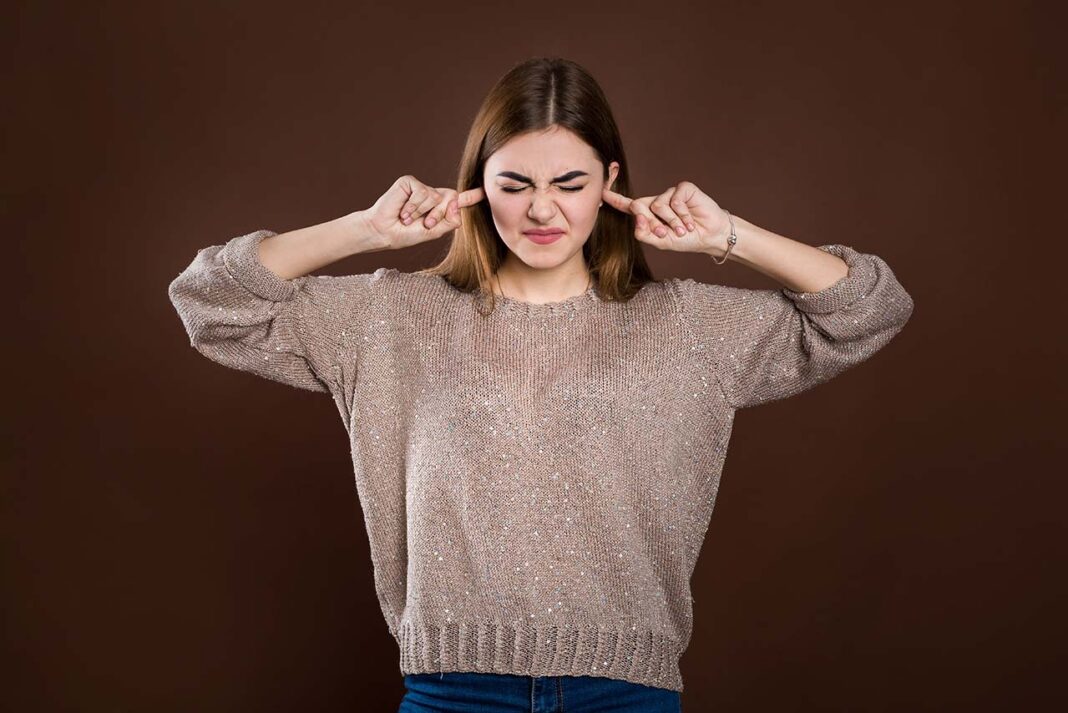
Have you ever felt unbearable discomfort from sounds like eating, coughing, or sniffing? For some people, these are merely background noises, but for others, they can become a source of intense distress (Schröder et al., 2019). Sudden waves of anger, panic, or discomfort triggered by seemingly mundane sounds such as chewing, swallowing, or breathing are often misinterpreted. Many individuals facing this struggle are told they’re overreacting, being overly sensitive, or even childish.
In reality, this condition—known as misophonia—is a serious experience. The term comes from the Greek words for “hatred” (miso) and “sound” (phonia). Individuals with misophonia may experience emotional outbursts, the urge to flee, physiological symptoms such as heart palpitations or sweating, and intense irritation directed at the source of the sound. The condition may co-occur with various psychopathologies, including anxiety, depression, or obsessive-compulsive tendencies (Ferrer-Torres & Giménez-Llort, 2022).
Despite being relatively common and significantly affecting quality of life, misophonia remains poorly understood by the general public. It has not yet been classified as an independent disorder in the DSM-5, largely due to a lack of standardized diagnostic criteria. Nonetheless, many clinicians conceptualize it within the framework of obsessive-compulsive spectrum disorders, anxiety disorders, or sensory processing sensitivities.
Could Brain Differences Be Responsible for Misophonia?
Recent neuroimaging studies indicate that misophonia is not simply an emotional reaction, but a condition with measurable brain-based differences. In a landmark 2017 study, Kumar and colleagues used functional magnetic resonance imaging (fMRI) to examine neural activity in individuals with misophonia.
Their findings revealed increased myelination (a fatty substance that insulates nerve fibers) and hyperactivation of the anterior insula—a brain region involved in processing emotions such as anger, disgust, and threat perception. These results provide strong evidence that misophonia is a neurobiological condition. The anterior insula’s heightened activity suggests that certain sounds may trigger the brain’s alarm system, perceiving them as emotionally threatening (Kumar et al., 2017).
In essence, misophonia is not a matter of personal intolerance or exaggerated annoyance—it is a form of heightened neural sensitivity to specific sounds.
What Therapeutic Interventions Are Used for Misophonia?
Misophonia frequently co-occurs with conditions such as ADHD, OCD, anxiety, and depression. These comorbidities can exacerbate the emotional and behavioral responses to trigger sounds and significantly impair day-to-day functioning (Rinaldi & Simner, 2023).
To help individuals manage these challenges, several therapeutic interventions have been developed—most notably, Cognitive Behavioral Therapy (CBT). The goal of CBT for misophonia is to alter both the automatic reactions to trigger sounds and the underlying thought patterns associated with them.
Treatment may involve:
-
Identifying and challenging automatic thoughts that arise in response to specific sounds
-
Restructuring core beliefs and attitudes related to sound sensitivity
-
Emotion regulation strategies to reduce anxiety and irritability
-
Exposure therapy, which involves gradual, controlled exposure to triggering sounds
-
Relaxation techniques, such as breathing exercises and progressive muscle relaxation
From a clinical psychology standpoint, misophonia is generally conceptualized as a learned response, often reinforced over time due to an underlying neuropsychological sensitivity. Importantly, because the presentation of misophonia varies widely among individuals, therapeutic approaches must be individualized to address each person’s unique triggers and psychological profile.
Conclusion
Misophonia is far more than an everyday irritation—it is a measurable mental and neurological process. While often minimized or misunderstood by society, it can have a profound impact on a person’s mental health, emotional regulation, and social relationships.
People suffering from misophonia may withdraw from social settings, avoid specific environments, or struggle to meet personal and professional obligations. When the brain interprets these sounds as threats, its response—whether emotional or physical—is both real and valid. With the appropriate therapeutic support, individuals can learn to understand and regulate their reactions, ultimately improving their quality of life.
To truly understand people with misophonia, we must look beyond the sounds that irritate us and begin listening to the inner experience of those whose brains are constantly on high alert.
References
Ferrer-Torres, A., & Giménez-Llort, L. (2022). Misophonia: A systematic review of current and future trends in this emerging clinical field. International Journal of Environmental Research and Public Health, 19(11), 6790. https://doi.org/10.3390/ijerph19116790
Kumar, S., Tansley-Hancock, O., Sedley, W., Winston, J. S., Callaghan, M. F., Allen, M., Cope, T. E., Gander, P. E., Bamiou, D., & Griffiths, T. D. (2017). The brain basis for misophonia. Current Biology, 27(4), 527–533. https://doi.org/10.1016/j.cub.2016.12.048
Rinaldi, L. J., & Simner, J. (2023). Mental health difficulties in children who develop misophonia: An examination of ADHD, depression & anxiety. Child Psychiatry & Human Development. https://doi.org/10.1007/s10578-023-01569-y
Schröder, A., Van Wingen, G., Eijsker, N., Giorgi, R. S., Vulink, N. C., Turbyne, C., & Denys, D. (2019). Misophonia is associated with altered brain activity in the auditory cortex and salience network. Scientific Reports, 9(1). https://doi.org/10.1038/s41598-019-44084-8