


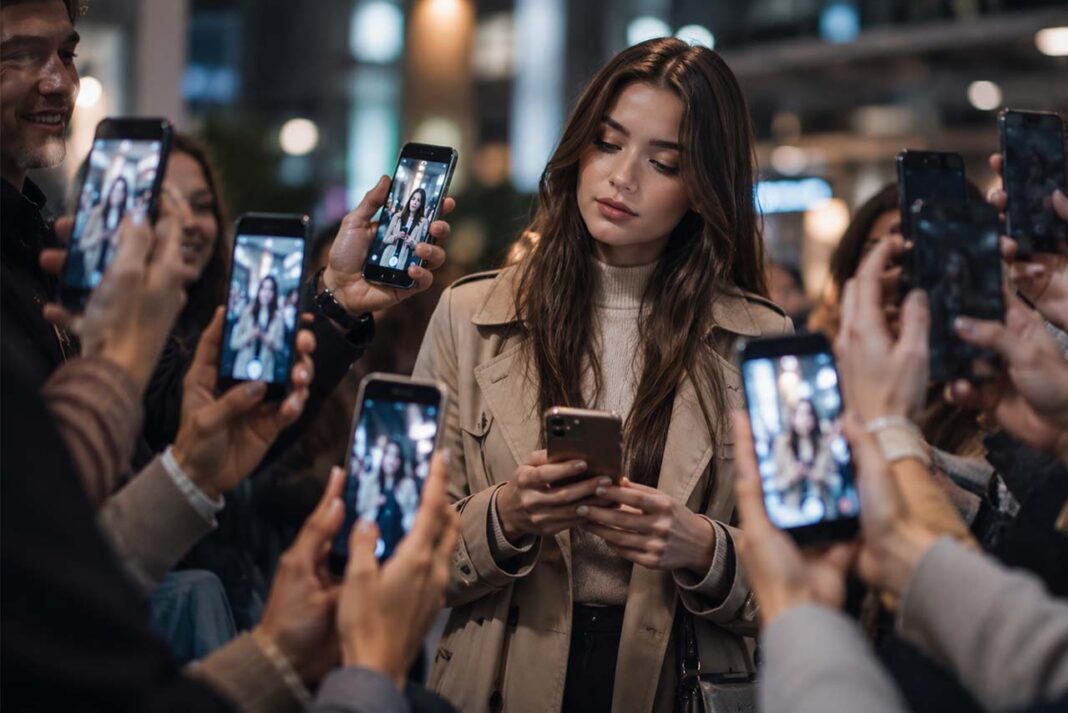

In the past, people’s social status was largely evaluated based on their level of education, profession, economic conditions, or the material resources they possessed. Today, however, remarkable changes have emerged in the perception of status due to the influence of the digital world. With social media platforms becoming a central part of daily life, being visible, being followed, and receiving attention have become valuable for many individuals. Some people now perceive the number of followers they have, the messages they receive, or the level of engagement on their profiles as indicators of social success. But why has receiving attention become so important? How do digital environments influence our psychological needs?
The Psychological Need For Visibility And Approval
Human beings are inherently social creatures. Feeling accepted, experiencing a sense of belonging, and perceiving oneself as valuable are among our fundamental psychological needs. Throughout history, these needs have facilitated life within communities and strengthened social bonds. However, with technological advancements, the ways in which these needs are fulfilled have begun to change.
Social media platforms provide individuals with the opportunity to reach large audiences within a very short period of time. The likes a photo receives, the comments on a post, or incoming messages can create a sense of social visibility. Particularly among young adults, follower counts, engagement rates, and online popularity are sometimes perceived as indicators of an individual’s social value.
At the core of this phenomenon lies the need for social approval. People naturally care about how others evaluate them. Social media transforms these evaluations into measurable numbers. The number of likes, followers, and comments can be monitored instantly, leading individuals to assess social acceptance through numerical indicators (Nesi et al., 2018).
However, it is important to distinguish between receiving attention and forming genuine connections. Having hundreds of followers or communicating with many people online does not necessarily mean that an individual has strong social relationships. Research suggests that while social media use can enhance feelings of connection for some individuals, it may also increase feelings of loneliness and inadequacy in others (Twenge & Campbell, 2019).
Digital Relationships And External Validation
Another advantage offered by digital environments is the opportunity for low-risk communication. In face-to-face interactions, the possibility of rejection, criticism, or disappointment can be more evident. In contrast, online communication allows individuals to express themselves more selectively, end interactions when desired, and highlight specific aspects of their identity. For this reason, digital relationships may feel safer for some people.
On the other hand, the desire to continuously receive attention from new people may not always stem from a need for social interaction. In some cases, it may reflect an attempt to maintain self-esteem through external validation. When individuals do not feel sufficiently valuable, they may seek to compensate for this by obtaining attention and approval from others.
However, when self-worth becomes entirely dependent on external validation, psychological well-being may become fragile. Attention in the digital world is often temporary and unpredictable. A post that receives significant engagement today may receive little attention tomorrow.
Furthermore, visibility on social media often reflects only selected fragments of real life. People generally share their achievements, happy moments, and positive experiences. As a result, others may perceive these lives as more exciting, successful, or meaningful than their own. Increased social comparison can consequently reduce life satisfaction and self-esteem (Vogel et al., 2014).
When Attention Becomes A Status Symbol
At this point, an important question emerges: Why has receiving attention become so significant? Perhaps the answer lies in the human need to be seen and understood. Everyone wants to feel valued. However, when this value begins to be measured solely through follower counts, likes, and messages, individuals may become increasingly dependent on external factors to define their self-worth.
The digital age has transformed visibility into a modern form of status. In many online environments, popularity can create the perception of influence, attractiveness, and importance. As a result, receiving attention may function as a symbolic indicator of success within digital culture.
Yet this dynamic also creates psychological vulnerability. When validation becomes tied to numbers, fluctuations in engagement can directly influence emotional well-being. A decrease in attention may be interpreted not simply as a change in online activity, but as a personal inadequacy. Over time, this can intensify feelings of anxiety, insecurity, and emotional exhaustion.
Conclusion
The digital age has significantly transformed the way people connect with one another. While social media platforms provide opportunities for visibility and attention, they have also created an environment in which social approval is quantified. Today, receiving attention is sometimes perceived as a new status symbol.
However, genuine psychological well-being is not achieved merely through visibility; it is rooted in being understood, accepted, and capable of forming meaningful relationships. For this reason, focusing on the quality of our relationships rather than solely on digital interactions may be an important step toward maintaining psychological health.
References
Nesi, J., Choukas-Bradley, S., & Prinstein, M. J. (2018). Transformation of adolescent peer relations in the social media context. Journal of Research on Adolescence, 28(2), 267–290.
Twenge, J. M., & Campbell, W. K. (2019). Media use is linked to lower psychological well-being: Evidence from three datasets. Psychiatric Quarterly, 90(2), 311–331.
Vogel, E. A., Rose, J. P., Roberts, L. R., & Eckles, K. (2014). Social comparison, social media, and self-esteem. Psychology of Popular Media Culture, 3(4), 206–222.