




Crime is as old as human history. Crimes such as murder, theft, fraud, and assault are actions that threaten societal order. However, not everyone is inclined to commit crimes. So, how is the psychology of individuals who commit crimes different from others? What are the common psychological traits of criminals?
Research in criminology and psychology shows that individuals who commit crimes share certain mental and emotional characteristics. In this article, we will explore the common psychological traits of criminals, the factors that determine criminal tendencies, and scientific approaches to understanding criminal behavior.
1. Psychological Profile of Criminals: Common Traits
Although each criminal has a unique psychology, many share certain personality traits and behavior patterns.
📌 Common psychological traits of criminal minds:
- Antisocial Personality Disorder (Psychopathy and Sociopathy)
- Lack of empathy
- Manipulative and self-centered behaviors
- Lack of guilt or remorse
- Tendency to lie
🔹 Psychopaths: Cold-blooded, planned, and strategic in their actions. (For example, serial killers and fraudsters) 🔹 Sociopaths: More aggressive, impulsive, and unstable. (For example, mafia members and violent criminals)
📌 Example:
- Ted Bundy was a cold-blooded and manipulative psychopath.
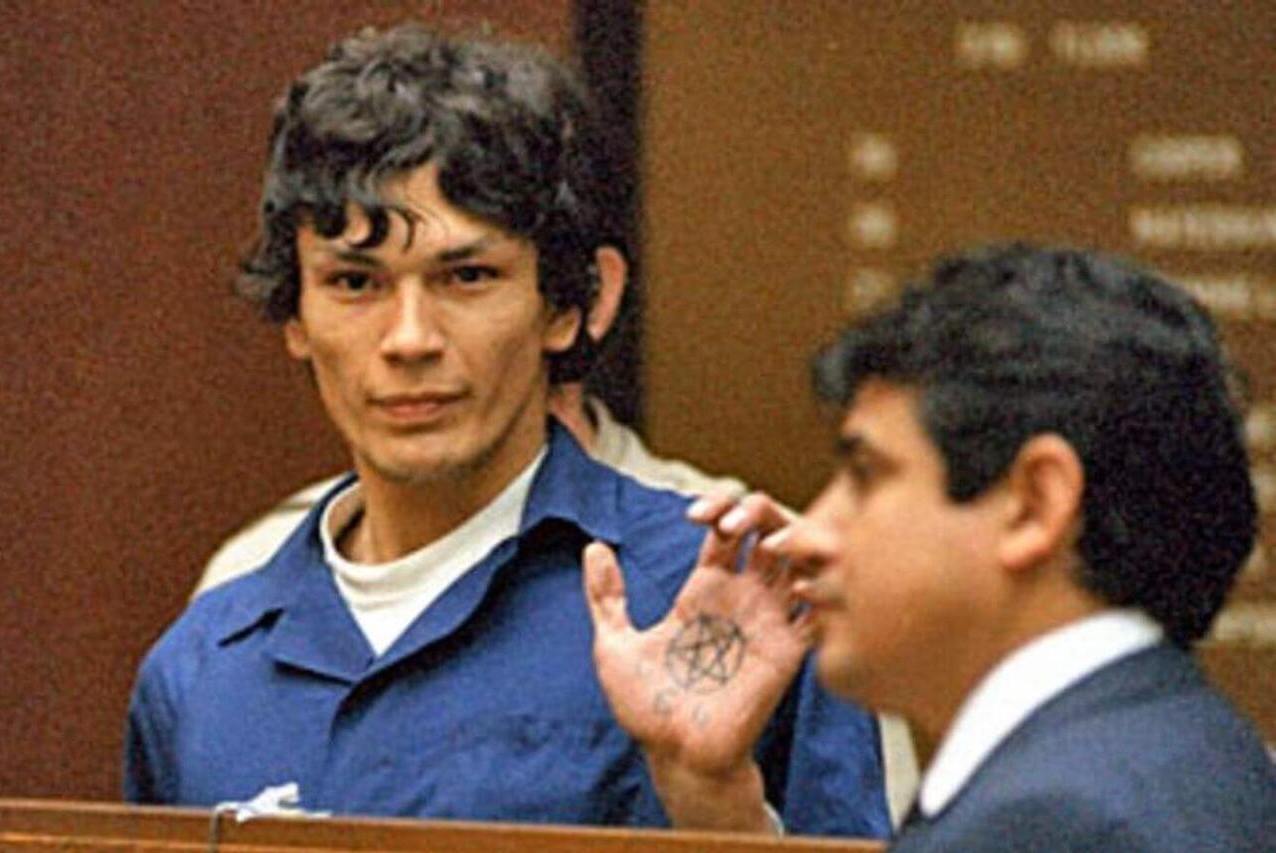
- Richard Ramirez (Night Stalker) exhibited uncontrollable sociopathic traits.
b) Impulsivity and Lack of Self-Control
- Acting quickly and without thinking
- Reluctance to avoid risks
- Inability to make long-term plans
📌 Example: Drug dealers, targeting short-term gains, do not consider long-term consequences.
c) Narcissistic Tendencies and Desire for Power
- Viewing oneself as superior and special
- Disrespecting others
- Rejecting authority
📌 Example: Fraudsters deceive their victims to feel more intelligent and powerful.
2. Factors Determining Criminal Tendency
Criminal tendencies often arise from a combination of biological, psychological, and environmental factors.
📌 3 main factors influencing criminal behavior:
a) Biological Factors: Differences in the Brain
Brain imaging studies show that some criminals have abnormalities in brain structures.
📌 3 critical brain areas:
- Prefrontal Cortex: Manages thinking, empathy, and decision-making processes. (It has been found that criminals show low activity in this area.)
- Amygdala: Controls fear and anger emotions. (Low activity can create fearless and ruthless criminals.)
- Limbic System: The emotional control center. (Abnormalities are observed in impulsive criminals.)
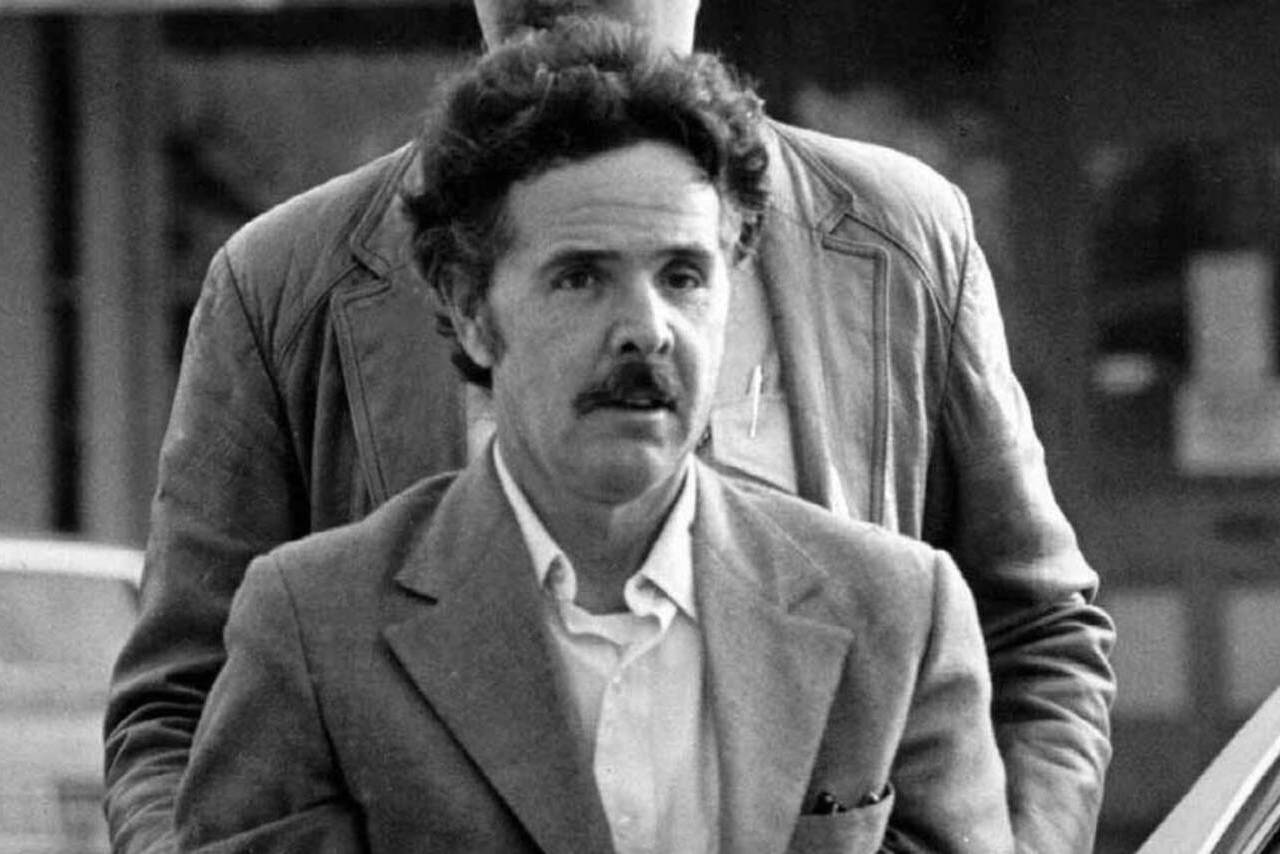
📌 Example: Henry Lee Lucas, known as the “Maniac Killer,” suffered brain trauma and developed aggressive behaviors.
⚠ Conclusion: Differences in the brain may increase the tendency for violence, but they alone do not make someone a criminal.
b) Childhood Trauma and Environmental Influences
Many criminals have experienced trauma in their childhood or grew up in a dysfunctional family environment.
📌 Childhood experiences that increase the tendency to commit crimes:
- Physical or emotional abuse
- Parental neglect and rejection
- Growing up in a violent environment
- Exposure to criminal role models (e.g., criminal parents or gang members)
📌 Example: Charles Manson was abused during his childhood and was drawn into the criminal world.
⚠ Conclusion: Negative experiences during childhood can contribute to an individual’s susceptibility to crime.
c) Social and Economic Factors
Some individuals may turn to crime due to societal and economic conditions.
📌 Examples:
- Poverty and Unemployment: Turning to crime to survive.
- Gang Culture: Individuals growing up in environments where crime is normalized may adopt it as a lifestyle.
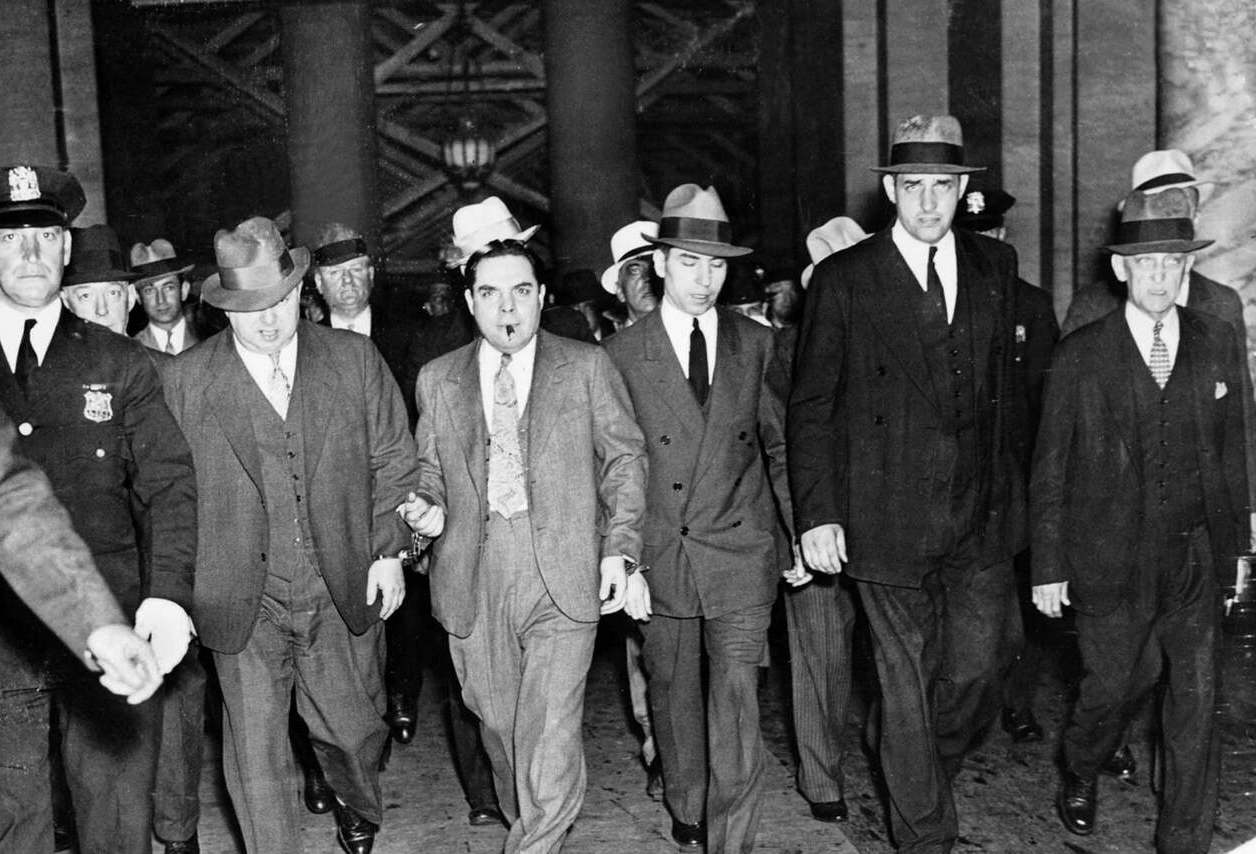
📌 Example: Mafia leaders and organized crime groups often resort to crime to increase their economic power.
⚠ Conclusion: Sometimes, crime is adopted as a survival strategy.
- Criminal Thinking Style: A Glimpse into Their Minds
Criminals often evaluate situations from a different perspective.
📌 Three basic thought patterns of a criminal mind:
- Justification: “Everyone is doing it, so why shouldn’t I?”
- Avoiding Responsibility: “It’s not my fault, it’s the system’s fault.”
- Manipulation: “I can trick people into doing what I want.”
📌 Example: Fraudsters deceive their victims by thinking they “deserve it because they are already naive.”
⚠ Conclusion: Criminals often develop mental excuses to act without feeling guilty.
- What Can Be Done to Prevent Crimes?
📌 Measures to prevent crime:
✅ Support systems should be created to prevent childhood trauma.
✅ Economic crimes can be prevented by increasing education and employment opportunities.
✅ The normalization of crime and violence should be prevented through conscious media use.
✅ Psychological support services can help identify individuals’ tendencies to commit crimes early.

Conclusion: Understanding Criminal Psychology is the Key to Preventing Crimes
Understanding the mental makeup of criminals is crucial for both preventing crimes and ensuring public safety.
📌 In summary: ✔ Criminals often exhibit antisocial and narcissistic tendencies. ✔ Brain structures may differ, but environmental factors play a bigger role. ✔ Childhood trauma and poor environmental conditions can increase the likelihood of criminal behavior. ✔ Criminals interpret events in a way that allows them to avoid feeling guilty.
In conclusion, criminals are not born; they are shaped by environmental and psychological interactions. Therefore, preventing crime starts with understanding human psychology! 🚔ðŸ§