


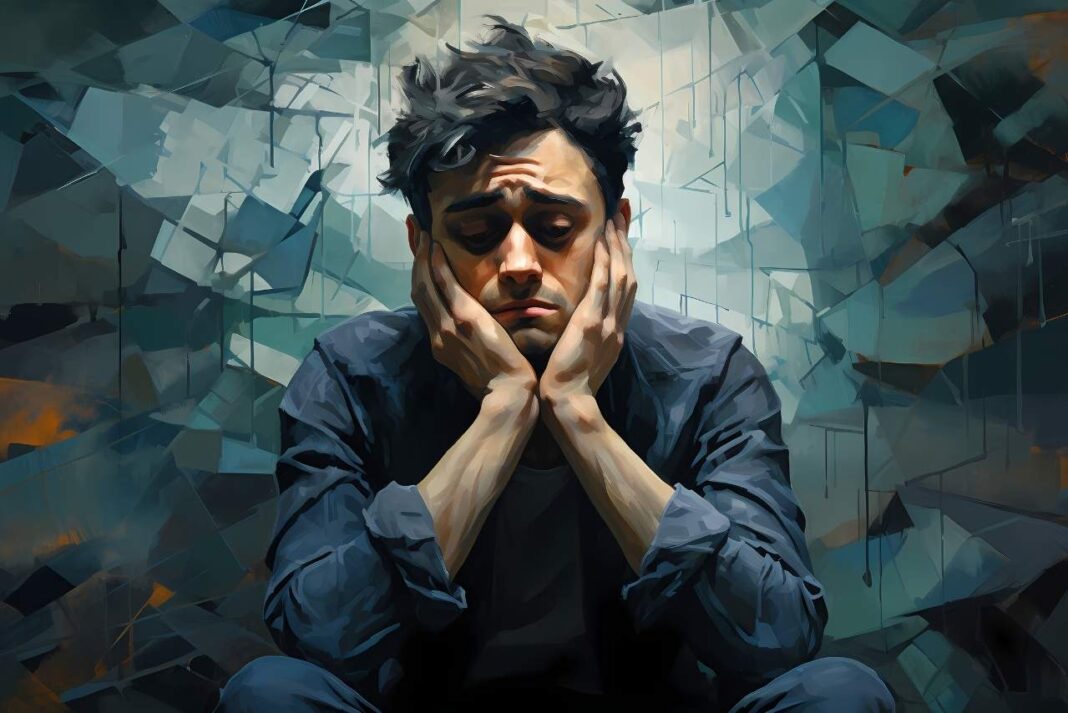

The Effects of Modern Life on Mental Health
One morning, when the alarm goes off, getting out of bed feels like the hardest thing in the world.
You may not even be sleep-deprived, but you’re tired. Not physically-some other kind of tired.
You’ve been “getting by” for days, maybe weeks, maybe even months. If this state of exhaustion had a name, it might be burnout. And this word is no longer just part of the office worker’s vocabulary-it has become the shared language of students, parents, and even the unemployed.
Burnout was first defined in the 1970s by psychologist Herbert Freudenberger. At that time, it was seen as a condition experienced particularly by those working in helping professions. But today, burnout is no longer just an occupational issue-it has become the outcome of a certain way of life. Nearly all of us are experiencing a kind of “emotional bankruptcy.”
Why Has It Become So Widespread?
Modern life is a constant race against an endless to-do list. Even rest is measured in terms of productivity. Meditation, nature walks, breathing exercises—they’re all marketed under the motto: “Recharge your energy, work better.” It’s as if we need an excuse even to slow down. Psychologically, this leads to a strange outcome: even recovery becomes a performance.
We live in a world woven with smartphones, work emails, and the expectation of constant availability. During the day, being “unreachable” is almost perceived as a crime. Yet the mind and soul need time to wander without a goal.
Burnout Isn’t Just About Work
Contrary to popular belief, burnout isn’t only about working long hours. Sometimes, even when you’re not working at all, you can feel burned out. Living with a constant sense of “having to be needed,” trying to be enough for others, carrying the invisible workload at home, and always managing others emotionally—these can all quietly wear a person down.
Burnout usually shows itself through three main symptoms: emotional exhaustion, a sense of worthlessness, and a distant or indifferent attitude toward work or daily responsibilities. But these don’t always come in dramatic forms. Sometimes it’s just a constant sighing, an inability to enjoy anything, or a lack of tolerance for minor things.
And many people interpret this state as “weakness,” pushing themselves even harder. But this is a signal. The body and mind are letting you know that the load has become too heavy. It’s a silent way of saying, “I need to stop.”
Why Are We Struggling So Much?
Many studies in psychology show that perfectionist personalities are more prone to burnout. The effort to do everything “right” creates a cycle in which nothing ever feels enough. Especially individuals who grow up with a constant need for approval during childhood may struggle to recognize their own limits in adulthood. The thought of “I must do better” eventually blinds them to their own human boundaries.
Social roles also reinforce this dynamic. For example, women grow up with the message that they must succeed at work, carry all the emotional load at home, and also take care of themselves. This constant state of “having to keep up” creates an invisible form of fatigue.
So What Can We Do?
It would be easy to offer magical solutions here, but the truth is, burnout arises from different reasons for each individual, and there is no one-size-fits-all path. Still, the first step is to stop. To notice what we’re being pushed by in the daily rush, to recognize our emotional burden—this alone is a meaningful start. Sometimes a person isn’t just tired-they’re worn down. Seeing this difference can open the door to healing.
The next step is learning to set boundaries. Saying “no” is not selfishness-it can be a way of self-preservation, even survival. Asking for help is also a powerful act, not a weakness. Talking to a therapist, joining a support group, or even just sharing your feelings with someone you trust can lighten the load on your mind.
And perhaps most importantly, we must stop seeing burnout as a personal failure and start viewing it as a symptom of our times. Because sometimes the reason we’re so exhausted isn’t who we are-it’s what’s being asked of us.
Final Words
Burnout is a pause-not an end, but more like a road sign. It reminds us of a slower, more humane way of living. Failing to keep up with the pace of modern life isn’t a flaw-it might be a form of resistance. Perhaps in this era, the truly strong person is the one who can still hear their own inner voice.