


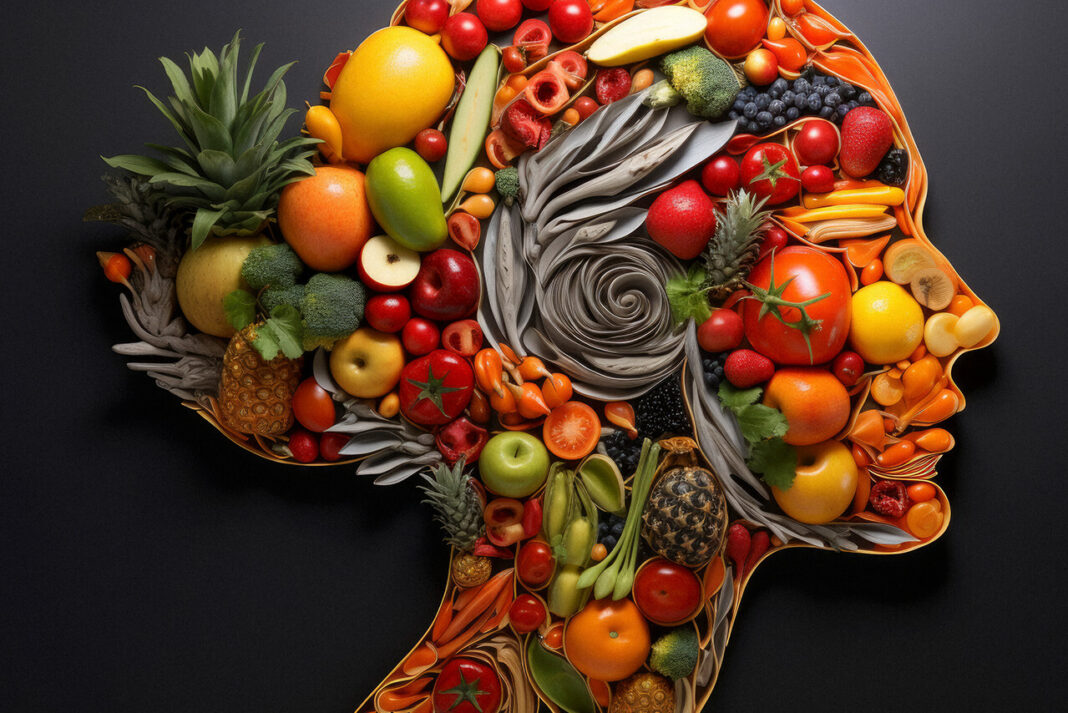

Today, mental health awareness is emerging as a topic that deserves as much attention as physical health. As depression and anxiety, stress in daily life, and other psychological disorders increase globally, the ways individuals cope with these conditions are also diversifying. In addition to therapy, medication, and lifestyle changes, dietary habits for mental well-being are one of the key factors significantly affecting mental health support. An increasing number of scientific studies reveal that brain function and nutrition, mood regulation, and psychological resilience strategies are directly linked to nutrition for mental health.
THE BRAIN-FOOD CONNECTION
The brain is one of the most complex organs in the body and requires high-quality nutrients to function optimally. Just like a car, the brain wants the right kind of fuel. A diet rich in antioxidants for brain health, vitamins and minerals, and healthy fats for cognitive function slows down brain aging, supports memory, and prevents neurological deterioration prevention. On the other hand, consuming harmful substances like processed foods and mental health, sugar and anxiety, trans fats, and refined carbohydrates effects can increase inflammation and pave the way for conditions like depression causes and anxiety triggers.
THE GUT-BRAIN AXIS
In recent years, scientists have discovered a direct connection between the gut microbiota and mental health, known as the “gut-brain axis benefits.” Beneficial bacteria in the gut play a role in producing happiness hormones like serotonin. In fact, about 90% of the body’s serotonin is produced in the gut. This means that a diet supporting gut flora for mental wellness can enhance mood and the ability to cope with stress management through diet. Probiotic foods for mental health and prebiotic foods for gut health are key supporters of this process. While fermented foods like yogurt, kefir, and pickles are rich in probiotics, onions, garlic, bananas, and whole grains contain prebiotics. Regular consumption of such foods supports gut health and mental clarity and thereby improves mental health benefits indirectly.
NUTRIENT DEFICIENCIES AND MOOD
Certain vitamin deficiencies and mental health and mineral deficiencies effects can contribute to various psychological issues and nutrition. For example: Â
- Deficiency in vitamin B12 and depression and folic acid deficiency may lead to depression and cognitive decline. Â
- Vitamin D deficiency and seasonal depression is particularly linked to seasonal affective disorder in winter months. Â
- A lack of omega-3 fatty acids for brain health, which are part of brain cell structure, can cause concentration difficulties and anxiety symptoms. Â
- Magnesium for stress relief helps regulate stress responses; its deficiency may result in irritability and sleep disorders.
Therefore, a diverse and balanced diet for mental performance is critically important for both maintaining mood and enhancing mental clarity through nutrition.
BALANCED NUTRITION STRATEGIES
Some key nutritional strategies for mental health to support mental well-being through diet include: Â
- Mediterranean diet for mental health: Rich in vegetables, fruits, olive oil, fish, whole grains, and nuts, this diet supports both heart health and brain function. It has been scientifically proven to reduce the risk of depression prevention. Â
- Avoiding processed foods and mental balance: Choosing natural and fresh foods instead of products high in sugar and mental health, additives, and salt can help maintain mental balance strategies. Â
- Hydration and mental focus: Dehydration can cause lack of focus and fatigue, and mood swings causes. Drinking enough water is essential. Â
- Regular meals for mood stability: Sudden drops in blood sugar can lead to irritability and concentration issues. Regular meals help maintain energy balance for mental health and stabilize mood.
- Practice Mindful Eating
Aim to nourish not only your body but also your mind while eating. Mindful eating for mental health involves paying attention to the taste, texture, and smell of food. This habit: Â- Reduces overeating prevention. Â
- Breaks the cycle of stress-induced eating habits. Â
- Eases digestion, thereby supporting the gut-brain connection benefits.
- Sunlight and Vitamin D
Vitamin D deficiency and depression is linked to depression and fatigue, and lack of motivation causes. Especially in winter, spend time outdoors, take short walks, and consider vitamin D supplements for mental health if needed. - Use Supplements Consciously
Supplements like omega-3 for mental clarity, B12 supplements, and vitamin D for mood support can be taken as needed, but only under medical supervision and based on blood test results. Uninformed supplement use may negatively affect hormonal balance and gut health. - Mood-Enhancing Foods
Some foods have scientifically supported positive effects on mental health through diet: Â- Dark chocolate for serotonin boost: Contains flavonoids and phenylethylamine, which trigger serotonin production for mood. Â
- Blueberries for brain health: A source of antioxidants, may reduce brain inflammation reduction. Â
- Walnuts and flaxseeds omega-3: Rich in omega-3 for cognitive support. Â
- Spinach, broccoli, chard nutrients: Rich in magnesium and folic acid benefits.
- Blood Sugar Balance Is Important
Sudden fluctuations in blood sugar and mood swings can cause mood instability causes. Specifically: Â- Avoid refined carbohydrates effects (white bread, sugary foods). Â
- Eat fiber-rich foods for mental health (whole grains, legumes). Â
- Don’t skip meals.
- Social Eating and Sharing
Eating alone may trigger eating disorders and mental health in some individuals. Meals with family or friends: Â- Provide emotional support through social eating. Â
- Increase mindfulness in eating habits. Â
- Regulate eating behavior for mental wellness.
- Keep a Food Journal
To identify the connection between dietary habits and mood regulation, keep a journal. Write down what you eat, when you eat, and how you feel at the time. This helps you recognize emotional eating triggers and dietary triggers for mental health. - Don’t Hesitate to Seek Professional Support
If you’re experiencing chronic stress and diet, eating disorders support, depression and nutrition, or anxiety and dietary habits, working with a psychologist and nutritionist support is the healthiest approach. Multidisciplinary mental health support improves both body and mind simultaneously.
CONCLUSION
Mental health and lifestyle factors result from the interaction of many different factors. Genetic predisposition and mental health, environmental stressors effects, social relationships and well-being, and lifestyle choices for mental health are just a few. However, growing scientific evidence shows that nutrition and mental health connection plays a key role within this interaction. A healthy body and mind connection is the foundation of a healthy mind through nutrition, and the intersection of both lies in balanced nutrition for mental wellness. Individuals should reevaluate their daily eating habits for mental health not only to improve their physical health benefits but also their mental well-being strategies and seek expert support for mental health when needed. It must be remembered: good nutrition for mental health nourishes not only the body but also the soul.