


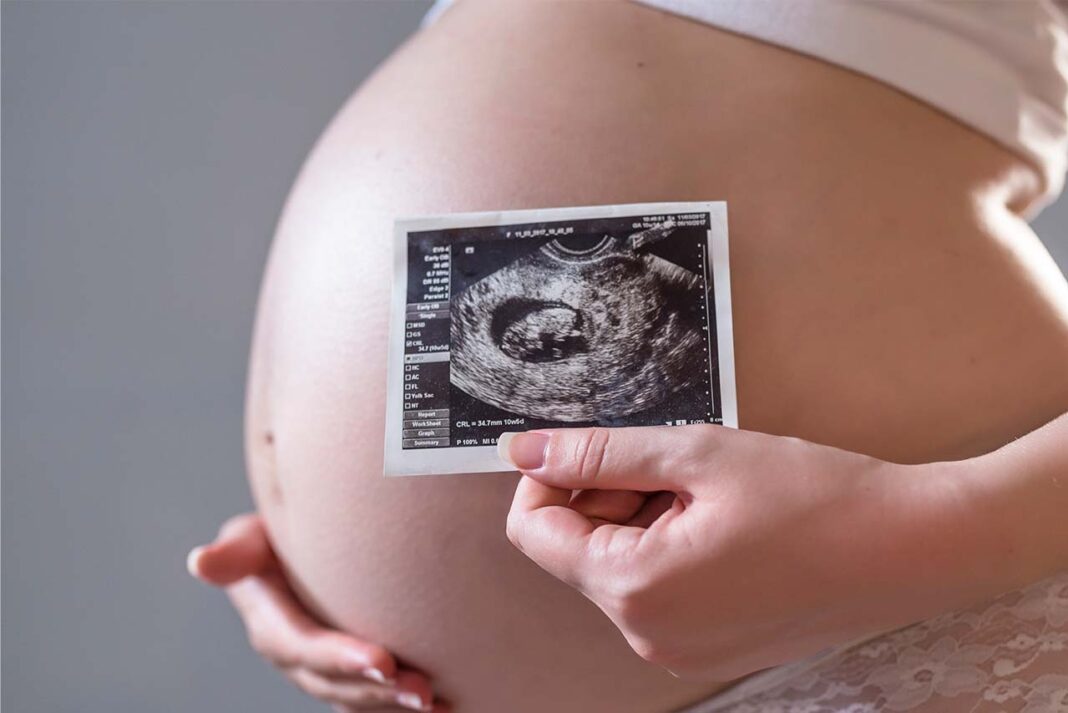

The human life journey begins long before opening one’s eyes to the outside world; it starts in the mother’s womb. The womb is not only a biological environment but also a unique space where the most delicate and rapid stages of fetal development occur. The process of embryonic and fetal development is shaped not only by biological factors but also by the mother’s physical, psychological, and environmental conditions. For this reason, the womb is one of the most critical stages of life, capable of influencing a person’s entire future.
1. The First Steps in the Womb
The journey begins with fertilization, when a single cell rapidly divides and gradually transforms into a human body. Once the zygote implants in the uterus, early pregnancy is marked by accelerated cellular division. During these weeks, the foundations of all vital organs are laid, and everything required for fetal development is provided by the mother’s body. A baby’s heartbeat can usually be detected via ultrasound around the 5th or 6th week of pregnancy. This is often an emotional moment for expectant parents, as it symbolizes how a cluster of cells has already turned into a beating heart—a true sign of the womb’s miraculous nature.
2. Sensory Development in the Womb
The womb is not merely a place of physical growth; it is also where the senses begin to develop.
-
Hearing: By around the 20th week, the baby’s auditory system is functional. From this point, the fetus can hear the mother’s heartbeat, digestive sounds, and even external noises. Research shows that babies exposed to music in the womb often recognize and respond to the same melodies after birth.
-
Taste: Through the amniotic fluid, flavors from the mother’s diet are transferred to the baby. This may influence the infant’s feeding preferences after birth.
-
Touch: As the nervous system develops, sensitivity to touch increases. By the 26th week, babies may respond to gentle touches or pressure applied to the mother’s belly.
3. Psychological Influences in the Womb
Fetal development in the womb is not limited to physical growth—it also carries psychological importance. The mother’s emotional state, stress levels, and environmental conditions directly affect the baby’s brain development. Prolonged stress, through the hormone cortisol, can impact the fetus and may contribute to mood or behavioral disorders later in life.
For this reason, maternal mental health is essential for the baby’s long-term well-being. Practices such as relaxation, meditation, light physical activity, strong family support, and a nurturing social environment help create a peaceful intrauterine experience.
4. The Role of Nutrition
The fetus depends entirely on the mother for nutrition. Balanced and adequate maternal health and nutrition are crucial for both the mother’s health and the baby’s organ development. Key nutrients include folic acid, iron, calcium, omega-3 fatty acids, and protein.
For instance, folic acid deficiency can result in neural tube defects. Both malnutrition and excessive weight gain pose risks for mother and baby alike. This makes a professional and personalized nutrition plan an indispensable part of pregnancy.
5. Environmental Factors
The womb is highly sensitive to external environmental conditions. Substances such as tobacco, alcohol, and drugs, as well as radiation, high stress, or exposure to toxic chemicals, directly endanger fetal health. Because the fetus has not yet developed a mature immune system, it is extremely vulnerable to harmful external influences.
Studies suggest that maternal exposure to adverse environmental conditions—such as air pollution—can increase the likelihood of respiratory issues in children after birth.
6. The Beginning of the Mother–Child Bond
The womb is also the very first site where the mother–child bond takes shape. The baby senses the mother’s voice, heartbeat, and even emotional fluctuations. This early bond strengthens further through breastfeeding and skin-to-skin contact after birth, but its foundation is laid much earlier—during pregnancy itself.
Psychologists often recommend that expectant mothers talk to their babies, sing, and gently touch their bellies. Such interactions foster a sense of security for the baby and deepen the emotional connection with the mother.
7. Preparing for Birth and the End of the Womb Journey
Toward the end of pregnancy, the fetus prepares for life outside. The lungs mature, reflexes develop, and the baby positions itself for delivery. The journey in the womb concludes with birth, but by this time the most critical foundations for life have already been established.
Birth marks both an ending and a beginning: the end of the womb experience and the beginning of adaptation to the external world. How smoothly this transition occurs is closely linked to the quality of the intrauterine environment.
Conclusion
The womb is far more than a physical growth chamber; it is a miraculous world where biological, sensory, and psychological foundations for life are laid. The mother’s maternal health, nutrition, emotional balance, and environment play decisive roles in shaping the baby’s future. Thus, the intrauterine period is one of the most precious and vulnerable phases of human life. Building healthy generations depends largely on ensuring that expectant mothers experience pregnancy with awareness, support, and well-being.