
The Place of Women in Society & Women’s Rights
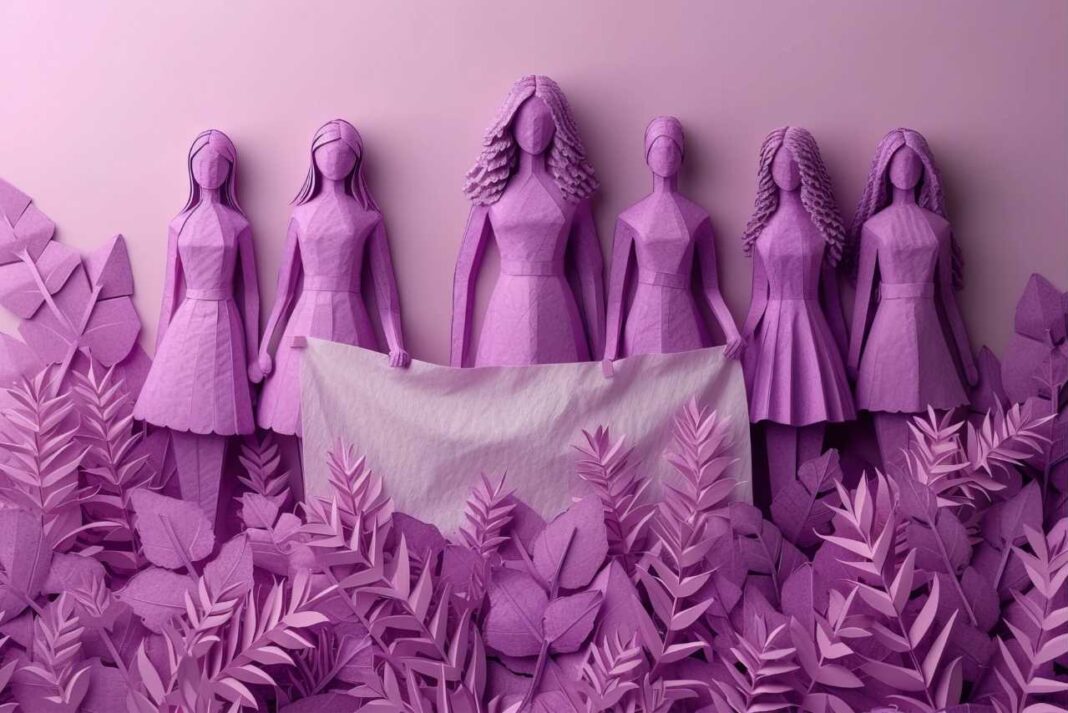
A land becomes stronger where a woman steps, a mind is enlightened where she educates, and the world becomes more beautiful where she loves. Therefore, a society that pushes women into the background is one that casts a shadow over its own future!
For centuries, women have fought for equality and freedom. From science to art, politics to sports, they have achieved great accomplishments. Yet, these successes did not come easily-they came with courage, resilience, and determination. Today, women who carry this powerful legacy continue to break societal boundaries and strive for the equality they rightfully deserve.
March 8 is a symbol of the struggle, resistance, and pursuit of justice that women have carried for centuries. In 1857, over 140 women demanding better working conditions for women lost their lives in a factory fire in New York. Their voices were not silenced within the ashes of those walls; instead, they ignited a global women’s rights movement. In 1910, at Clara Zetkin’s proposal, this day was recognized as International Women’s Day-not just a day of remembrance, but a symbol of the ongoing fight for gender equality and justice. March 8 belongs to all women who carry the marks of the past and look to the future with hope.
Today, women continue to succeed in all areas-politics, art, science, and sports-and will undoubtedly keep achieving more. The paths you illuminate do not only guide us, but also light the way for future generations. However, many challenges remain, and women continue to face gender-based hardships with unwavering strength. Even in modern societies, women still encounter significant obstacles such as the glass ceiling, wage inequality, underrepresentation in media, unequal access to education and healthcare, and gender-based violence.
Here are some of the major challenges that women still face today:
1. Education for Girls and Women
-
In many countries, girls have less access to education than boys.
-
When families face financial hardship, it’s often girls who are forced to leave school.
-
Early marriages and societal pressure also lead to the interruption of girls’ education.
2. Women in the Workforce and Economic Independence
-
Women often receive lower wages than men for the same work.
-
They are underrepresented in leadership and decision-making roles.
-
Gender bias in hiring processes continues to limit women’s opportunities.
-
Many women face workplace harassment, exclusion, and mobbing.
3. Access to Healthcare for Women
-
In areas such as reproductive health, prenatal, and postnatal care, women may lack adequate access.
-
Rural areas present additional challenges for women seeking medical services.
-
Due to gender-based stigma, some women avoid seeking psychological support.
4. Violence Against Women and Safety
-
Domestic violence, sexual abuse, street harassment, and cyberbullying are unfortunately common.
-
Many women do not receive sufficient legal protection and are often silenced.
-
Refugee women and those in conflict zones are especially vulnerable to violence.
5. Political Representation of Women
-
Women’s representation in parliaments, local governments, and high-level decision-making is still low.
-
Participation in politics is often hindered by social norms, economic barriers, and safety concerns.
6. Legal Inequality Between Genders
-
In some countries, women still do not enjoy equal rights in areas like property ownership, divorce, or inheritance.
-
Cultural pressure and legal loopholes may prevent women from fully exercising their rights.
7. Media Representation of Women
-
Women are often portrayed in stereotypical, sexualized, or passive roles in media.
-
This shapes public perception and reinforces gender-based discrimination.
8. Child Marriage and Teenage Pregnancy
-
In many developing regions, girls are married off at an early age.
-
Their rights to education, health, and personal development are stripped away prematurely.
As we can see, even in the modern world, the fight for women’s rights is far from over. We must not stay silent but stand up and defend equal rights for women and girls. Women’s rights are human rights. Advocating for gender equality in education, the workplace, law, and healthcare is not a choice-it is a necessity.
Let us grow stronger, more determined, and more united in the face of those who try to silence women.
Let’s not forget: A society is only as strong as its women. If we want to look to the future with hope, we must begin by ensuring equal rights for women and girls in every aspect of life.
As Hillary Clinton once said, “Women are half of humanity. Human rights include women’s rights.”