


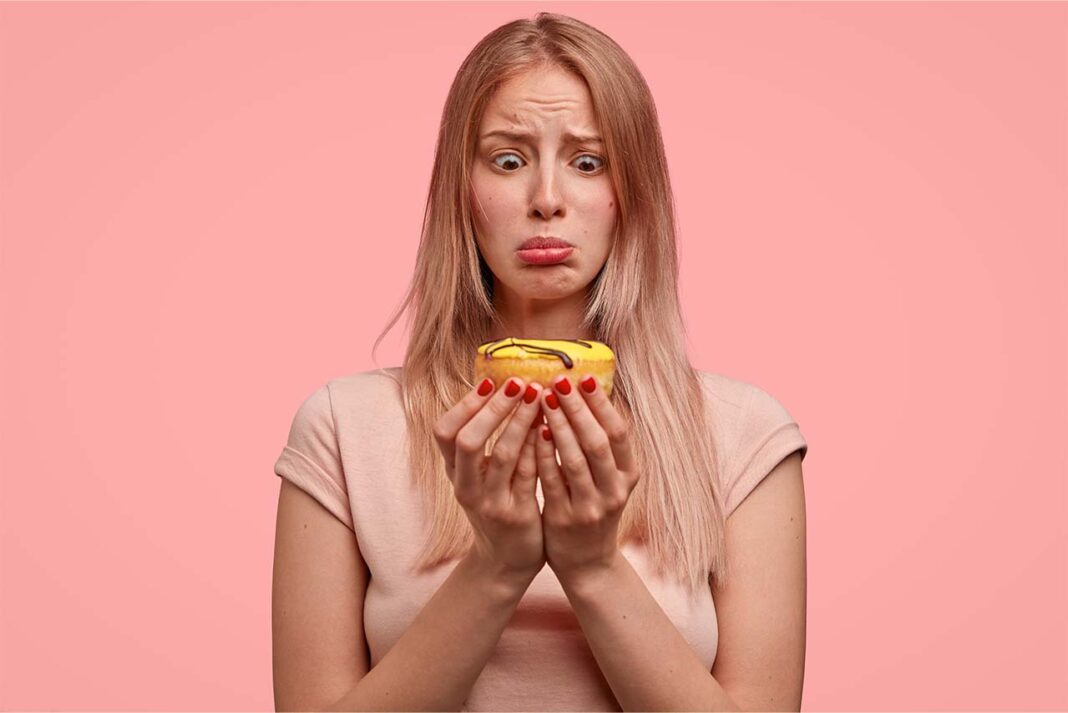

Overeating, self-sabotaging by being unable to lose weight due to unconscious concerns about the negative consequences of weight loss, the cycle of self-induced vomiting and binge eating… None of these behaviors have a single cause; each person’s story unfolds in different ways. Observations show that emotional eating behaviors are linked to early childhood and the relationship between the caregiver and the child, and this article will attempt to provide an explanation on this topic.
The Desire to Control Eating
A child has two areas where they can exert control: eating and using the toilet. A child who is forced by their parent to eat (or to eat “healthy” foods they do not want) generally keeps the food in their mouth, spits it out, or vomits (infants also often spit when they do not want to swallow, a kind of “you cannot enter my space” signal). In doing so, the parent unintentionally manipulates the child’s sense of satiety. When the child grows up, they may attempt to assert control over their own body, saying “I am an adult now, I eat what I want” as a way of signaling the parent (“overcompensation” and reactive identity as a defense mechanism), or, in a different way, they may internalize the caregiver’s beliefs about satiety and believe they do not eat enough. In childhood, this may appear as “if you do not eat enough, you will not grow” or “if you do not finish your plate, something bad will happen.” Excessive need to control eating can, in turn, lead to a sense of loss of control, triggering these behaviors.
Trauma and Eating Behavior
Trauma, especially sexual trauma, can significantly affect a person’s eating behaviors. Research has shown that individuals exposed to sexual trauma may unconsciously gain weight to protect their body and avoid unwanted sexual attention (the invisibility-with-weight hypothesis). Furthermore, sexual trauma histories are frequently observed in anorexia nervosa cases (Kent et al., 1999), and these individuals may sometimes refuse to eat to achieve a “childlike and invisible” body ideal. After sexual trauma, some individuals may develop cognitive distortions such as “if I am less attractive, I will not be harmed.” These beliefs, combined with societal gender norms, pressures on the female body, and the suppression of femininity in society, can negatively influence eating behaviors.
Replacing the Mother with Food
In psychoanalytic theory, it is emphasized that experiences in early life affect a person’s emotional regulation and susceptibility to addiction later on. Oral stage fixations (such as early deprivation of breastfeeding, difficulty with weaning, imbalances in the mother-infant relationship, early maternal loss or separation) can predispose the individual to passivity, dependence, and susceptibility to addictions. For this reason, addictions such as alcohol, tobacco, or emotional eating disorders are often linked to this period. Soft and sweet foods (such as custard, jelly, or creamy desserts) may unconsciously remind individuals of the early feeding experience with the mother’s breast. Similarly, our chocolate choices are thought to relate to our mood: when a person feels sad or in need of love, they may prefer softer and creamier desserts, whereas frustrations and anger related to love or relationship disappointments may lead them to choose harder and crunchier chocolate. In this way, foods satisfy not only physical hunger but also early attachment experiences and emotional needs on a symbolic level.
Eating to Relax Emotionally
In infancy and childhood, when a child becomes upset or cries, if a parent calms them with an object that can be taken orally, such as a pacifier, bottle, or candy, this can become an important learning experience in adulthood. The child internalizes that the most effective way to relieve negative emotions is through something taken orally. In adulthood, when feeling upset, facing a conflict, or emotionally distressed, the individual may tend to turn first to something oral. Especially since high-calorie, sugary, or fatty foods provide temporary relief, these tendencies are reinforced. Although this provides short-term comfort, it can trigger guilt, regret, and unhealthy emotional eating cycles in the long term, leading to chronic emotional eating.
When we observe our eating behaviors and recognize the emotions behind them, we gain important insights about ourselves. When we understand that the problem is not just “what we eat” but “why we eat,” finding solutions becomes easier. Over time, the foods and sweets we once thought we “could never give up” lose their symbolic meaning. Of course, this process does not progress at the same pace for everyone; sometimes it is slow, and sweet cravings, emotional hunger, feelings of lack of love, or depression may overlap. In such moments, one of the most helpful things we can do is turn inward, ask what our body and mind really need, and accept this need.
References
-
Fairburn, C. G. (2019). Overcoming binge eating: A proven guide to self-help. Psikonet Yayınları.
-
Kent, A., Waller, G., & Dagnan, D. (1999). A greater role of emotional than physical or sexual abuse in predicting disordered eating attitudes: The role of mediating variables. International Journal of Eating Disorders, 25(2), 159-167.
-
Virtue, D. (2013). Emotional eating. Destek Yayınları.