


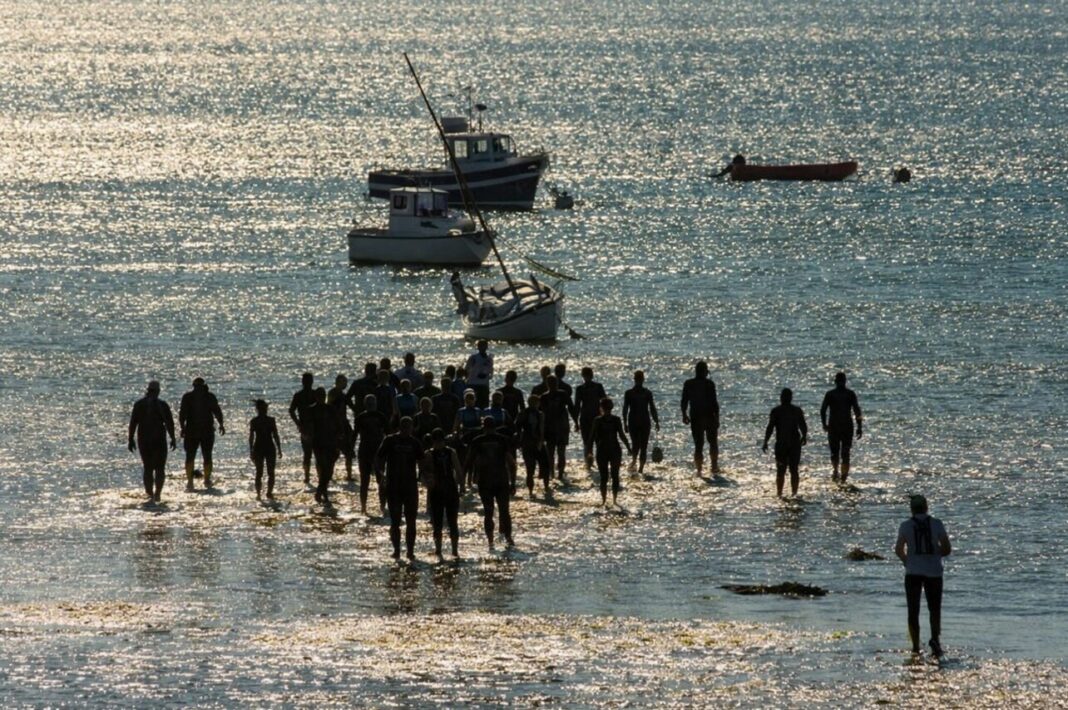

Forced migration is not merely the crossing of borders; it is also a psychological process that leaves traces in both individual and collective memory.
The Mediterranean often appears on maps simply as a sea separating continents. However, throughout history, this geography has been a witness not only to borders but also to the ruptures experienced in human lives. Trade routes, wars, exiles, and forced migrations have taken shape around this sea for centuries. Today, the Mediterranean basin continues to serve as a transit and settlement area for people displaced particularly by war and political instability. Yet while migration is often discussed through numbers, borders, and political debates, the psychological impact of this movement on human beings frequently remains invisible.
The Psychological Rupture Of Migration
In the psychological literature, migration is not understood merely as a spatial movement but as a significant rupture in an individual’s life narrative. When a person leaves the place where they have lived, they do not only abandon a physical environment; they also leave behind the social relationships formed within that environment, everyday life practices, and the system of meaning through which they defined themselves. For this reason, the experience of migration often brings with it complex psychosocial processes such as displacement, loss of belonging, identity reconstruction, and changes in social roles. This process can create a sense of discontinuity in the individual’s self-perception, as the person attempts to negotiate a balance between their past identity and the conditions of a new life.
Trauma And The Disruption Of Security
When migration is forced, this psychological process becomes even more complex. Experiences such as war, violence, and political oppression can shake not only an individual’s physical safety but also their fundamental cognitive and emotional assumptions about the world. From the perspective of trauma psychology, trauma is not only the event that occurs; it is also the disruption of the psychological structure that allows individuals to perceive the world as safe, predictable, and meaningful. For this reason, forced migration can profoundly affect an individual’s perception of time, sense of security, and expectations about the future.
The Framework Of Collective Trauma
When experiences such as war and forced migration affect large communities, examining trauma solely at the individual level becomes insufficient. At this point, the concept of collective trauma provides an important explanatory framework. Collective trauma refers to the psychological effects that emerge when a large group shares the same traumatic experience and when this experience leaves traces in the collective memory of a society. Kai Erikson defines collective trauma as an experience that disrupts the social bonds of a community and transforms the sense of “we.” Jeffrey Alexander, on the other hand, emphasizes that cultural trauma is not simply the sum of individual suffering; it is also a process that shapes how societies remember themselves and construct their identities. From this perspective, trauma is not only an individual experience but also a process that transforms collective memory and narratives of identity.
Identity Reconstruction In The Mediterranean Basin
Migration movements in the Mediterranean basin constitute one of the significant examples of collective trauma in this sense. For communities that have experienced war, crossing the Mediterranean is not merely crossing a geographical boundary; it also means saying goodbye to a life left behind. During this process, individuals frequently encounter intense emotional states such as grief, uncertainty, loss of trust, and anxiety about the future. Life after migration often requires the reconstruction of identity within a new social context.
Intergenerational Transmission Of Trauma
The psychological effects of migration are not limited to individuals alone; they may also be transmitted across family systems and generations. In psychological literature, this process is referred to as the intergenerational transmission of trauma, in which the traumatic experiences of parents indirectly influence the psychological development of their children. In migrant families, children often grow up with the sense of loss and uncertainty carried by their parents. This situation may significantly influence children’s identity development, sense of belonging, and processes of social adaptation.
Social Context And Adaptation Mechanisms
The psychological dimension of migration is also shaped within a broader social context. For this reason, the processes through which migrants build a life in a new society cannot be explained solely by the concept of individual resilience. Access to education and healthcare, language learning programs, and psychosocial support mechanisms play an important role in migrants’ post-trauma adaptation processes. Such support mechanisms do not only address practical needs; they also help individuals rebuild trust and form new social connections.
Inclusive Social Policies As Healing Mechanisms
From this perspective, inclusive social policies are not merely administrative arrangements. They also function as mechanisms that support healing processes at the societal level following trauma. Migrants’ access to education, healthcare, and mental health services is critically important for social integration and psychological well-being.
Understanding migration in the Mediterranean therefore cannot be limited to examining borders, routes, and statistics. It also requires understanding the traces these journeys leave in human psychology and in collective memory. Because within every migration story there is not only movement from one place to another, but also a psychological process involving loss, adaptation, and the reconstruction of a life.
For this reason, the Mediterranean is not merely a sea that separates continents. Sometimes it is the silent witness of traumas accumulated in collective memory, and sometimes it is the threshold where newly reconstructed lives begin.
References
Alexander, J. C. (2004). Toward a Theory of Cultural Trauma. In Cultural Trauma and Collective Identity. University of California Press.
Erikson, K. (1976). Everything in Its Path: Destruction of Community in the Buffalo Creek Flood. Simon & Schuster.
Hirschberger, G. (2018). Collective Trauma and the Social Construction of Meaning. Frontiers in Psychology, 9.