


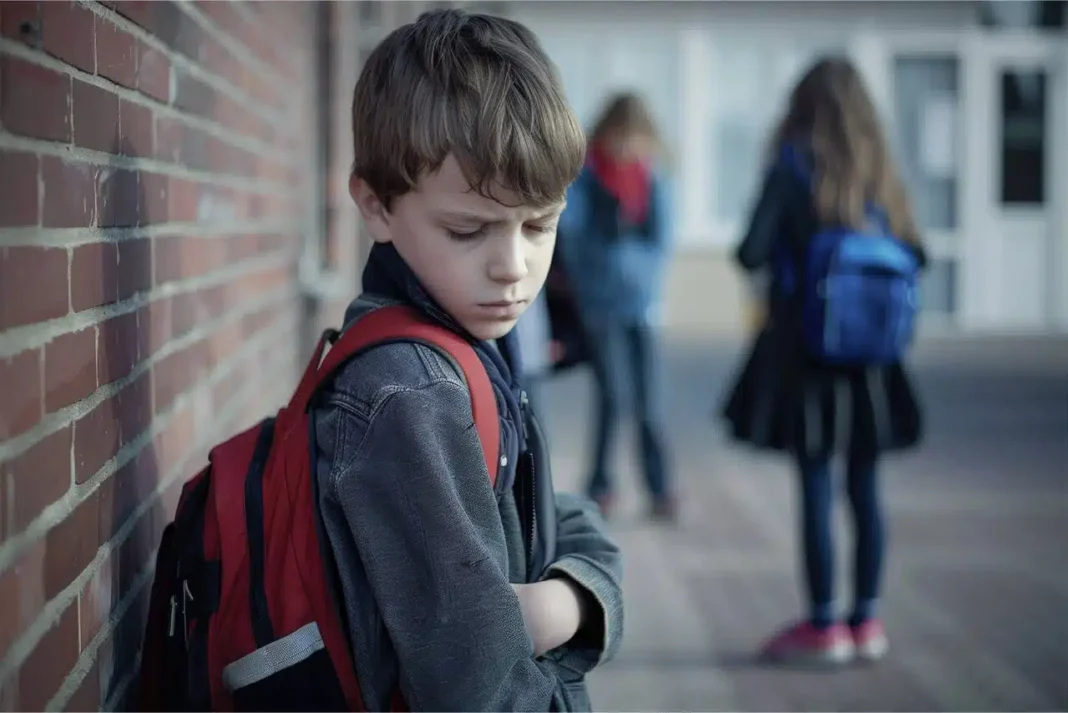

A child, when heading to school every morning, embarks on a new journey of discovery, filled with various emotions. They may be cheerful, excited, but sometimes anxious as well. They want to make new friends, start learning, and gain approval from their teachers.
However, sometimes, this journey of discovery inside a child may be hindered by behavioral problems that are outwardly visible. The child expresses their emotional or psychological struggles through excessive activity, anger bursts, defiance, or aggression. This is where behavioral and adjustment problems come into play.
What Are Behavioral Problems?
Behavioral problems are actions that hinder a child’s ability to interact with their environment in a healthy way, often considered negative or undesirable behaviors. Children often cannot express their inner struggles or emotional difficulties through words, so they tend to externalize them through behaviors like hyperactivity, outbursts, or aggression. These behaviors are usually a reflection of internal distress.
For instance, a child who doesn’t receive enough attention from their teacher may frequently drop objects or shout to gain attention. Alternatively, another child may express their family-related troubles by harming others at school. These situations don’t only reveal the child’s outward behaviors but also reflect their emotional regulation difficulties within their inner world.
Adjustment Problems: Difficulties in School and Social Life
A child’s ability to adjust to their social environment is one of the most critical stages in their children’s development—emotional, cognitive, and social. However, some children face significant challenges during this process. Children with adjustment problems at school and in social settings often struggle with building relationships with their peers, taking part in group activities, or may prefer to remain isolated.
At times, a child may experience separation anxiety when starting school. Being away from their mother may feel scary to them. They may have trouble playing with friends at school, leading to feelings of exclusion and loneliness. These are different manifestations of adjustment problems. These children may find it difficult to trust their peers, or even their teachers, and struggle to engage in social settings.
Root Causes of Behavioral and Adjustment Problems in Children
Several different factors contribute to behavioral and adjustment problems in children. The main factors include individual characteristics, family-related issues, and school environments.
-
Individual Characteristics: Every child has a unique personality. Some children may be more outgoing, while others may be more introverted. Additionally, neurological factors like attention deficit and hyperactivity can also influence behavioral problems and adjustment problems.
-
Family Factors: Family relationships directly affect a child’s behavior. Issues like divorce, family violence, or overly protective parenting can lead to difficulties in children’s development, adjustment at school, and social settings.
-
School Environment: Negative experiences at school, peer bullying, teacher attitudes, or a lack of interest in lessons can also contribute to adjustment problems. A child who doesn’t feel valued or accepted may become disengaged from school and display behavioral problems.
Ways to Address Behavioral and Adjustment Problems in Children
Effective interventions are necessary to tackle children’s behavioral and adjustment problems. However, these interventions should be tailored to the child’s age, individual characteristics, and the severity of the problem.
-
Early Intervention: Behavioral and adjustment problems can be more easily resolved if identified early on. When a child’s emotional needs are met, behavioral improvements can be observed quickly.
-
Psychological Support and Counseling: Psychological counseling for children can help them develop their emotional and social skills. Behavioral problems often stem from low self-esteem, so it’s essential to ensure the child feels valued.
-
Parent and Teacher Collaboration: The attitudes of both parents and teachers can positively shape a child’s behavior. Positive discipline techniques can provide opportunities for children to understand the consequences of their actions. Additionally, praise and rewards can boost a child’s motivation.
-
Social Skills Training: Helping children develop social skills plays a vital role in addressing adjustment problems. Empathy, communication, and problem-solving abilities enable children to form healthier relationships with their peers.
Conclusion: Behavioral and Adjustment Problems as Opportunities
Behavioral and adjustment problems in children are a part of their emotional and psychological children’s development. These problems should not only be seen as challenges but also as opportunities for learning and growth. With the right support, children can learn to adapt to both their environment and themselves in a healthier way.
Parents, teachers, and psychological counselors can help children overcome these challenges. It’s important to remember that every child carries significant potential within their inner world, and with the right approach, this potential can be fully realized.