


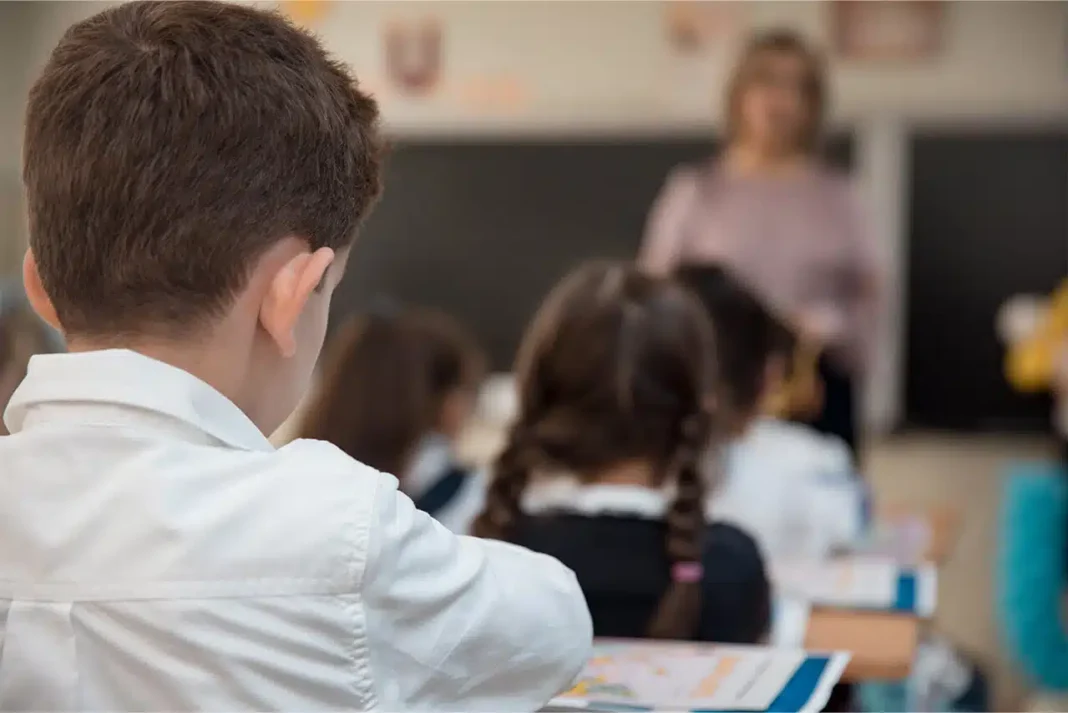

As the long and relaxed days of summer vacation come to an end, many families begin school preparations. Shopping lists are made, backpacks are packed, and textbooks are lined up. However, beyond this physical preparation, children also need to be mentally and emotionally prepared for the new term. Returning to school may often seem like a logistical matter for adults, but for children it is a highly complex and multi-dimensional experience. This period is a threshold in which their social, emotional, and cognitive adjustment capacities are seriously tested.
Research in the field of child psychology shows that back-to-school anxiety levels increase at the beginning of a new school term (Albano & Kendall, 2002). This “back-to-school anxiety” can be observed especially in preschool and primary school children, but sometimes even in high school students, and it can affect both academic performance and social relationships.
Sometimes this anxiety appears only in the first few days and decreases quickly; sometimes, however, it continues for weeks. What is decisive here is both the child’s temperament and the parents’ approach.
One of the most common causes of anxiety is uncertainty. The relaxed routine of the holiday is replaced by a new teacher, a different classroom environment, and changing social dynamics. These changes can be perceived in the child’s mind as an “uncontrolled space.” The second important reason is performance pressure. Grades, exams, homework… Especially in children raised in a success-oriented manner, the fear of “not being good enough” feeds anxiety (Dweck, 2006). The third factor is the process of social adjustment. Making new friends, joining a group, and the possibility of not being accepted are among the stressors that children intensely experience in the first weeks of school.
Anxiety is not only expressed as “I don’t want to go to school.” It can manifest in different ways such as recurring stomachaches in the morning, headaches, sleep problems, lack of concentration, disruptions in eating habits, or withdrawal from peer relationships. These symptoms may decrease within a few days; however, if the process is prolonged, it requires the parent to actively intervene.
Suggestions for Parents
Establish Routines in Advance
One to two weeks before school starts, begin adjusting bedtime and wake-up times to match the school schedule. A child who has been staying up late during the holiday may feel tired and unwilling when suddenly switching to this routine. Moving bedtime 15–20 minutes earlier every few days makes it easier for the body to adjust naturally (Ren & Fiese, 2022).
Make Preparations for School in Advance
If possible, ensure that the child sees the new school, classroom, or teacher beforehand. Touring the bus route, classroom door, and cafeteria together creates a familiar mental framework. The less uncertainty there is, the lighter the anxiety (Fiese & Winter, 2010).
Listen to and Validate Their Feelings
Responses such as “What’s there to be afraid of?” or “You’re exaggerating” invalidate the child’s feelings. Instead, statements like “Entering a new environment can sometimes feel stressful; I understand you” both show empathy and let the child know their feelings are normal. Help the child recognize and name their emotions.
Role-Play Practice
Reenacting school scenarios at home creates a positive mental preview of the social environment. Practicing greetings with the teacher, talking to a friend during recess, or entering the classroom helps mentally prepare for social situations.
Make the Morning Routine Enjoyable
It’s important to start the day in a positive atmosphere rather than with stress. Serving a favorite breakfast food, playing cheerful music while getting ready, or having a small “strong day” ritual before leaving the house all add a positive emotional tone to the school day (Child Development, 2017).
Strengthen Social Connections
Arranging a meeting with one or two classmates before school starts reduces social anxiety in the first days. A familiar face creates a sense of security in the new classroom environment.
Manage Your Own Anxiety
Children reflect their parents’ emotional tone. If you appear overly anxious, the child will internalize that feeling. A calm, decisive, and reassuring attitude on the school morning sends a stronger message than words.
Create an End-of-Day Sharing Ritual
Instead of asking “How was your day?” ask guiding questions like “Tell me one thing that made you smile, one thing that was challenging, and one new thing you learned.” This helps review the day and strengthens your bond with the child.
Celebrate Small Successes
In the first week, even just attending school is worthy of praise. Specific and sincere feedback like “You were very brave going into class today” builds self-confidence.
Special Situations and Additional Strategies
Children in Divorced Families
Divorce is an adjustment process in itself for children. Two different home environments, changing daily routines, and communication dynamics between parents can create extra stress at the start of school (Fiese & Winter, 2010). While the child is already wondering “Where will I live, who will I spend time with?” the new responsibilities of school can become an additional burden. The first step, therefore, is to maintain consistency in routines. Bedtime, homework schedules, school preparation, and meal times should be the same in both homes. For example, if bedtime is 8:30 p.m. at the mother’s house, it should be the same at the father’s house. Backpack preparation and homework times should not vary.
Communication language is critical. Parents should avoid sending messages to each other through the child and should share school-related information directly. This prevents the child from feeling caught in the middle. Additionally, shared interest in school events reinforces the child’s sense of belonging. Attending parent-teacher meetings, end-of-year performances, and sports events from both parents sends the message, “Both sides are part of my life.”
Finally, children should be given space to express their feelings. After a divorce, children sometimes feel pressured to “take sides,” and this can emerge in school-related matters as well. Parents should use open communication to understand the comfort zones in each home and work together to address any shortcomings.
Children Who Have Moved or Changed Schools
Moving or changing schools can make the process of social adjustment more difficult (Ren & Fiese, 2022). Here, not only the school but the entire social environment has changed. Losing familiar peers, parting with accustomed teachers, and adapting to new rules can create both social and academic anxiety in the child. To make this process easier, it’s important to provide opportunities to get to know the environment. Taking short walks in the new neighborhood before school starts, visiting playgrounds, libraries, or sports facilities can strengthen the child’s sense of belonging. Meeting one or two classmates beforehand can also significantly reduce the feeling of loneliness on the first day.
Family conversations are important for understanding the child’s feelings. Questions like “How do you imagine your first day at the new school?” or “What do you think might be the most challenging?” help the child voice their anxiety. In addition, maintaining old habits supports the child’s sense of security. A favorite breakfast food, bedtime reading rituals, or weekend family activities act as a bridge in the uncertainty of a new environment.
1-Minute Parenting Tips
-
Switch to a regular bedtime at least 7 days before school starts.
-
Keep morning goodbyes short, clear, and positive.
-
Put a small note or sticker in the backpack during the first week.
-
Hug before talking when they come home.
-
Manage your own stress first to pass on calmness to the child.
Scientific Note:
Children whose routines are established in advance show 30% less school anxiety (Journal of Family Psychology, 2014). Children who have positive morning interactions show higher academic engagement throughout the day (Child Development, 2017).
Conclusion
The back-to-school process is one of the most critical transitions in a child’s life. This period is not only the start of new lessons but also the reestablishment of social ties, changes in daily routines, and taking on new responsibilities. Every child experiences this period differently, depending on their temperament, past experiences, and family support.
The most important duty for parents is to be a reassuring presence during this time (Albano & Kendall, 2002). It may not be possible to completely eliminate anxiety; however, a parenting approach supported by trust, consistency, and empathy makes the process easier and increases the child’s resilience. Establishing a sleep routine in advance, accepting emotions, and celebrating small successes contribute in the long term to developing a positive attitude toward school and learning.
Remember, a strong start to your child’s school life begins not with academic achievement, but with feeling safe and supported.
References
Albano, A. M., & Kendall, P. C. (2002). Cognitive behavioural therapy for children and adolescents with anxiety disorders: Clinical research advances. International Review of Psychiatry, 14(2), 129–134. https://doi.org/10.1080/09540260220132644
Dweck, C. S. (2006). Mindset: The new psychology of success. Random House.
Fiese, B. H., & Winter, M. A. (2010). The dynamics of family routines: A systems perspective. In M. A. Fine & F. D. Fincham (Eds.), Handbook of family theories: A content-based approach (pp. 287–303). Routledge. https://doi.org/10.4324/9780203848160
Kagan, J. (1997). Galen’s prophecy: Temperament in human nature. Basic Books.
Ren, L., & Fiese, B. H. (2022). Consistent routines matter: Child routines mediated the association between interparental functioning and school readiness. Early Childhood Research Quarterly, 62, 1–11. https://doi.org/10.1016/j.ecresq.2022.01.001