


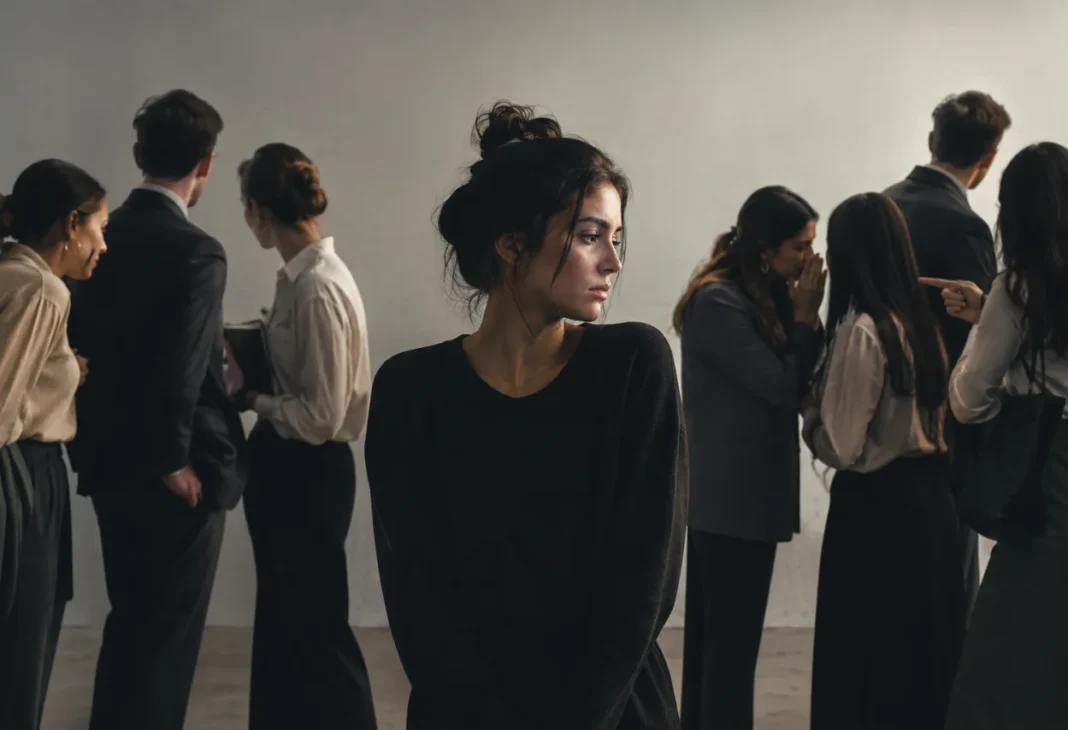

The suppression of women can be understood as a social problem, and beyond that, along with individual experiences, psychological experiences should also be considered. According to research, the patriarchal system is associated with control, conformity, power, and status. The pressures this patriarchal system exerts on women, and the problems that arise when they deviate from their suppressed norms, significantly affect women, and these effects can have psychological and physical consequences for them. (Mayank Gupta, Jayakrishna S. Madabushi, Nihit Gupta, 2023)
One of the most important points we need to consider is social norms. Norms and beliefs can determine and restrict women’s choices, opportunities, and expectations of what they should do. Some of these can affect political, educational, and employment matters, among others. (INDEX, 2023)
The pressure also has an invisible rule regarding women’s sexuality and family honor. This has been the subject of some research, and these studies have focused on issues such as women’s place in the family. One study examined the effects of male and female honor on the family and revealed that a woman’s behaviors can have a greater impact on the family’s honor. We can see that such norms can easily be reflected in a woman’s living conditions, behavioral restrictions, and self-expression. (Monica Christianson, Åsa Teiler, and Carola Eriksson, 2020)
The problems women face in society also affect their mental health. Gender discrimination should not be limited to equality or fairness; it also has negative effects on women’s mental health. This situation also shows us the negative impact of these experiences on their health, social, and economic differences more common in women, and these differences and pressures can provide women with high levels of stress. (Simone N. Vigoda, Paula A. Rochon, 2020)
From an educational perspective, when we look at the inequality that women of all ages experience and continue to experience in education, we can see that the rate of support for women’s education is low. Factors such as early marriage, social norms, and social and family pressure, which suppress women’s right to education, hinder their chances of receiving an education. (Stephanie Psai, Nicole Haberland, Barbara Mensch, Lauren Woyczynski, Erica Chuang, 2022)
Conclusion
In conclusion, the oppression and silencing that women experience in society are not limited to a single issue or cause. They stem from being forced to conform to the order established by the patriarchal system, the psychological and physical consequences that this compulsion brings, and the subsequent oppression and problems from society if these norms and rules are not followed. Considering all of this, we can see how oppressive the problems women face and continue to face in society are for them.
Kaynakça
- INDEX, 2. G. (2023). Breaking Down Gender Biases Shifting social norms towards gender equality. UNDP.
- Mayank Gupta, Jayakrishna S. Madabushi, Nihit Gupta . (2023). Critical Overview of Patriarchy, Its Interferences With Psychological Development, and Risk for Mental Health . Cureus .
- Monica Christianson, Åsa Teiler and Carola Eriksson. (2020). “A woman’s honor tumbles down on all of us in the family, but a man’s honor is only his'': young women's experiences of patriarchal chasity norms . INTERNATIONAL JOURNAL OF QUALITATIVE STUDIES ON HEALTH AND WELL-BEING.
- Monica Christianson, Åsa Teiler and Carola Eriksson. (2020). “A woman’s honor tumbles down on all of us in the family, but a man’s honor only his”: young women’s experiences of patriarchal chastity norms. INTERNATIONAL JOURNAL OF QUALITATIVE STUDIES ON HEALTH AND WELL-BEING.
- Simone N. Vigoda, , Paula A. Rochon. (2020). The impact of gender discrimination on a Woman’s Mental Health. eClinicalMedicine.
- Stephanie Psai, Nicole Haberland, Barbara Mensch, Lauren Woyczynski, Erica Chuang. (2022). Policies and interventions to remove gender‐related barriers to girls' school participation and learning in low‐ andmiddle‐income countries: A systematic review of the evidence. PubMed Central.