


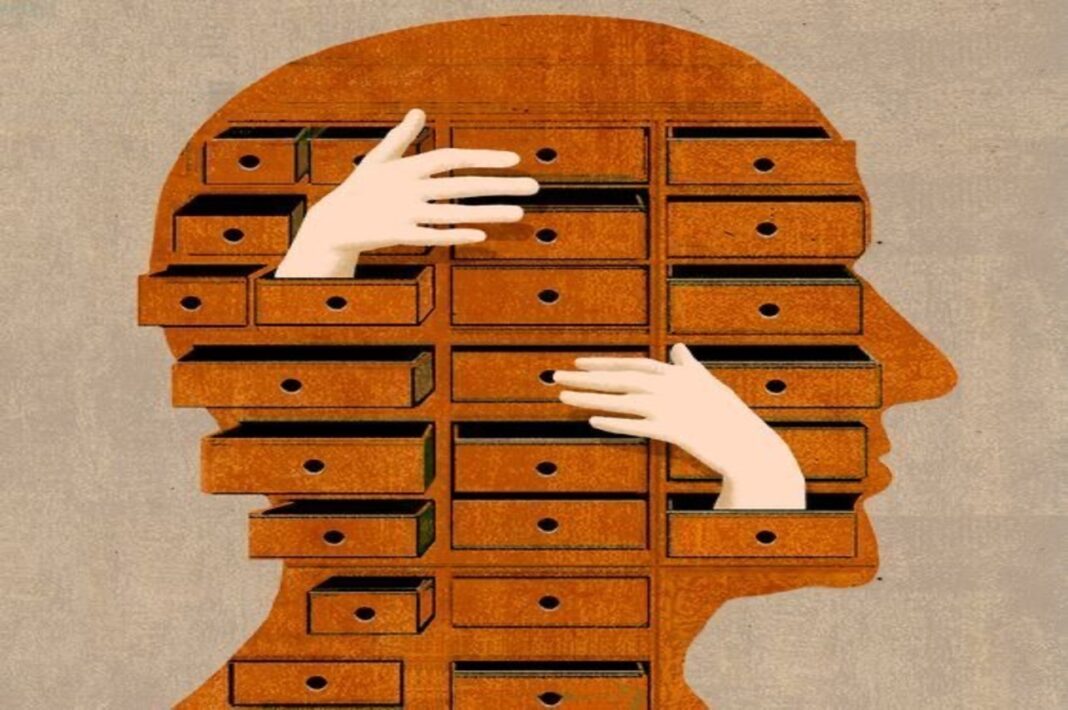

While people talk about memory, they often think of it as one ability. Someone could say they have a “good memory” or a “poor memory.” However, research shows that memory is not a single system. Instead, it is made up of different types of memory. Each of them has a different role and different brain areas involved. Understanding this is important because damage or illness in the brain can affect some types of memory while leaving others unchanged.
How Multiple Memory Systems Developed
Earlier theories of memory considered it as one general function. This view started to change through studies of people with brain injuries. One well-known case is patient H.M., who had surgery on parts of his temporal lobes. After the surgery, he could not form new memories of events or experiences.
Interestingly, H.M. could still learn new skills, such as motor tasks. However, he could not remember practicing them. This showed that different memory systems exist and that they can work independently from each other.
Declarative vs Non-Declarative Memory
Memory can be divided into two main types: declarative and non-declarative memory. Declarative memory refers to information that we can consciously remember and describe using words. It includes episodic memory, which is memory for personal experiences such as what you did yesterday. And there is semantic memory, which is memory for facts and general knowledge, such as knowing the meaning of a word or remembering a capital city. This type of memory relies mainly on the hippocampus and nearby areas of the temporal lobes, which are important for forming and recalling new memories.
Non-declarative memory refers to types of memory that operate without conscious awareness and do not require deliberate recall. This includes procedural memory, such as learning skills like riding a bike, as well as processes like priming and conditioning. These forms of memory depend on brain areas such as the basal ganglia and the cerebellum rather than the hippocampus.
Working Memory
Working memory allows us to hold information in mind for a short time and use it. For example, remembering a phone number long enough to dial it. Working memory is closely linked to attention and is mainly supported by the frontal lobes. A person can have good long-term memory but still struggle with working memory, especially if the frontal areas of the brain are affected. Working memory is different than long-term memory.
Evidence From Brain Disorders
Clinical conditions provide clear evidence that memory is not a single system because different disorders affect memory in different ways. In Alzheimer’s disease, episodic memory is often impaired early on, while the ability to learn skills can remain relatively preserved. In Parkinson’s disease, difficulties are more commonly seen in procedural learning and working memory. In depression, people frequently report memory problems, but these are often related to reduced attention and concentration rather than true memory loss. These distinct patterns across conditions show that memory cannot be explained as one single, uniform ability.
Conclusion
Memory is not one single ability. It is made up of several systems that work together but depend on different brain structures. Neuropsychology shows that these systems can be affected in different ways by brain injury or illness. Understanding memory in this way helps explain why people may struggle with certain types of memory but not others, and it is essential for accurate assessment and clinical care.