


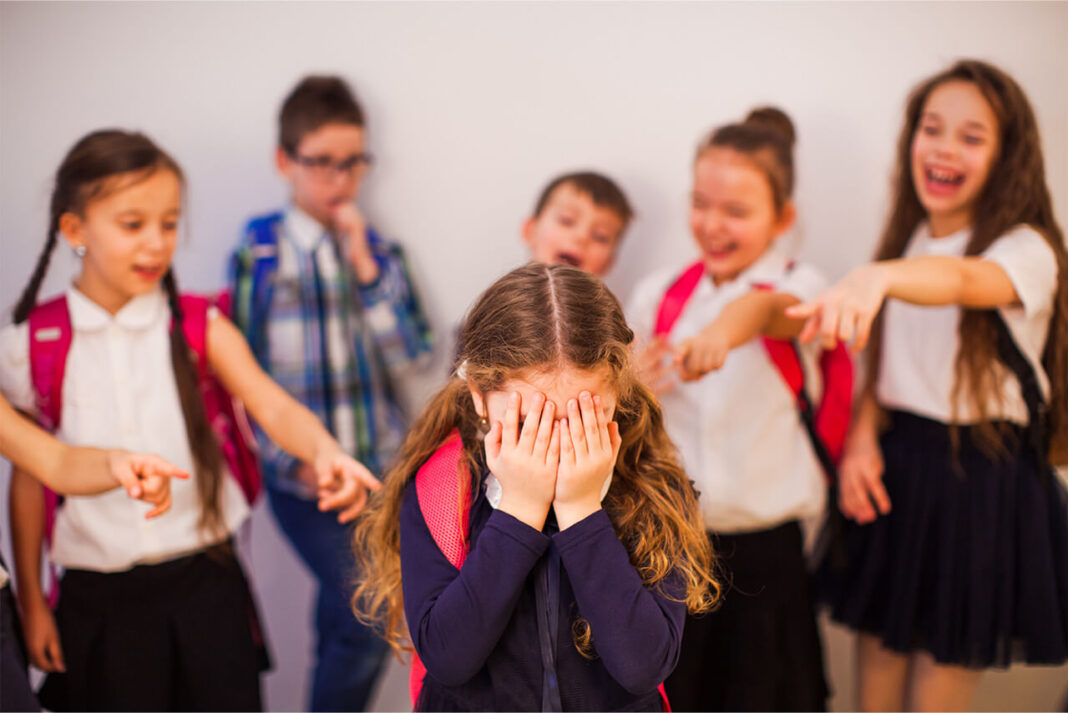

Bullying in childhood has been classified by the World Health Organization (WHO, 2020) as a major public health problem. Globally, one in three youngsters has experienced bullying, with significant geographical diversity in its incidence and forms. Bullying involves recurrent victimization within a power-imbalanced relationship and encompasses a variety of styles, frequencies, and aggressiveness levels, ranging from teasing and name-calling to physical, verbal, and social assault. Extensive research highlights a strong link between childhood or adolescent bullying and the development of mental health issues later in life, such as depression, anxiety, and suicidality.
Forms and Faces of Bullying
According to Armitage (2021), bullying can be categorized into three main types:
- Traditional bullying: Physical or verbal harassment.
- Sexual bullying: Inappropriate sexual comments or actions.
- Cyberbullying: Harassment through digital platforms.
Another classification divides bullying into six categories:
- Physical: Harmful behavior targeting the body.
- Verbal: Contempt, ridicule, or hurtful remarks.
- Cyberbullying: Offensive messages or actions online.
- Sexual: Sexually explicit words or inappropriate touching.
- Social: Spreading gossip, exclusion, or public embarrassment.
- Prejudice-based: Targeting individuals based on race, nationality, religion, or other identity factors.
Why Does Bullying Happen?
Several factors influence the likelihood of bullying, including:
- Sex differences
- Age differences
- Non-conformity to gender norms
- Physical appearance
- Physical and learning disabilities
- Race, nationality, or color
- Religion
- Socioeconomic status
- Migration status
- School environment
- Educational attainment
- Peer and family support
The impact of bullying varies based on its frequency, severity, type, the child’s role (victim, bully, or bully-victim), and the life stage when effects manifest (childhood, adolescence, or adulthood). Consequences of childhood bullying fall into three main categories:
- Educational setbacks
- Health problems during childhood
- Long-term effects into adulthood
The Lasting Impact of Bullying
Preventing bullying is critical for achieving the Sustainable Development Goals. Whole-school cooperative learning programs have shown the highest effectiveness in reducing bullying. However, primary and secondary healthcare systems often lack clear management and referral pathways for professionals supporting bullied children, despite the availability of specialized local and online support services.
Schools with safe and positive climates commonly implement explicit social and emotional learning (SEL) curricula. Training to develop a comprehensive SEL curriculum is an effective step toward creating secure, uplifting educational environments. Selecting an SEL program that specifically addresses bullying, cyberbullying, and prejudice-driven bullying (based on identity characteristics like race, language, or gender) is one of the most powerful ways to raise awareness and foster resilience.
Taking Action Against Bullying
Bullying remains widespread and profoundly impacts children’s lives, causing long-term harm. A child experiencing bullying often blames themselves and struggles to navigate adolescence—a vulnerable period—while carrying the wounds of their inner child. These children may feel isolated and hesitate to share their experiences due to fear, concerns about being belittled, or the belief that they won’t be understood. To combat bullying, the following interventions are essential:
- Family Involvement: Adopt an understanding attitude, spend time with the child, listen without judgment, and offer support without fostering fear, paranoia, or overcontrol.
- School-Based Solutions: Schools, as primary socialization spaces, should implement anonymous reporting systems to allow witnesses to report bullying incidents freely while maintaining confidentiality.
- Personal Development: Encourage children to develop self-compassion and self-awareness. Practicing stress-relief techniques and breathing exercises can help manage stress. Engaging in self-confidence-boosting activities strengthens resilience, as children with low self-esteem are more vulnerable to bullying.
- Therapy Support: Being open to professional therapy is crucial for addressing the emotional and psychological effects of bullying.
Conclusion
Bullying is a pervasive issue with far-reaching consequences, affecting children’s mental, emotional, and physical well-being. By fostering supportive family environments, implementing effective school policies, and encouraging personal growth and professional support, we can mitigate its impact. Creating safe, inclusive spaces where children feel valued and empowered is key to breaking the cycle of bullying and promoting healthier futures.