
The Ruins of the Soul: Trauma, Resilience, and Witnessing in Gaza

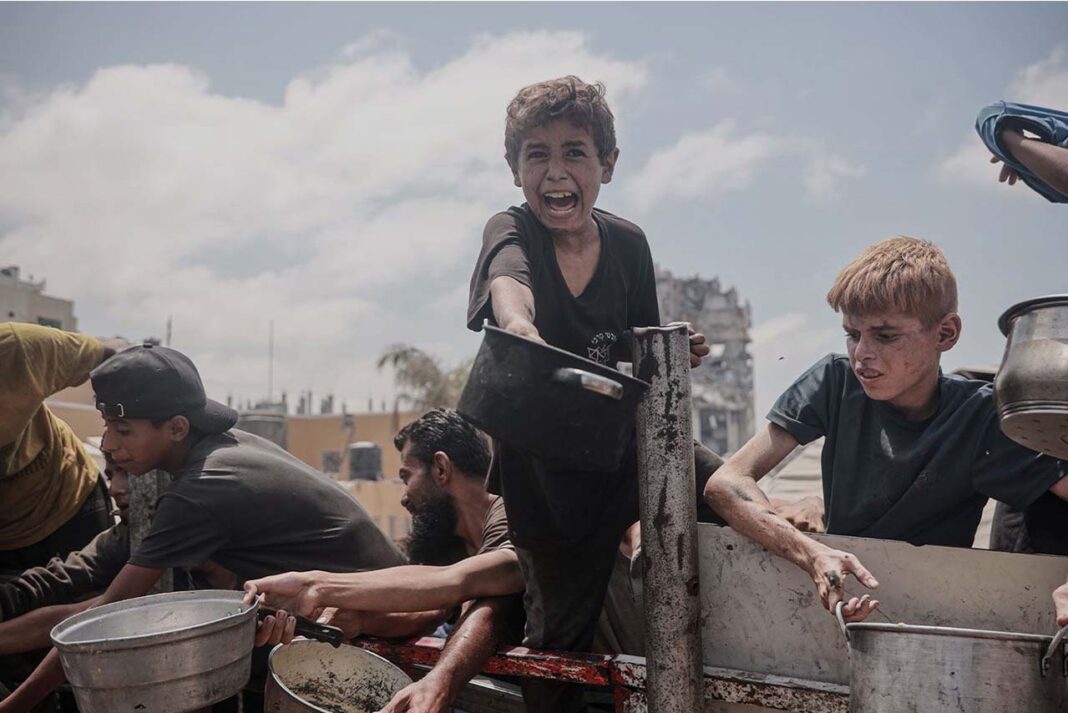
War is not only lived under bombings, at the barrels of guns, or through physical injuries. War also leaves deep marks on minds, emotions, and identities. The ongoing conflicts and cycle of violence in Gaza bring not only physical destruction but also profound and long-term psychological consequences. In a land ruled by trauma, the mental health of individuals and communities becomes inseparable from the struggle for survival. Psychology as a science offers vital insight into understanding the individual and collective dimensions of these traumatic experiences.
This article does not aim to recount the history of a war or take sides, but rather to discuss the emotional imprints left by war and to examine the psychological resilience mechanisms that can emerge even in the midst of such traumatic processes. By focusing on Gaza, this assessment aims to show that war is not just a political crisis but also a psychological conflict.
Psychological Impacts of War on Individuals and Society
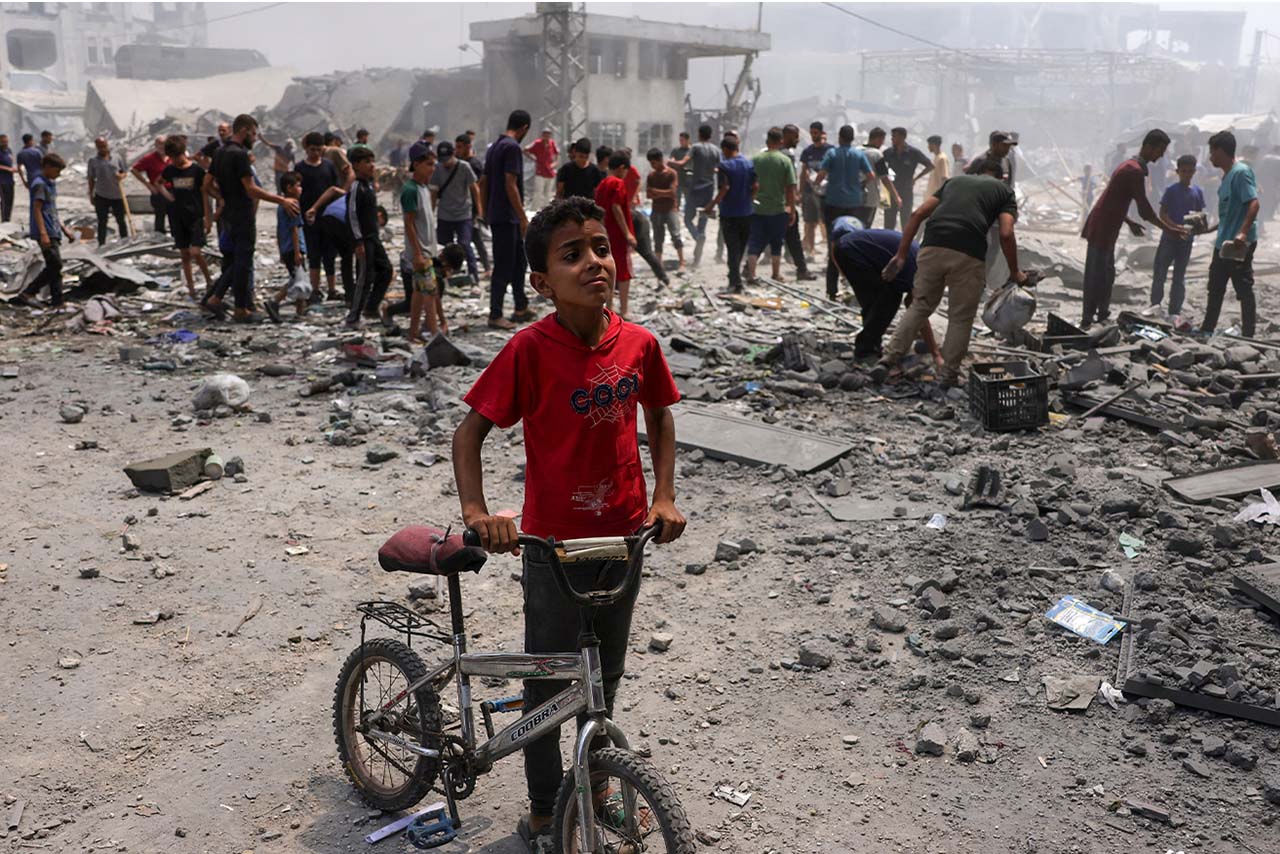
For individuals living in Gaza, simply staying alive each day is an achievement. However, this struggle for survival manifests in symptoms such as constant hypervigilance, post-traumatic stress disorder (PTSD), anxiety disorders, depression, and psychosomatic complaints. For children especially, war transforms playgrounds into graveyards, disrupting critical developmental areas such as secure attachment, emotional regulation, and identity formation.
Many individuals develop automatic coping mechanisms by suppressing their emotions in order to survive. This emotional numbness distances them from life and creates a normalized threshold of pain. This is frequently observed by many mental health professionals working in conflict zones. Living under constant threat keeps the nervous system in chronic stress mode, leading to mental exhaustion, sleep disorders, anger outbursts, and even suicidal thoughts.
The psychological effects of war extend beyond the individual. Entire social structures are shaken. Neighborly relations, social support networks, societal roles, and the sense of security take heavy blows. What is happening in Gaza is the epitome of collective trauma. People are forced to deal not only with their own pain but also with the pain of everyone around them. This gives rise to a state of collective mourning.
Areas like education, art, and daily life also fall under the shadow of trauma. A child going to school no longer thinks about math problems but rather the sound of bombs exploding. Social life gradually retreats inward, and areas of solidarity shrink. This can result in social isolation, collective helplessness, and widespread hopelessness.
However, it’s important to note: societies do not only suffer wounds—they also develop mechanisms of solidarity, unity, and collective healing. In Gaza, many families hold on to each other through community ties and religious faith. While the experiences are devastating and hard to repair, collective memory carries not only pain but also resilience and patience.
Mechanisms of Psychological Resilience
Psychological resilience refers to the ability of individuals to adapt to stressful or traumatic life events, maintain psychological integrity, and even grow stronger from adversity. Many people in Gaza rely not only on internal coping mechanisms but also on familial and communal support systems. Parents try to instill hope in their children, while young people redefine their identities by helping their communities. In this sense, resilience is not merely an individual strength but also a product of cultural and societal dynamics.
Post-Traumatic Growth
Each individual story in the aftermath of war bears the marks of psychological transformation. Some people view their trauma not just as a wound but also as an opportunity for inner growth. In psychology, this is referred to as “post-traumatic growth.”
For Palestinians, this growth is shaped through the search for meaning. Young people who establish aid networks in memory of lost loved ones, women who lead support groups, and teachers who continue to spread hope are all examples of this resilience.
As Viktor Frankl once said, “The meaning of life is defined by the meaning we assign to our suffering.” In Gaza, survival is possible not only through physical endurance but also through spiritual resistance.
Palestinian society is also defined by strong collective belonging, religious faith, and family structure. These foundations prevent individuals from becoming isolated or hopeless in the face of trauma. Islamic concepts like “sabr” (patience), “tawakkul” (trust in divine will), “shahada” (martyrdom), and “imtihan” (life as a test) offer spiritual support in making sense of pain. In Gaza, strong family bonds, community support, religious leaders, and traditional rituals are key sources that nourish individual resilience.
The Psychology of the Witness: Secondary Trauma
War does not only leave scars on those who live through it, but also on those who witness it. Through social media, news, and visual content, millions around the world who witness what’s happening in Gaza are psychologically affected—even if they are not physically present in the warzone. This phenomenon is known in psychology as secondary trauma.
In highly empathetic individuals, secondary trauma can manifest as sleep disturbances, persistent guilt, overwhelming anxiety, and a profound sense of helplessness. Repeated exposure to graphic violence throughout the day surpasses the mental boundaries of the observer, causing a form of emotional fatigue. The recurring thought of “I can’t do anything” may push the person into withdrawal and inaction. This response is especially common in today’s digital age, where witnessing is no longer limited to television—it now lives in the device we carry in our pocket, repeating itself endlessly.
Setting psychological boundaries, limiting digital exposure, and finding ways to contribute meaningfully are essential in protecting our own mental health.
Conclusion
The ongoing war in Gaza destroys not only buildings but also minds and souls. This article has aimed to explore the unseen impacts of war on individuals and society—trauma, psychological resilience, and the emotional toll of bearing witness. We’ve seen that war is not only fought with weapons but also felt deeply through emotions. Yet even within immense suffering, resilience, meaning, and solidarity can emerge.
The Palestinian people hold on not just to internal strength, but also to their faith, family ties, and cultural endurance. As distant observers, we are not just witnesses—we are also emotionally intertwined with this burden. That’s why it’s crucial to remain sensitive to the reality while also protecting our own psychological boundaries.
Sometimes, the greatest battle is to keep the soul intact—and the most powerful resistance is to keep feeling, hoping, and standing together.
References
Qouta, S., Punamäki, R. L., & El Sarraj, E. (2008). Child mental health in Gaza under siege. Clinical Child Psychology and Psychiatry, 13(3), 383–394. https://doi.org/10.1177/1359104508090603
Thabet, A. A., & Vostanis, P. (2005). Post-traumatic stress reactions in children of war. Journal of Child and Adolescent Mental Health, 17(1), 3–13. https://doi.org/10.2989/17280580509486591
Frankl, V. E. (2006). İnsanın Anlam Arayışı (Çev. C. Büyükdüvenci). Okuyanus Yayınları. (Orijinal eser 1946)
Tedeschi, R. G., & Calhoun, L. G. (2004). Posttraumatic growth: Conceptual foundations and empirical evidence. Psychological Inquiry, 15(1), 1–18.