


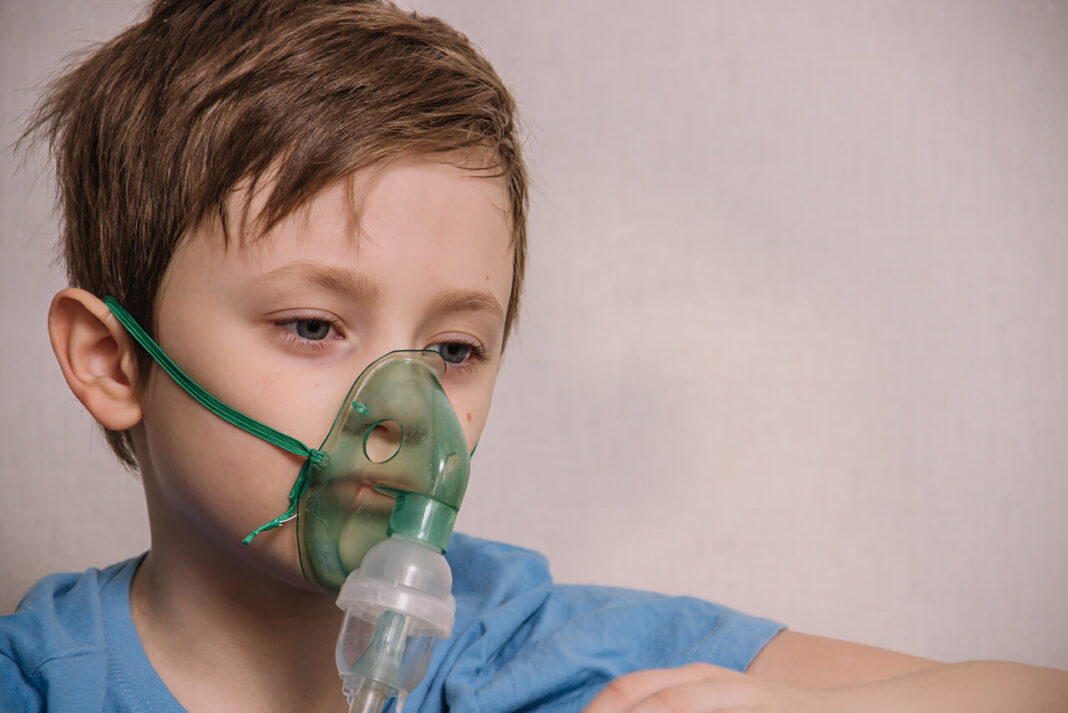

Life with a rare disease in children, for both young patients and their close family members, is filled with challenges that most people never experience. The uncertainty of the diagnostic process, the physical and emotional exhaustion caused by treatment access, and the lack of social awareness about rare diseases can turn this journey into an exhausting struggle—both physically and psychologically—for children and their families.
One of the most crucial aspects that must not be overlooked during this process is psychological resilience in rare disease families. Resilience is defined as the individual’s ability to maintain emotional balance and adapt despite experiencing stress, trauma, or challenging life events, preserving their psychological flexibility (Connor & Davidson, 2003).
While medical interventions aim to protect physical health, psychological resilience in children with chronic illness ensures that the journey remains sustainable and livable. The ability of individuals and families coping with rare diseases to hold on to hope, maintain emotional balance, and develop coping mechanisms plays a role that is just as critical as medical treatment.
At this point, psychosocial support for rare disease patients and families can become a powerful resource for both children and their caregivers. Knowing they are not alone, and that their emotional fluctuations are understandable and valid, can significantly strengthen one’s capacity to cope. Additionally, seeking psychological support from mental health professionals, participating in support groups for rare disease families, and engaging in public awareness activities can help both children and parents adapt to the process.
We must remember that psychological resilience in healthcare is not just about surviving difficult times—it’s also about finding meaning and developing new perspectives. For children and families living with rare diseases, a strong mental state and a supportive environment are inseparable parts of treatment. Therefore, every step taken in the field of healthcare should consider the child’s psychological well-being and approach the process with a holistic health perspective.
The Family Journey After Rare Disease Diagnosis
Receiving a rare disease diagnosis in children is an unexpected and traumatic experience for families. The initial uncertainty, the unknowns of the disease, and anxiety about its progression often become a major emotional burden for parents (Pelentsov et al., 2015). Since rare diseases are often diagnosed late and tend to be medically complex, families may encounter multiple challenges before reaching an accurate diagnosis.
Research shows that in difficult times, family psychological resilience is a critical protective factor. Resilience is not only about resisting trauma but also about finding meaning in adversity. Therefore, psychosocial support for parents of children with rare diseases directly affects the well-being of both the parents and the child. The emotional resilience of parents has a profound impact on the emotional and physical well-being of their children. The common phrase we hear on airplanes—“Put your own oxygen mask on before helping others”—highlights the importance of parental well-being. Thus, providing individual therapy, family counseling, and access to rare disease support communities allows parents and children to process their emotions and cope with the journey in a healthier way.
Parental Challenges and Coping Strategies
Parents often face multiple challenges during their child’s illness. One of the greatest difficulties is dealing with medical uncertainty. Questions like “What will happen?”, “What kind of future awaits my child?”, “Are the treatments working?” rarely have clear answers. This uncertainty frequently triggers anxiety. However, accessing reliable medical information and maintaining collaboration with healthcare providers can help reduce this ambiguity.
Another common source of stress is the disruption of daily routines. Regular hospital visits, treatments, medication schedules, and physical limitations brought on by the illness can significantly affect the family’s daily life.
Many parents also express concern about how other family members are affected. Each member experiences the medical process differently. One of the family’s greatest strengths during this time is the emotional support within the family unit. It is important that parents do not ignore their own emotional needs and openly share their feelings of fear, sadness, and anxiety with one another and seek help when necessary. This openness is vital for maintaining long-term psychological resilience.
Children’s Developmental and Social Needs
Children with rare diseases require support not only for their physical needs but also for their emotional development and social integration. The educational process can be a challenging adjustment for both children and their parents. Parents who wish to provide their children with the right education may sometimes feel overwhelmed. It is essential that a child’s educational needs are evaluated by a specialist, discussed with the family, and addressed by referring the child to the appropriate special education programs and professionals.
Important areas of focus include the child’s special education needs, peer interaction, school adaptation, self-care skills, and coping strategies for chronically ill children. A child’s adaptability improves with support from both families and professionals.
The Role of Family Communication
Open family communication during chronic illness is vital during this journey. Rather than excluding children from the process, informing them in age-appropriate ways creates a safe space for them to express their fears and concerns (Klass et al., 2017). If there are siblings in the family, it’s important to involve them in the process by explaining what is happening and what they can expect in a way that suits their developmental level. Keeping children in the dark or withholding information can lead to confusion and anxiety. Children may feel neglected or think they are not receiving enough affection. Some may even feel guilty for their illness. That’s why maintaining honest communication with children facing illness, and not isolating the child from the process, is crucial.
Raising Societal Awareness About Rare Diseases
Raising public awareness of rare diseases is one of the most important steps to ensure that families do not feel isolated within society (Anderson & Parent, 2007). Awareness campaigns conducted through health associations, NGOs, and social media platforms for rare disease awareness can strengthen both individual and collective solidarity.
Conclusion: Building a Holistic Future for Rare Disease Families
Children with rare diseases and their families experience not only a medical journey, but also a deep psychological and social struggle. In this journey, strengthening emotional resilience, accessing accurate medical and mental health information, seeking professional psychosocial help, and maintaining open family communication are essential pillars. We must remember that a child grows and becomes stronger not only through their own fight, but through the love, understanding, and support they receive from others.
Therefore, every step taken—at both the individual and societal level—forms the foundation for building a hopeful and inclusive future and directly contributes to improving quality of life for children with rare diseases and their families.