


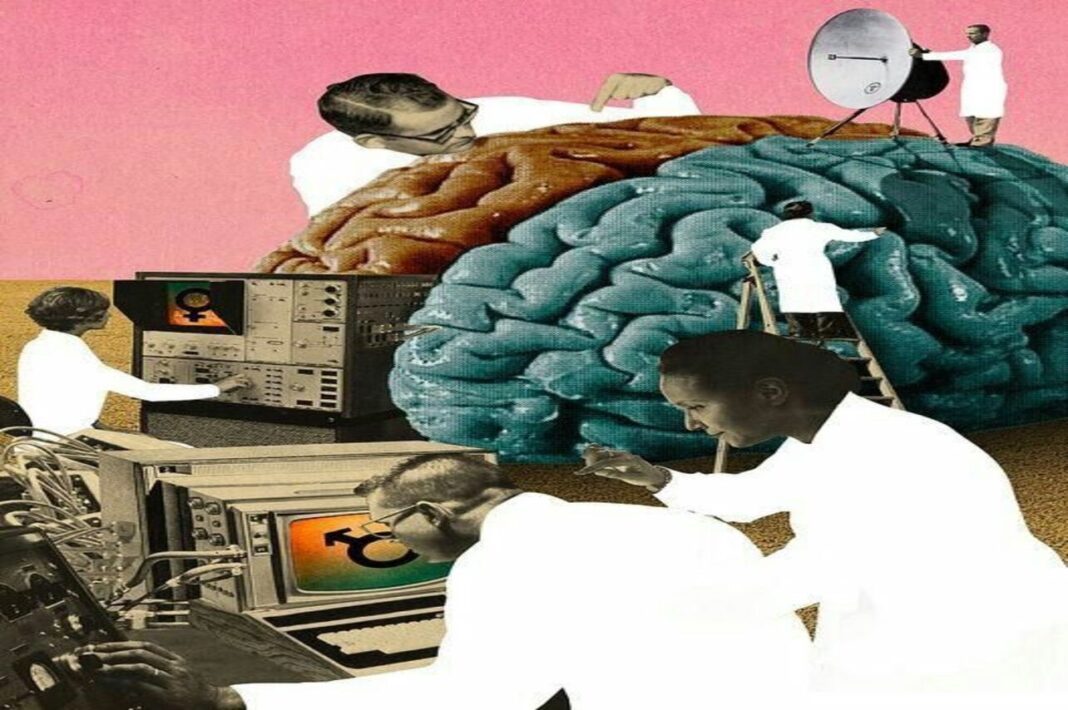

Therapeutic Change From A Neuroplasticity Perspective
Neuroplasticity refers to the brain’s capacity to undergo structural and functional changes in response to experiences across the lifespan. Contemporary research in neuroscience demonstrates that the brain is not a fixed entity; rather, it is continuously reorganized through learning, environmental stimuli, and emotional experiences. This capacity for change encompasses not only cognitive abilities but also emotional regulation processes and behavioral patterns.
At this point, an important question arises: Do neuroplastic changes in the brain occur solely through learning, physical activity, or biological interventions, or can a verbal and relational process such as psychotherapy also leave lasting traces in the brain? Recent studies indicate that psychotherapy is not limited to the reduction of psychological symptoms but also leads to measurable changes in brain functioning. These findings make it possible to conceptualize psychotherapy as an effective experiential context in which neuroplasticity is activated at a clinical level.
Psychotherapy As A Learning Experience
From a neuroplasticity perspective, psychotherapy can fundamentally be understood as an intensive and structured learning process. Throughout therapy, individuals learn to recognize maladaptive thought patterns, regulate their emotions, and restructure their behaviors in more functional ways. Repeated new experiences during this process lead to the strengthening or weakening of synaptic connections. According to Hebb’s principle, connections between neurons that are activated together become stronger over time.
In particular, psychological conditions such as chronic stress, trauma, and depression are known to sensitize neural networks associated with threat perception. Psychotherapy contributes to the regulation of these networks, enabling individuals to develop more flexible and balanced emotional responses.
Neurological Changes ın The Brain Following Psychotherapy
Functional neuroimaging studies reveal significant changes in specific brain regions following psychotherapy. These changes are especially prominent in areas associated with emotional processing and cognitive control. Research has shown reductions in amygdala activity, increased activation in the prefrontal cortex, and improvements in hippocampal functioning after the therapeutic process.
Decreased amygdala activity is thought to be associated with the regulation of anxiety and fear responses. In contrast, strengthened prefrontal cortex functioning enables individuals to regulate emotions more consciously and to engage in controlled behaviors rather than automatic reactions. Improvements in hippocampal functioning play a critical role in stress regulation and memory processes.
The Therapeutic Relationship and Neuroplasticity
The traces psychotherapy leaves in the brain are shaped not only by the techniques employed but also by the therapeutic relationship itself. A safe, consistent, and nonjudgmental therapeutic environment enhances the individual’s sense of safety within the nervous system. This is particularly significant for individuals with adverse early attachment experiences, as therapy provides a novel context for relational learning.
Attachment-based approaches suggest that the therapeutic relationship can induce neuroplastic changes in brain regions associated with attachment and reward systems. Therapy offers a corrective emotional experience that allows for the restructuring of previously established insecure relational patterns.
The Example Of Cognitive Behavioral Therapy
Cognitive Behavioral Therapy (CBT) is one of the psychotherapeutic approaches most frequently associated with neuroplasticity. The primary goal of CBT is to help individuals recognize automatic and dysfunctional thought patterns and replace them with more realistic and flexible cognitions. This process directly engages the brain’s capacity for learning and reorganization.
Neuroimaging studies have demonstrated strengthened connectivity between the prefrontal cortex and the amygdala following CBT. This finding suggests that individuals develop a more effective capacity for emotional regulation in the face of intense emotional responses.
Are The Effects Of Psychotherapy Lasting?
The durability of the traces psychotherapy leaves in the brain is closely related to the duration of therapy, the frequency of sessions, and the experiences individuals acquire outside of therapy. Neuroplasticity operates according to the principle of use: neural networks that are actively engaged are strengthened, whereas those that are not used weaken over time. Therefore, applying the skills acquired in therapy to daily life is critical for the long-term maintenance of neuroplastic changes.
Conclusion
Although psychotherapy appears to be a verbal process on the surface, a profound neurobiological transformation occurs in the background. By activating the brain’s capacity for self-reorganization, psychotherapy facilitates meaningful and lasting changes in individuals’ emotional, cognitive, and behavioral worlds. In this respect, psychotherapy is not only an intervention that supports psychological well-being but also a neuroplastic process that enhances the brain’s flexibility and adaptive capacity.
References
Beauregard, M. (2014). Functional neuroimaging studies of the effects of psychotherapy. Dialogues in Clinical Neuroscience, 16(1), 75–81. Doidge, N. (2007). The brain that changes itself. Viking. Kandel, E. R. (1998). A new intellectual framework for psychiatry. American Journal of Psychiatry, 155(4), 457–469. https://doi.org/10.1176/ajp.155.4.457 Kolb, B., & Gibb, R. (2011). Brain plasticity and behaviour in the developing brain. Journal of the Canadian Academy of Child and Adolescent Psychiatry, 20(4), 265–276. Linden, D. E. J. (2006). How psychotherapy changes the brain. Psychiatry, 5(11), 476–479. https://doi.org/10.1016/j.mppsy.2006.09.001