


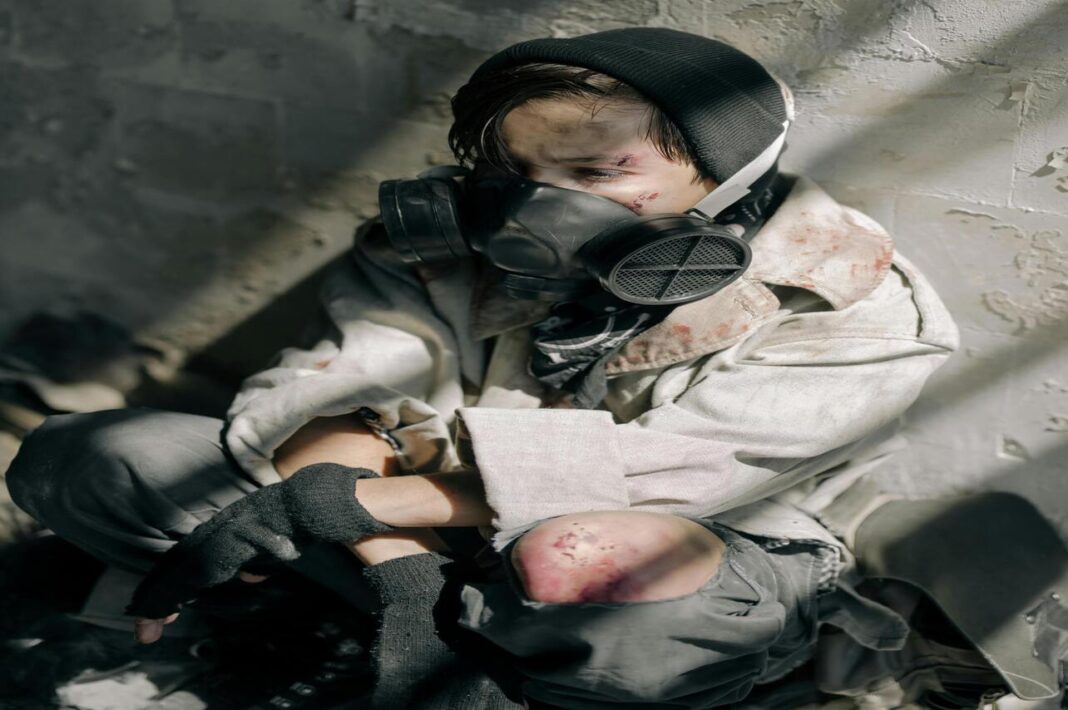

Throughout history, our world has witnessed—and continues to experience—numerous instances of mass trauma, such as wars, natural disasters, and terrorist attacks. In the face of such traumatic events, individuals may sustain both physical and psychological injuries. While physical wounds may heal, psychological damage requires significant time and profound patience for recovery. In devastating events like war, the affected society suffers severe damage both physiologically and psychologically. Yet, why is it that one individual might struggle to recover for years, while another—having faced similar experiences in the same environment—can resume their life as if nothing occurred? What accounts for this difference, and why are some of us mentally fragile while others exhibit remarkable strength?
We all experience various traumatic events and differing levels of stress throughout our lives. Psychological resilience is the ability of an individual to persevere despite adversities, hardships, stresses, and challenging life experiences, and to adapt rapidly to these difficult processes. Individuals with high psychological resilience can effectively cope with crisis situations and possess the vital skill of “getting back up from where they have fallen”. Even under extreme stress, these individuals do not collapse; they adapt swiftly to change and demonstrate a high capacity for self-recovery following disasters (Şahin & Buzlu, 2019; Tümlü, 2012; Wagnild & Young, 1993; Garmezy, 1991). Consequently, the responses of resilient individuals to traumatic experiences often differ significantly from expectations; they are able to continue their lives where others might easily succumb. What, then, is the secret of these individuals? In their research, Hobfoll and colleagues (2007) sought to answer how we can rebuild our psychological resilience after a traumatic event, ultimately identifying a five-stage scientific survival compass.
1. Establishing A Sense Of Safety
The primary inquiry following a disaster is, “Am I safe right now?” For an individual to recover biologically and psychologically, a secure environment is paramount. Survivors of traumatic events may experience a sense of persistence of the event; therefore, establishing a safe zone is vital to ground individuals in the present moment. While a diminished sense of safety is common among those from conflict zones, research indicates that individuals never exposed to direct warfare but subjected to continuous traumatic imagery on screens also exhibit a significantly weakened perception of safety, which exacerbates their symptoms.
2. Calming (Down-Regulation)
Periods of mass trauma are characterized by impaired decision-making, heightened emotionality, and the paralysis of basic needs such as sleep and nutrition. If individuals remain in a state of hyper-arousal for extended periods due to trauma, the probability of developing Post-Traumatic Stress Disorder (PTSD) increases substantially. Consequently, achieving a state of calm and mitigating hyper-arousal is critical. Utilizing calming techniques—such as soothing music, diaphragm breathing, and mindfulness techniques—assists individuals in regaining control over their physiological arousal levels.
3. Re-Strengthening Self-Efficacy And Collective Efficacy
Survivors and communities often perceive a total loss of control following traumatic experiences. Individuals may feel incapable of managing their problems as they once did, leading to weakened self-efficacy—the belief in one’s own capabilities. This phenomenon is mirrored at the societal level, where the collective belief in overcoming adversity falters. Hobfoll et al. (2007) suggest that to bolster these weakened states, victims should be encouraged to participate in decision-making processes and communal rituals (such as funerals, memorial services, mutual aid, volunteering, or returning to school/work) to reclaim their sense of efficacy.
4. Social Connections: Resisting Isolation
As social beings, humans typically rely on others for support during the healing process. Social support is a potent protective factor that mitigates post-traumatic stress and enhances psychological resilience. While continuous discourse regarding the trauma can lead to secondary traumatization for both the survivor and the listener, balanced and secure sharing—reconnecting with friends, family, and loved ones—has a profound restorative effect.
5. Cultivating Hope And Reconnecting With The Future
Following traumatic experiences, individuals often undergo a profound erosion of their foundational beliefs regarding justice, security, and faith. A fragmented worldview emerges because survivors frequently engage in catastrophizing, persistently constructing worst-case scenarios for the future. Rather than succumbing to these cognitive distortions, focusing on positive objectives, maintaining an optimistic outlook, and performing realistic risk assessments bolster psychological resilience and shield the individual from the deleterious effects of trauma. It is imperative for influential societal figures, leaders, and the media to pivot their focus from the trauma itself toward narratives of resilience. Hearing motivational stories that restore faith in the future serves as a critical instrument for reintegrating survivors into life.
Conclusion: Psychological Resilience Can Be Enhanced
By adhering to these five principles, individuals can mitigate the impacts of trauma and strengthen their psychological resilience. Following these five foundational stages serves as a protective roadmap, guiding individuals from darkness toward light in the aftermath of mass traumas, such as warfare or natural disasters.
References
-
Garmezy, N. (1991). Resiliency and vulnerability to adverse developmental outcomes associated with poverty. American Behavioral Scientist, 34(4), 416-430.
-
Hobfoll, S. E., Watson, P., Bell, C. C., Bryant, R. A., Brymer, M. J., Friedman, M. J., … & Ursano, R. J. (2007). Five essential elements of immediate and mid–term mass trauma intervention: Empirical evidence. Psychiatry: Interpersonal and Biological Processes, 70(4), 283-315. https://doi.org/10.1521/psyc.2007.70.4.283
-
Şahin, G., & Buzlu, S. (2019). Resilient student resilient profession: The importance of resilience in nursing students. Journal of Academic Research in Nursing.
-
Tümlü, G. Ü. (2012). Investigation of contact barriers in university students with different levels of psychological resilience [Unpublished master’s thesis]. Hacettepe University, Ankara.
-
Wagnild, G. M., & Young, H. M. (1993). Development and psychometric properties of the Resilience Scale. Journal of Nursing Measurement, 1(2), 165-178.