



In today’s world, digital platforms significantly influence how we shape and express our identities. Online spaces such as social media, gaming platforms, forums, and professional networks allow individuals to create and manage different identities. However, our online identities do not always align perfectly with our real-life personalities. So, how do our online identities change who we truly are?
This article explores the impact of digital environments on our identity and the psychological aspects of these transformations.
1. Differences Between Online and Real-Life Identity
Who we are in real life is shaped by our social relationships, family, friends, and personal experiences. However, in the online world, we have more control over how we present ourselves.
📌 Key Differences Between Online and Real-Life Identity:
🔹 Selective Presentation: People decide how they want to appear online. Negative experiences are often left out, while only the best moments are shared.
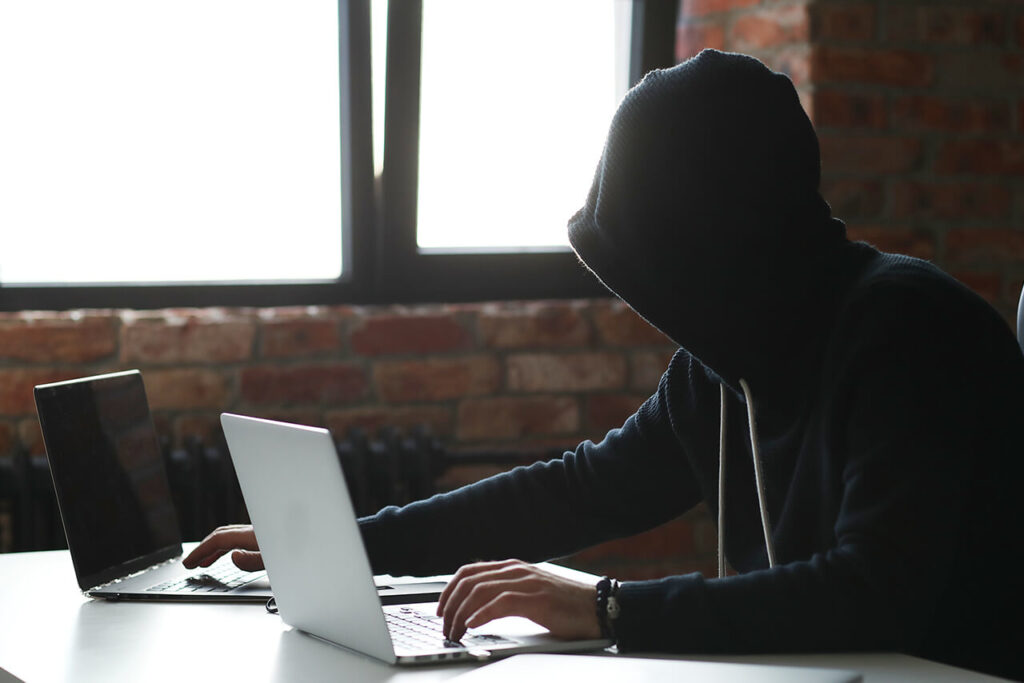
🔹 Anonymity: The internet provides users with anonymity and privacy, which can lead to bolder or even more aggressive behavior.
🔹 Curated Identity: While real-life interactions are spontaneous, online content is carefully crafted, edited, and filtered before being shared.
📌 Conclusion:
Our online identities may reflect our true selves, but because we can shape and modify them, they often represent a curated version rather than an exact replica of our real-life personality.
2. Digital Environment and Identity Construction: Psychological Effects
a) Ideal Self-Perception on Social Media
📌 How Does It Work?
On social media platforms, users often showcase their best versions of themselves.
Filters, edited photos, and carefully selected content can make individuals appear better than they truly are.
Instead of their real identity, the ideal self-perception takes center stage.
📌 Psychological Consequences:
Individuals may feel pressured to align with the personality they portray online.
This can create a conflict between their real-life identity and their digital persona.
b) Anonymity and Digital Courage
📌 How Does It Work?
Being anonymous on online platforms allows people to behave more freely and boldly.
When anonymous, individuals can say things they wouldn’t in real life or adopt a different persona.
📌 Psychological Consequences:
Some users may adopt an aggressive and confrontational tone due to their anonymous identity (troll culture).
Others may use anonymity to express themselves more openly and authentically.
⚠ Risk:
If a person constantly behaves as someone different online, this can start to influence their real-life personality over time.
c) Social Comparison on Digital Platforms
Social media and other digital environments can lead individuals to compare themselves with others.
📌 How Does It Work?
As users see the seemingly perfect lives of others, they may feel inadequate.
Social media can cause individuals to measure their self-worth through likes, followers, and comments.
📌 Psychological Consequences:
There is an increased risk of losing self-confidence and developing depression.
Feelings of dissatisfaction in real-life social relationships may occur.
✅ Solution:
It is important to accept that what we see in the digital world does not always reflect reality.

3. How Online Identities Are Changing Our Personalities
a) The Impact of Online Behaviors on Real-Life Personality
Spending prolonged time in online environments can have direct effects on an individual’s personality.
📌 Effects:
- Becoming more extroverted or introverted: Individuals who constantly post on social media may develop a greater desire for attention over time.
- Changes in emotional responses: Receiving negative comments online can affect an individual’s mood and lower their self-confidence.
- Questioning real-life identity: Those who behave differently online may try to adapt their real-life identity to match this new persona.
4. Ways to Use Digital Identity Consciously
📌 To prevent our digital identity from negatively impacting our true personality:
✅ Maintain a Balance Between Real and Online Identity:
Reflect yourself truthfully online, avoiding fake identities.
✅ Consciously Manage Your Social Media Usage:
Don’t measure your personal value based on likes and followers.
✅ Strengthen Real-Life Relationships:
Focus on building genuine social connections rather than virtual ones.
✅ Analyze the Psychological Impact of Your Digital Self:
Observe how you behave online and how these behaviors reflect in your real-life attitudes.
Conclusion: How Digital Identities Shape Us
Our online identities have the power to alter our true personalities. While social media and digital platforms allow individuals to present themselves in various ways, they can also influence how our personality is shaped in real life.
📌 In Summary: ✔ Online identities are powerful tools for self-expression.
✔ However, it’s important to ensure there is not a significant gap between our real self and digital persona.
✔ Conscious social media usage can help create an identity that aligns with real life.
Remember, while being present online is important, your real-life identity is your most valuable aspect! 🚀